






The Soda Fountain Gets a Gut Check
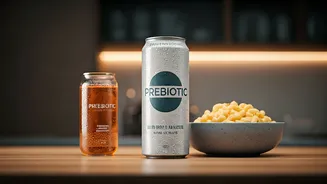
For decades, the choice in the soda aisle was about brand loyalty and sugar content: regular or diet? But a new generation of beverage companies decided to ask a better question: what if soda could actually be good for you? This is the thinking behind
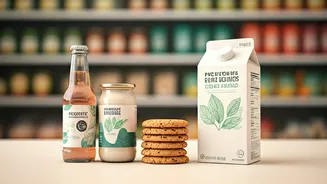
brands like Olipop and Poppi, which are dominating social media feeds and grocery carts. They’ve resurrected classic soda fountain flavors—root beer, vintage cola, cherry limeade—but rebuilt them from the ground up. Instead of a high-fructose corn syrup bomb, you get a can filled with prebiotics, plant fiber, and botanical extracts, with only a fraction of the sugar. The “smart upgrade” here is twofold. First, they deliver the nostalgic flavor profile we crave without the subsequent sugar crash. Second, they introduce “functional” benefits, specifically for gut health. It’s a masterful move, transforming a guilty pleasure into a wellness-adjacent choice without sacrificing the simple joy of a bubbly, flavorful drink.
Mac and Cheese Grows Up
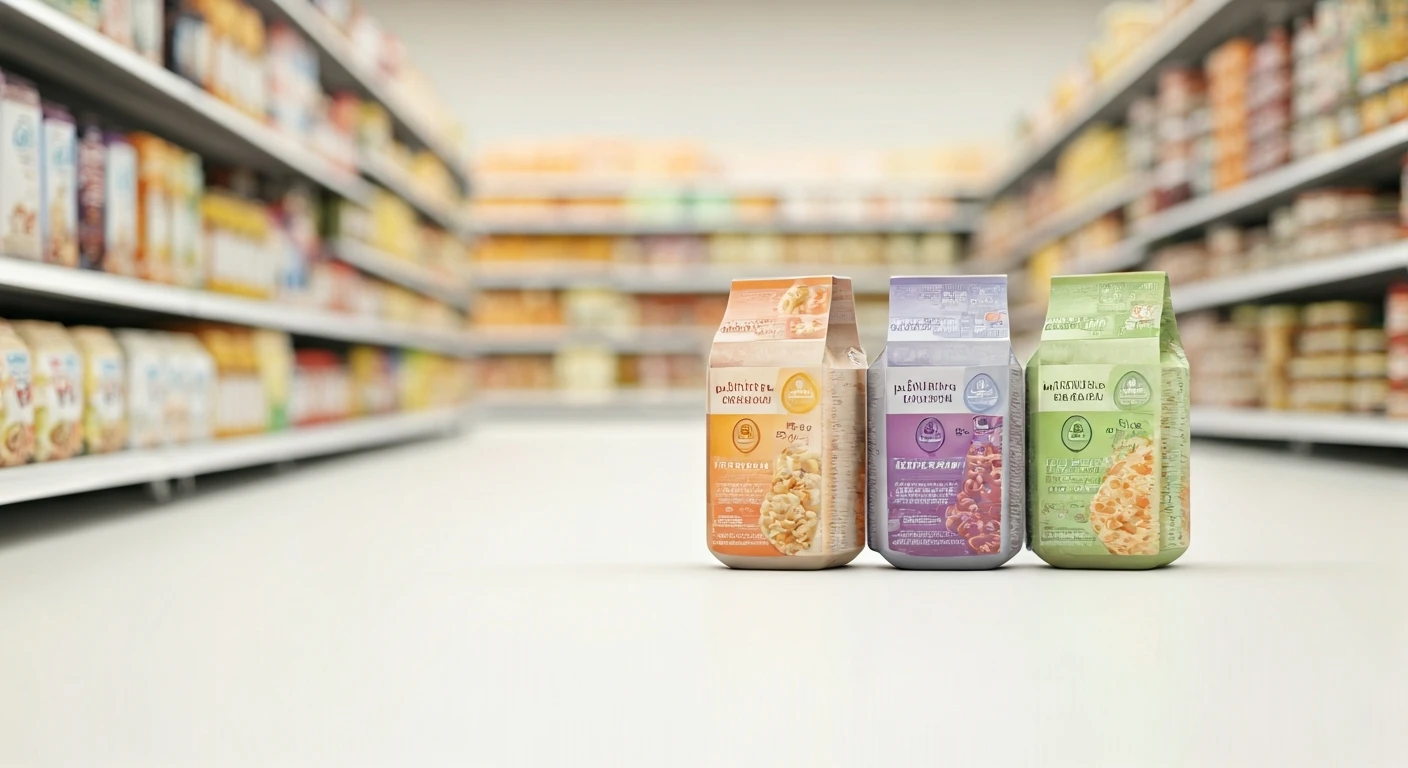
Arguably the king of American comfort foods, mac and cheese has remained largely unchanged for generations: pasta, cheese sauce, and a sense of deep satisfaction. But its modern upgrade is happening on multiple fronts. For the health-conscious, the pasta itself has been re-engineered. Brands like Banza and Modern Table are using chickpeas or lentils to create high-protein, high-fiber versions that keep you full longer and offer a more robust nutritional profile. The taste and texture are surprisingly close to the original, making it an easy swap. Simultaneously, the vegan food revolution has finally cracked the code on creamy, cheesy, dairy-free sauces. Using clever combinations of cashews, nutritional yeast, potatoes, and vegetable starches, brands are delivering plant-based mac and cheese that isn't just a sad substitute but a delicious dish in its own right. This isn't just about dietary restrictions; it's about expanding the very definition of a classic.
Your Morning Coffee, Now with Benefits
The ritual of a morning cup of coffee is sacred for millions. It’s a signal to the brain and body that it’s time to start the day. The traditional upgrade was simple: a shot of flavored syrup or a different roast. The new, smarter upgrade is about hacking your biology. Welcome to the world of “functional coffee,” where your daily brew is infused with ingredients to enhance its effects or mitigate its downsides. The most popular additions are adaptogens—herbs and mushrooms that are believed to help the body manage stress. Brands like Four Sigmatic are adding Lion's Mane mushroom extract for focus or Ashwagandha for a sense of calm to counteract caffeine jitters. Others are adding L-theanine, an amino acid found in green tea, to promote a state of “calm alertness.” It’s the ultimate life hack: you get the energy boost you rely on, but with an added layer of cognitive support. The flavor of coffee remains the familiar, comforting anchor, but the experience is subtly and intelligently refined.
The Quest for Deeper Flavor
The smartest upgrade of all might be the most subtle: a deeper, more widespread appreciation for umami. Often described as the “fifth taste,” umami is the savory, meaty, complex flavor found in everything from aged parmesan to soy sauce. Chefs have known about it for years, but it’s now becoming a key tool for home cooks and food producers. The upgrade is in finding new ways to inject this satisfying depth into familiar foods without relying on salt or fat. Think of mushroom-based seasonings that can be sprinkled on everything from popcorn to pasta, delivering a rich, bacon-like savoriness. Consider the rise of nutritional yeast for its cheesy, nutty flavor in vegan dishes. Or look at the boom in fermented products like miso and gochujang, which are now being used in everything from salad dressings to marinades for chicken. This isn't about changing the dish, but about amplifying its best qualities, making every bite more satisfying and memorable.