




The Soaking-Wet Reality of Denim
Let’s be honest about cotton, the fabric that makes denim what it is. It’s a natural fiber known for its softness and breathability—in perfect, dry conditions. But the moment moisture enters the equation, its greatest weakness is exposed. Cotton is incredibly
absorbent, capable of holding up to 27 times its own weight in water. When your jeans get wet, they don’t just get damp; they become a waterlogged anchor. The fabric clings to your skin, feeling cold and clammy. Worse, it takes forever to dry. A pair of soaked jeans thrown over a chair can still be damp the next morning, creating a musty smell and leaving you without your go-to pants. This isn’t just an inconvenience during a rainstorm; it’s a problem when you sweat, when you spill a drink, or anytime you’re in a humid environment. The “denim disaster” isn’t a rare event; it’s the predictable outcome of wearing a fabric fundamentally unsuited for moisture.
The Undeniable Magic of Quick-Dry
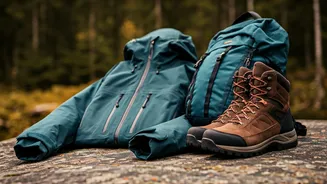
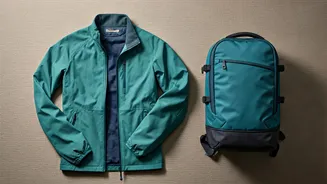
In contrast, quick-dry clothing operates on a completely different principle. These garments are typically made from synthetic fibers like polyester and nylon, or advanced natural fibers like merino wool. Instead of absorbing moisture, these materials are hydrophobic—they repel water. When they do get wet, the water sits on the surface of the fibers or gets trapped between them, rather than soaking in. This process, known as wicking, actively pulls moisture away from your skin and spreads it across the fabric’s surface to evaporate rapidly. The difference is staggering. A pair of quick-dry travel pants can go from drenched to merely damp in minutes and can be completely dry in an hour or two, even without direct sun. They stay lightweight when wet and never give you that cold, clingy feeling. This isn't just for serious hikers; it's for anyone who commutes, travels, or simply wants to be prepared for an unpredictable day.
Beyond the Rain: Travel and Versatility
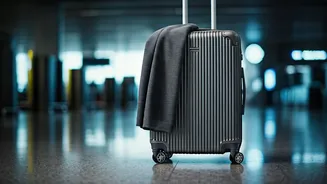
The argument for quick-dry extends far beyond weather. Consider the modern traveler trying to pack light. A single pair of jeans can take up a significant amount of space and weight in a suitcase. Packing two is a serious commitment. Quick-dry pants, on the other hand, are exceptionally lightweight and pack down to a fraction of the size. This advantage becomes even clearer when you need to do laundry on the road. You can wash a pair of technical pants in a hotel sink in the evening, and they’ll almost certainly be dry and ready to wear by morning. Try that with jeans, and you’ll be packing a damp, heavy mess. This versatility also applies to daily life. A good pair of modern performance pants can handle a bike ride to work, a walk in the park, and a casual dinner without you feeling sweaty or restricted. Denim, with its limited stretch and poor moisture management, is a one-trick pony by comparison.
But What About Style?
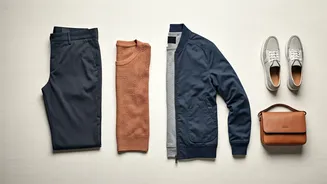
The classic defense of denim is its timeless style. For decades, performance wear was associated with shapeless, crinkly cargo pants in unfortunate shades of beige. This is no longer the case. Brands like Lululemon, Vuori, and even outdoor-focused companies like Patagonia and Arc'teryx now produce pants that blend technical performance with sharp, modern tailoring. You can find quick-dry pants in slim, athletic, and classic cuts that look virtually indistinguishable from a stylish pair of chinos or five-pocket pants. They come in versatile colors like black, navy, and olive that pair just as easily with a t-shirt or a button-down. The aesthetic gap has closed. You no longer have to choose between looking good and feeling comfortable and prepared. The best modern quick-dry pants offer the style of your favorite casual trousers with the hidden superpower of technical fabric.