





First, What Exactly Are Adaptogens?
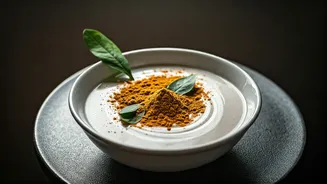
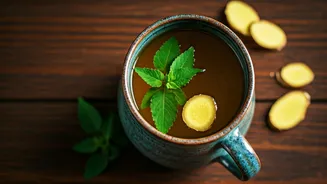
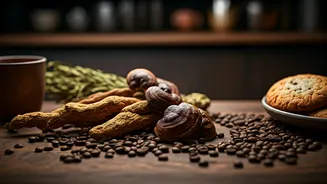
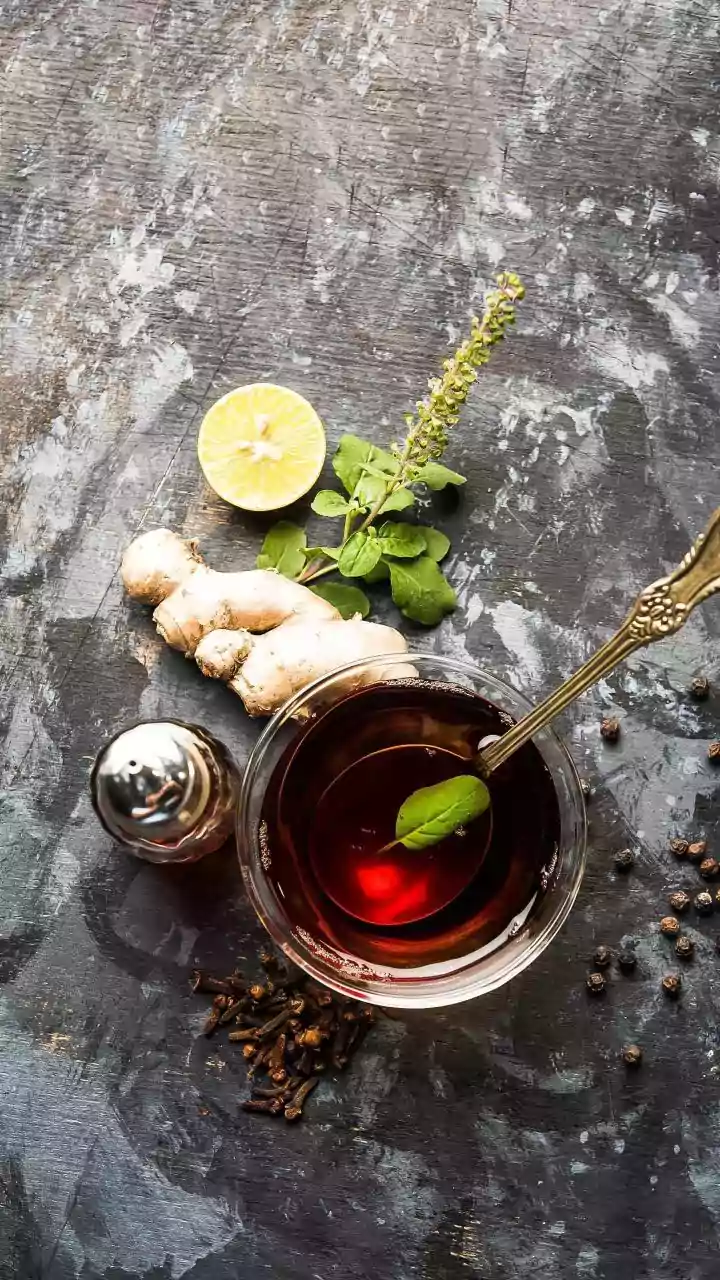
Let’s get the definition straight. Adaptogens are a class of plants and mushrooms—like ashwagandha, reishi, rhodiola, and holy basil—that proponents claim help the body “adapt” to physical, chemical, and biological stress. The core idea is that they support
your adrenal system and help modulate your stress response, preventing you from getting too high or too low. Think of them as a thermostat for your body’s stress hormones. These herbs aren't new; many have been staples in Traditional Chinese Medicine and Indian Ayurveda for centuries. What *is* new is their migration from niche herbalist shops into the mainstream American pantry. The term itself was coined by a Soviet scientist in the 1940s who was looking for substances to help soldiers fight off fatigue and increase stamina. Now, that same search for resilience has found a new, much broader audience: us.
The Burnout Economy’s Favorite Ingredient
So, why now? Adaptogens are the perfect antidote for the modern condition. We live in a culture of chronic stress, digital overload, and perpetual burnout. In a world where “self-care” has become a necessary survival tactic, adaptogens offer a compelling promise: a natural, ingestible solution to help you cope. They feel more holistic than a third cup of coffee and less clinical than a prescription.
This demand has fueled a booming market, projected to be worth over $20 billion. Brands have been quick to capitalize on this, marketing adaptogens not just as supplements but as lifestyle enhancers. They tap into a deep-seated desire for control over our health. When everything feels chaotic, adding a spoonful of ashwagandha to your smoothie can feel like a small, empowering act of self-regulation.
From Tincture to 'Functional' Brownie
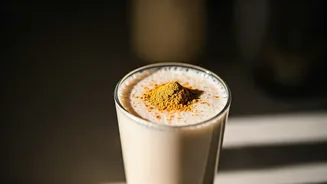
The real genius of the adaptogen trend is its seamless integration into things we already love. A decade ago, you’d have to seek out these herbs in a tincture or capsule form. Today, they’re baked into cookies, blended into coffee, mixed into granola, and infused into sparkling water. This is the “functional food” revolution.
By embedding these herbs in familiar treats, brands have lowered the barrier to entry. You don’t have to become an herbalist; you just have to buy a different kind of snack bar. This transformation also makes wellness highly photogenic. An “anxiety-reducing” mushroom hot chocolate is far more compelling on social media than a boring old pill. Every meal or snack becomes an opportunity to signal your commitment to health—turning your plate into a piece of wellness content.
But Do They Actually Work?
This is the billion-dollar question. The answer is… complicated. There is some promising research on certain adaptogens. For example, some studies suggest ashwagandha may help reduce cortisol levels, and rhodiola may combat fatigue. However, many of these studies are small, short-term, or conducted on animals. The robust, large-scale human clinical trials needed for FDA approval as a medical treatment are largely absent.
Furthermore, the dosage matters. The sprinkle of reishi mushroom in your commercially prepared cookie is likely far less than the amount used in a clinical study. Experts often point out that the benefits many people feel could be attributed to the placebo effect—if you believe something will make you feel less stressed, it just might. Or, the simple act of doing something positive for your health, like making a smoothie, is a wellness ritual in itself. The herbs are just an added, and perhaps marketable, bonus.