

The Original Street-Side Sensation
Before we get to the reinvention, let’s talk about the originals, which are perfect as they are. Dahi Puri and Bhel Puri belong to a beloved category of Indian snacks called ‘chaat,’ a word that essentially means ‘to lick’—a testament to how craveable
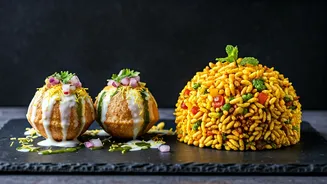
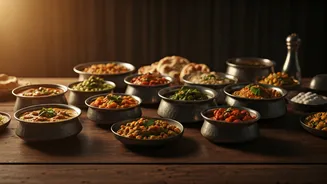
they are. Traditionally, you’d find them at bustling street-side stalls in Mumbai, Delhi, and beyond. Bhel Puri is a heap of puffed rice and ‘sev’ (crispy chickpea flour noodles), tossed with diced potatoes, onions, and a trio of chutneys: tangy tamarind, spicy cilantro-mint, and sometimes a sweet date sauce. It’s a textural marvel—light, crunchy, and saucy all at once, served in a paper cone and meant to be eaten immediately before it gets soggy. Dahi Puri is its cooler cousin. Small, hollow, crispy spheres (‘puri’) are gently cracked open and filled with potatoes, chickpeas, and then drenched in chilled, sweetened yogurt (‘dahi’), more chutneys, and a sprinkle of spices. Each one is a self-contained explosion of cold, creamy, tangy, and crunchy.
So, What's the 'Vibe Treatment'?
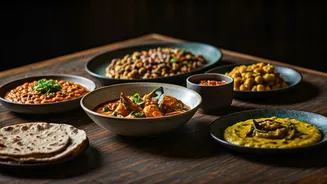
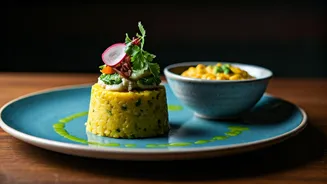
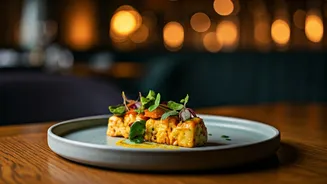
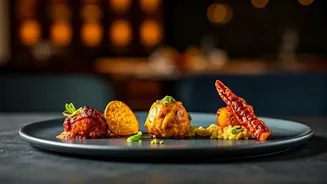
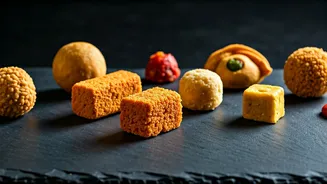
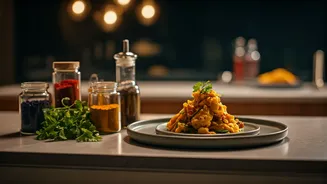
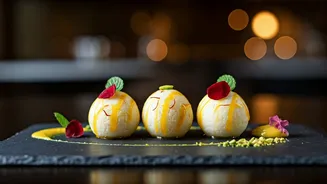
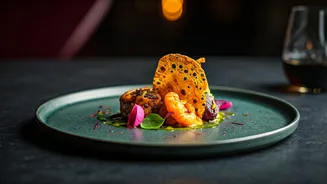
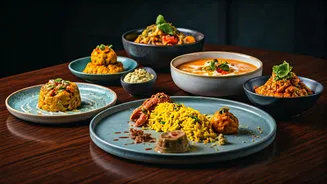
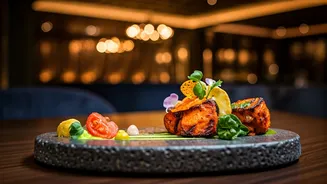
The “vibe treatment” is about taking this beloved, chaotic street food experience and refining it through a modern lens. It’s less about changing the soul of the dish and more about upgrading its presentation, context, and sometimes, its ingredients. This isn't your uncle’s all-you-can-eat lunch buffet. We’re talking about thoughtful, intentional cooking that puts chaat on a pedestal formerly reserved for European appetizers. In some modern Indian restaurants in cities like New York and Los Angeles, this might mean deconstruction. Imagine Bhel Puri elements layered artfully in a glass, separating the textures until you mix them yourself. Or Dahi Puri where the yogurt is turned into a delicate foam and the puri shells are made in-house with artisanal flour. Other chefs are elevating the ingredients themselves—swapping standard potatoes for sweet potatoes, adding a sprinkle of pomegranate seeds for a jewel-like finish, or even incorporating trendy American ingredients like avocado into the mix. The ‘vibe’ also extends to the setting: trendy, dimly lit restaurants with curated playlists, where a plate of chaat is paired not with a cutting chai, but with a craft cocktail infused with cardamom or saffron.
From Street Cart to Tasting Menu
This trend is being driven by a new generation of Indian-American chefs who grew up between two worlds. They have a deep reverence for the flavors of their heritage but also the formal training and creative ambition honed in American culinary schools and kitchens. For them, this isn't about “westernizing” Indian food. It’s about reclaiming it and presenting it with the same level of artistry and respect given to French or Japanese cuisine. These chefs are challenging the long-held American perception of Indian food as cheap, heavy, and homogenous. By focusing on specific regional dishes like Bhel Puri (which hails from Mumbai) and giving them a sophisticated platform, they are educating diners on the vast diversity of Indian cuisine. Restaurants like Dhamaka and Semma in New York, for example, have earned Michelin stars by focusing on hyper-regional, uncompromisingly authentic Indian food, presented in a context that American diners recognize as ‘fine dining.’ This success has paved the way for more playful, creative interpretations of street food classics.
More Than Just a Pretty Plate
It’s easy to be cynical and dismiss this as another instance of food gentrification solely for Instagram. And in some cases, a pretty plate might be all it is. But at its best, this movement is a powerful cultural statement. It’s a declaration that the complex, explosive flavors of a roadside snack are worthy of a $20 price tag and a spot on a tasting menu—if the creativity and quality are there to back it up. This evolution signals Indian cuisine's confident arrival in the American mainstream. It’s no longer just catering to the diaspora or being watered down for a perceived Western palate. Instead, it’s being presented proudly, on its own terms, by chefs who are both insiders and outsiders. They understand the tradition intimately enough to know which rules to break, resulting in dishes that feel both nostalgic and thrillingly new.