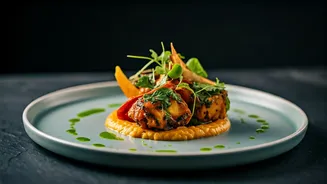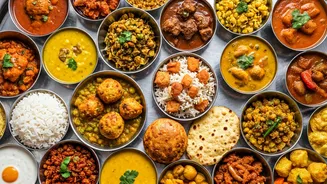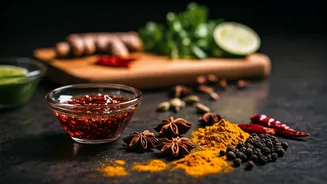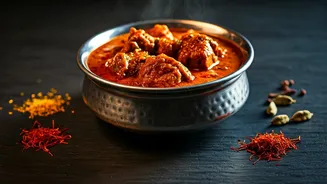



So, What Exactly Is 'Chatpata'?
If your understanding of Indian food stops at creamy curries and naan, get ready for a delicious awakening. 'Chatpata' isn't a single dish or ingredient; it's a flavor philosophy. The Hindi word loosely translates to 'lip-smacking' or 'piquant' and describes
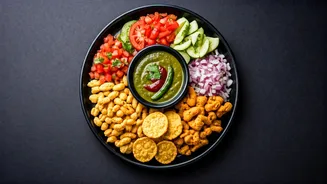
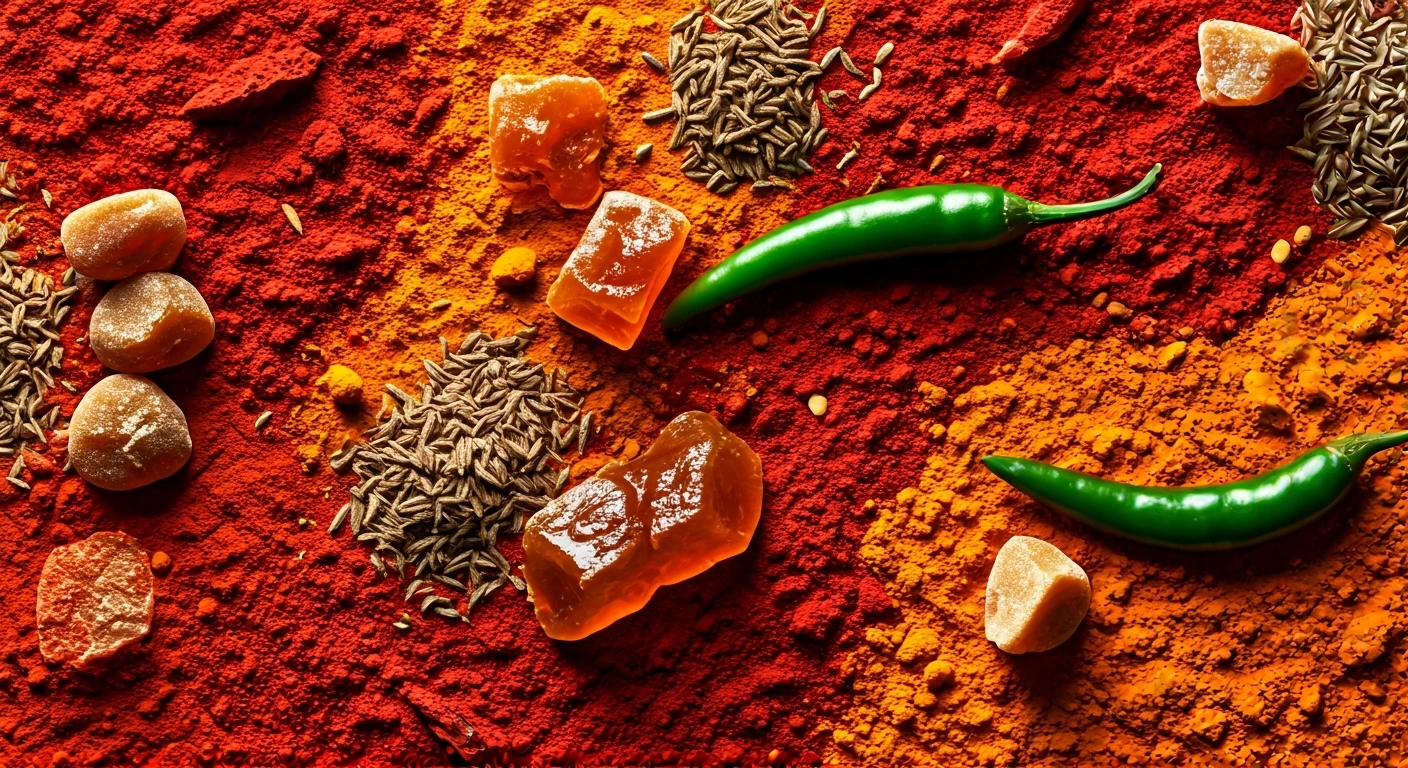
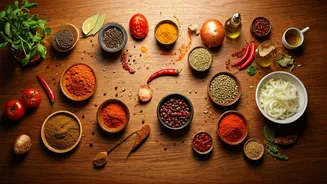
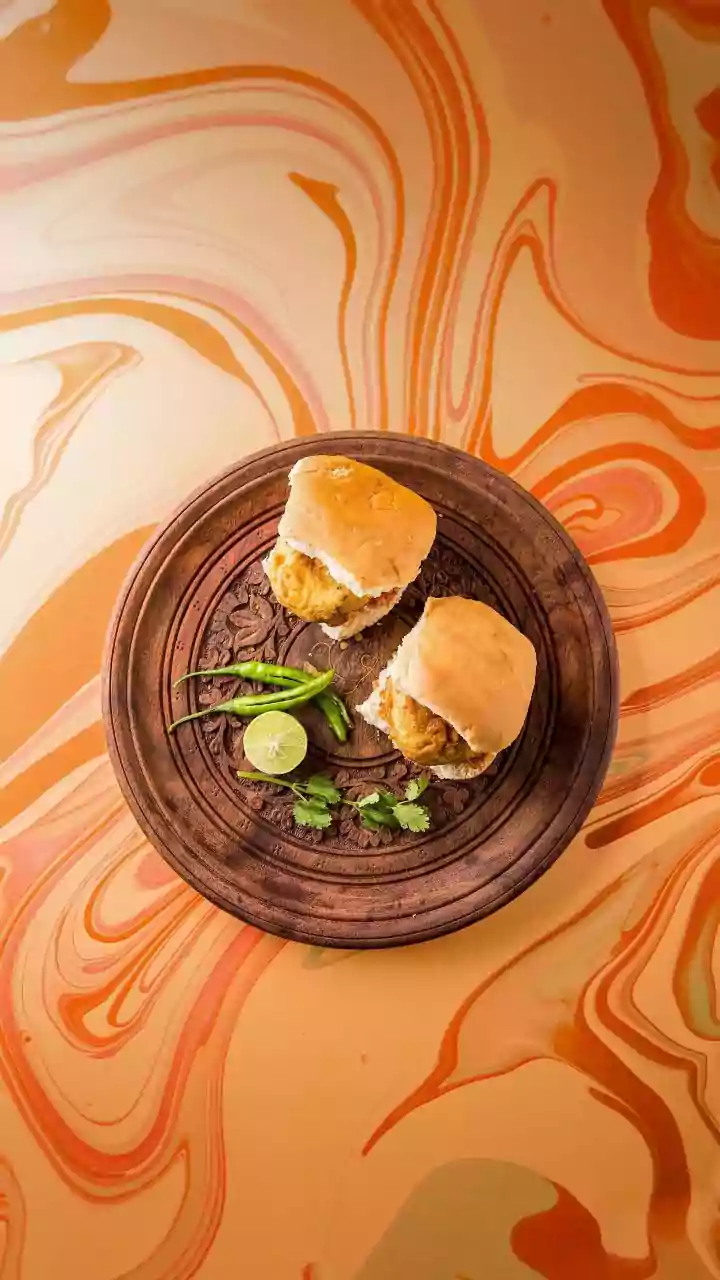
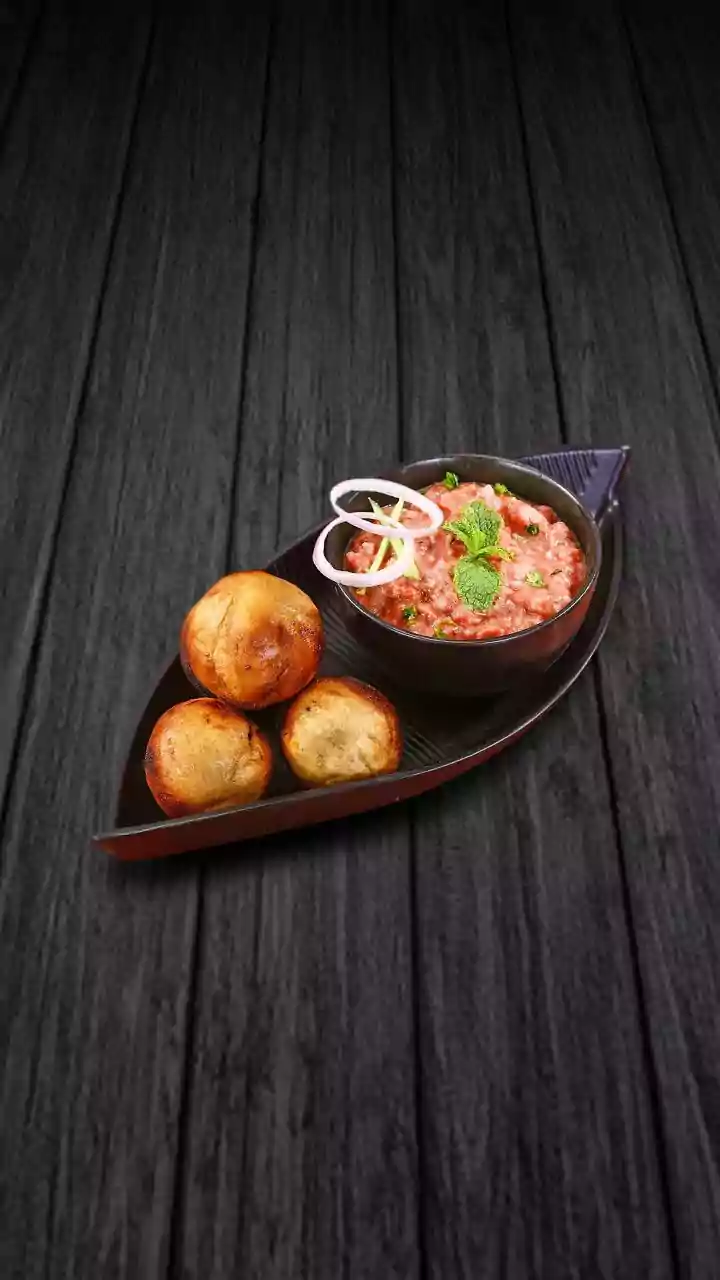
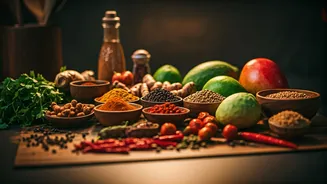
a multisensory explosion in your mouth. Think of it as a culinary party where sweet, sour, salty, spicy, and sometimes crunchy textures all show up and mingle perfectly. The most famous embodiment of this is chaat, India’s beloved category of street food snacks. A classic pani puri, for example, involves a hollow, crispy shell filled with potatoes and chickpeas, then dunked in a spicy, tamarind-and-mint-infused water. The first bite is a shockwave of flavor: the tangy sourness of tamarind, the fresh kick of mint, the slow burn of chili, the saltiness of black salt (kala namak), and the underlying sweetness that ties it all together. It’s not just heat for heat’s sake; it’s a balanced, exciting complexity that makes you immediately want another bite.
The American Palate Is Ready
For decades, the mainstream American palate was built on a foundation of sweet, salty, and fat. Then came the umami craze, teaching us the savory depth of mushrooms and soy sauce. After that, Korean gochujang and Mexican chiles introduced us to nuanced, fermented heat. We’ve been training for this moment. The rise of chatpata is the next logical step in our collective culinary evolution. Food trend analysts point to a growing boredom with one-dimensional flavors. Consumers, especially younger Millennials and Gen Z, actively seek out new, intense, and multi-layered taste experiences. They don’t just want spicy; they want 'swicy' (sweet and spicy). They don’t just want sour; they want the funky tang of fermentation. Chatpata delivers all of this in a single, thrilling package. It’s a flavor profile that feels both excitingly new and intuitively satisfying, hitting all the notes our increasingly sophisticated taste buds are searching for.
From Niche Restaurants to Your Pantry
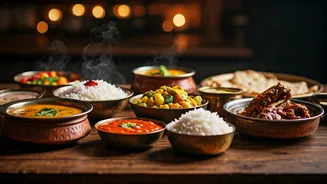
This trend isn't just happening in high-end kitchens. While innovative chefs are dusting fries with chaat masala and creating tamarind-glazed pork ribs, the chatpata influence is quietly seeping into grocery store aisles. Look at the snack section: you'll find chips and puffed snacks flavored with tamarind, chili, and lime. Major brands are launching sauces that boast a 'sweet and tangy' profile, borrowing directly from the chatpata playbook. It’s also being driven by the explosive growth of regional Indian restaurants in the U.S. As more chefs move beyond the standard North Indian fare, Americans are being introduced to the incredible diversity of the subcontinent's cuisine, where chatpata flavors are a cornerstone of snacking and street food culture. Social media is accelerating the trend, with TikTok and Instagram feeds filled with vibrant videos of people making and eating everything from bhel puri (puffed rice with chutneys) to dahi vada (lentil fritters in yogurt), demystifying the dishes for a new audience.
Why 2026 Will Be the Year of Chatpata
Predicting food trends is part art, part science. The 2026 forecast isn't arbitrary; it represents the projected peak of a wave that is already building. It takes time for a flavor profile to move from authentic street food stalls to viral TikTok videos, then to innovative restaurant menus, and finally to CPG (consumer packaged goods) products in every supermarket. By 2026, experts anticipate that this cycle will be complete. We’ll see chatpata-inspired marinades, salad dressings, and even cocktails become commonplace. This culinary shift reflects a broader cultural one. As the Indian diaspora continues to grow and share its rich heritage, its influence on American life—especially its food—becomes more pronounced. Chatpata is more than a trend; it's a taste of modern, globalized culture. It’s vibrant, unapologetic, and incredibly delicious.