




From Hustle Culture to Smart Rest
The pendulum is finally swinging away from the “always be grinding” mentality that dominated fitness for a generation. That old-school ethos, which glorified pushing through pain and skipping rest days, is being challenged by a more sustainable and scientific
approach. The conversation has shifted from how much punishment you can endure to how intelligently you can recover. This isn't about being lazy; it's about being strategic. In a world increasingly aware of burnout in all its forms, people are recognizing that physical stress without adequate repair leads to injury, plateaus, and mental fatigue. The new status symbol isn't how sore you are, but how well you’ve prepared your body for its next challenge.
What 'Recovery' Actually Means
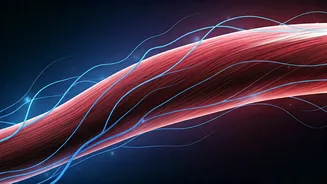
So, what does a “recovery day” really entail? It’s not necessarily a full day spent motionless on the couch (though sometimes, that’s exactly what your body needs). Experts distinguish between two main types of recovery. Passive recovery is complete rest—things like getting enough sleep or taking a day off from all structured exercise. Active recovery, on the other hand, involves low-intensity activity designed to increase blood flow and help reduce muscle soreness without adding more stress. Think of a gentle walk, a light yoga session, or some foam rolling. Both are tools for the same job: allowing your muscle fibers to repair and rebuild, letting your central nervous system calm down, and replenishing the energy stores you depleted during your workouts. Gains aren't made in the gym; they’re made when your body adapts during rest.
The Pro Athlete Effect
A huge driver of this trend is the transparency of elite athletes. Superstars like LeBron James and Tom Brady have famously invested millions of dollars and countless hours into their recovery protocols. When the public sees photos of their heroes using hyperbaric chambers, compression boots, and massage guns, it reframes rest from a weakness into a professional necessity. This has a powerful trickle-down effect. The amateur athlete or weekend warrior now sees recovery not as an excuse, but as an aspirational practice—something the best in the world do to maintain their edge. It has legitimized taking a day off and made sophisticated recovery tools desirable consumer products.
Your Recovery Toolkit: The Essentials
You don't need a pro-athlete budget to master recovery. The most effective tools are often the simplest and cheapest. Start with the non-negotiables: sleep, hydration, and nutrition. Aiming for 7-9 hours of quality sleep is the single most powerful recovery tool available. During deep sleep, your body releases growth hormone, which is essential for tissue repair. Similarly, staying hydrated helps flush out metabolic waste, while a protein-rich post-workout meal provides the building blocks for muscle repair. Gentle stretching and mobility work also fall into this category, helping to maintain flexibility and ease tightness without costing a dime.
High-Tech Aids and When to Use Them
The wellness market is now flooded with recovery technology. Percussive massagers (like the Theragun), foam rollers, and compression boots are designed to mimic deep-tissue massage, boosting circulation and breaking up knots. Meanwhile, services like infrared saunas and cryotherapy claim to reduce inflammation and speed up repair. While some of these can be effective, they should be seen as supplements to, not replacements for, the basics. A massage gun can be great for targeting a specific sore muscle, but it won’t undo the damage of only getting four hours of sleep. Think of these as the 10% solution after you’ve already mastered the foundational 90% of sleep, nutrition, and hydration.
How to Build a Better Rest Day
An effective recovery day is intentional. Instead of just skipping the gym, plan your rest. This could look like a 20-minute walk outside, followed by 10 minutes of stretching. You could focus on meal-prepping nutritious food for the week ahead or simply prioritize getting to bed an hour earlier. The key is to listen to your body. If you feel mentally drained and physically exhausted, a passive recovery day with a good book might be the answer. If you're just feeling a bit stiff and sore, an active recovery day with some light movement will likely leave you feeling better than doing nothing at all. The goal is to finish the day feeling refreshed and ready for your next workout, not sluggish or guilty.