
Not the Mango You Know
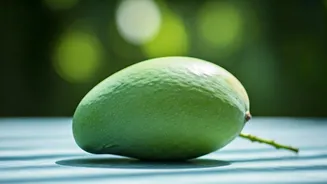
When Americans think of mangoes, they picture a sweet, juicy, sunset-colored fruit—the taste of a tropical vacation. But for millions, especially those with roots in South Asia, the true harbinger of summer isn't ripe and golden; it's green, firm, and bracingly
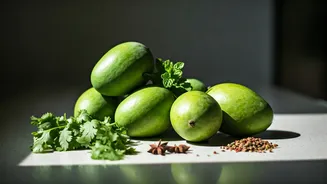
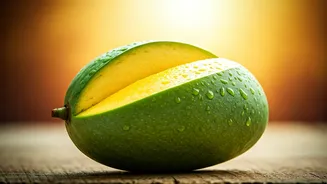
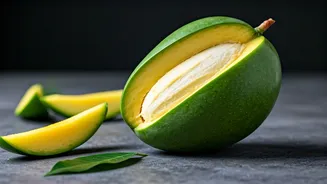
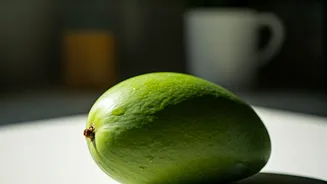
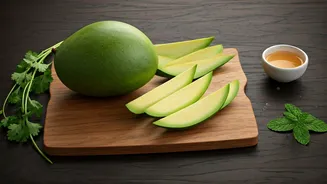
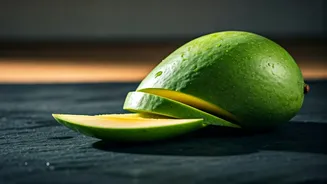
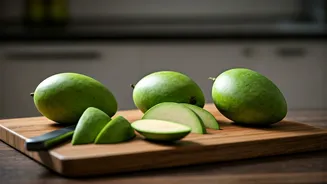
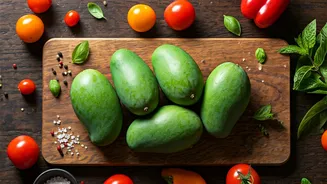
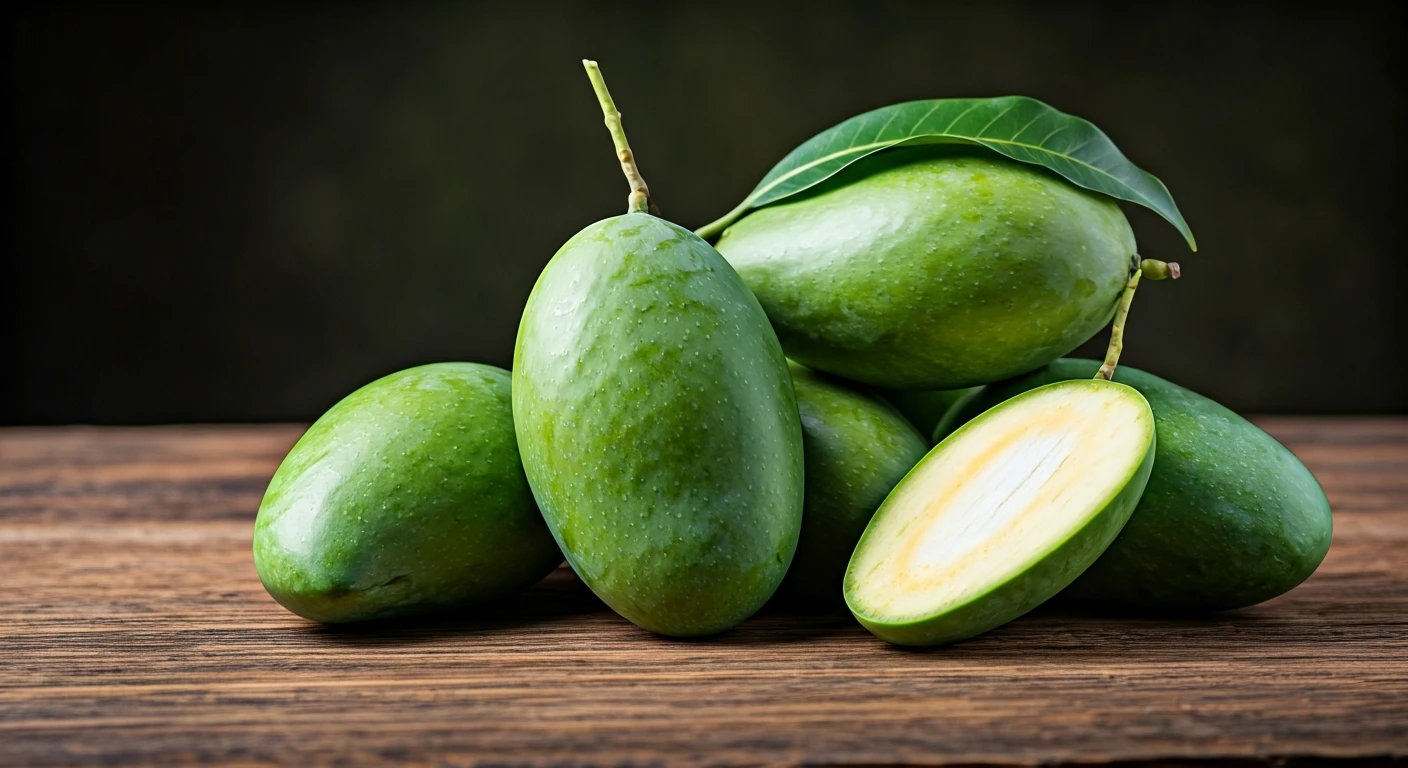
sour. This is the raw mango, or *kairi* as it's known in Hindi. Picked long before it develops its characteristic sweetness and soft flesh, the raw mango is a culinary chameleon. It's not a fruit you peel and eat out of hand. Instead, it's an ingredient, a secret weapon that transforms dishes with its sharp, acidic punch. Its crisp, pale flesh, similar in texture to a firm apple or jicama, carries the bright, electric flavor that defines the season's start.
The Flavor of a Summer Afternoon
The magic of the raw mango lies in its tartness. It’s a clean, assertive sourness that wakes up the palate. This quality makes it the perfect star for a host of summer specialties. In kitchens across India, it’s grated into tangy salads with crunchy peanuts and fresh coconut, or simmered into sweet-and-sour chutneys that hum with spice. Sliced thin and sprinkled with salt and chili powder, it becomes a simple, addictive snack sold by street vendors, its sharpness a welcome jolt on a sweltering day. This isn't a subtle flavor; it's a declaration. It cuts through the thick, humid air, providing a counterpoint to the season's lethargy. The taste is pure, unadulterated summer, long before the season has fully ripened.
A Liquid Antidote to the Heat
The headline's promise of “heat relief” is most deliciously delivered in liquid form. Enter *aam panna*, a revered North Indian summer cooler. To make it, raw mangoes are boiled or roasted until soft, their pulp extracted and blended with sugar, salt, and spices like roasted cumin and black salt. The resulting concentrate is then mixed with chilled water to create a drink that is simultaneously sweet, savory, sour, and spiced. Traditionally, it's believed to help replenish salt and electrolytes lost to sweat, making it a beloved remedy for dehydration and the draining effects of intense heat. More than a simple refreshment, it's considered a restorative tonic—a glass of tangy, pale green liquid that feels like it’s actively fighting the sun's oppression.
Bottled Sunlight and Nostalgia
Beyond its culinary uses, the raw mango is a powerful vessel of memory. For many in the South Asian diaspora, its sharp scent is inextricably linked to childhood. It smells like summer vacation, of long, unstructured afternoons spent trying to knock fruit from a tree with a well-aimed stone. It tastes like a grandmother’s kitchen, where huge glass jars were filled with mango pickles—*achar*—left to cure in the sun, a process that preserved the season’s bounty for the year to come. Finding a raw mango in a U.S. grocery store can feel like finding a portal. It’s a connection to a specific time and place, a flavor that bridges continents and generations. To eat it is to partake in a tradition, to remember a version of yourself that existed in a different climate, under a different sun.
Finding Your Green Mango Moment
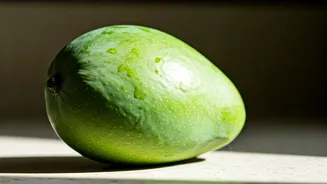
Intrigued? You don't need a plane ticket to experience this seasonal delight. Raw mangoes appear in the spring and early summer at South Asian, Southeast Asian, and Latin American markets across the United States (where they are also a key ingredient in many cuisines). Look for firm, unblemished green fruit that feels heavy for its size. Avoid any with soft spots or yellow patches, which indicate it’s starting to ripen. Take one home and be bold. Grate it into a slaw for your next barbecue. Blend it into a spicy-sour drink to sip on your porch. Or just slice it, sprinkle it with a mix of salt and cayenne, and take a bite. You might just discover that the best part of summer arrives before it even gets sweet.