



The Death of the Junk Food Drawer
Remember the quintessential office snack stash? It was a treasure trove of cheap thrills: bags of chips, leftover holiday candy, and maybe a sleeve of stale crackers for emergencies. That culture, born of convenience and a blissful ignorance of the impending
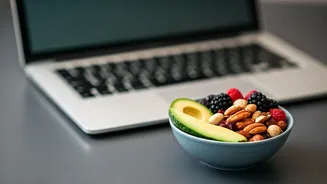
sugar crash, is fading. For a rising generation of professionals, the snack is no longer a guilty pleasure but a strategic tool. Walk through a modern co-working space or peek into the tote bags on a morning commute, and you’ll see the evidence. The crinkly, brightly colored packaging of mass-produced junk food has been replaced by minimalist pouches, sleek protein bars, and resealable bags of nuts and seeds. This isn't just about trading potato chips for kale chips; it's a fundamental shift in mindset. Snacking has been upgraded from a mindless habit to a conscious, deliberate act of self-optimization and self-care. The goal is no longer to simply quell hunger pangs but to enhance focus, sustain energy, and align with personal values—all before the next meeting on the calendar.
So, What Makes a Snack "Smart?"
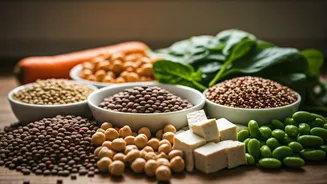
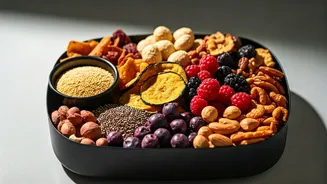
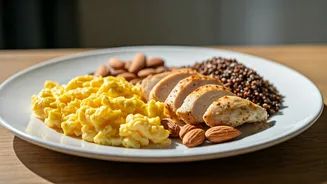
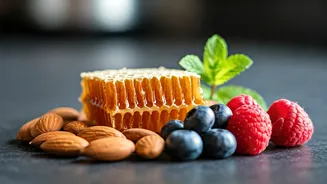
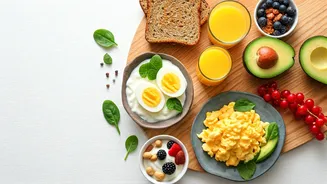
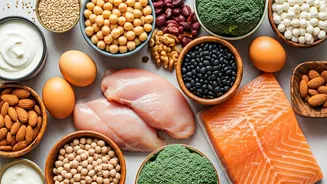
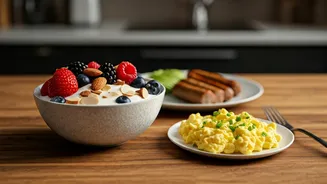
The term "smarter snack" isn't just marketing fluff. It’s a shorthand for a specific set of criteria that young consumers now demand. First and foremost is function over filler. These snacks are expected to *do* something. That often means they are high in protein and fiber to promote satiety and prevent energy spikes and crashes. Think Greek yogurt, roasted chickpeas, or a handful of almonds instead of a sugary granola bar that’s essentially a cookie in disguise. Low sugar content is non-negotiable. With a greater awareness of sugar's impact on inflammation, energy, and overall health, professionals are scrutinizing labels like never before. They're seeking snacks sweetened with natural alternatives like monk fruit or stevia, or simply opting for savory profiles. Beyond that, the label itself has to be "clean"—short, pronounceable ingredient lists are a must. Finally, there’s the rise of functional ingredients. Snacks infused with adaptogens like ashwagandha to manage stress, or nootropics for cognitive support, are moving from niche wellness blogs to the mainstream grocery aisle. A smart snack isn't just calories; it's fuel with benefits.
The Wellness-Productivity Pipeline
This shift isn't happening in a vacuum. It's the direct result of the convergence of wellness culture and modern work ambition. Young professionals were raised on a diet of self-improvement and optimization. They track their sleep, count their steps, and meditate with apps. It was only a matter of time before that same data-driven, performance-oriented mindset was applied to their food choices. The logic is simple: if you want to perform at your peak, you need the right fuel. The mid-afternoon brain fog that follows a bag of cookies isn't just an inconvenience; it's a productivity killer. A snack that provides sustained energy and sharpens focus is seen as a direct investment in one's career capital. It's about biological efficiency. In a competitive work environment, controlling your energy levels through nutrition is perceived as a competitive edge. The smart snack is part of a holistic toolkit for success that includes a standing desk, a premium coffee subscription, and a well-curated LinkedIn profile.
Snacking as a Statement of Values
For this demographic, a purchase is often a vote. The choice of a snack is no longer just about taste or price; it's an expression of identity. Young professionals are increasingly drawn to brands that reflect their own values, and the food industry has taken notice. This means they're looking past the multinational corporations that dominated their parents' pantries. They're searching for snacks from companies with transparent supply chains and sustainable sourcing practices. Is the packaging compostable? Is the company a certified B Corp? Are the ingredients ethically farmed? These questions matter. They are willing to pay a premium for a product that aligns with their social and environmental conscience. Supporting a small-batch, mission-driven startup feels better than grabbing a generic option. In this context, a snack is not just a snack. It's a small but tangible way to enact one's beliefs, turning a mundane moment into a micro-statement about the kind of world you want to live in—and eat in.