





Think of Your Scalp as Skin
For decades, the beauty industry has taught us to focus on our hair—the dead keratin protein we can see, style, and color. But dermatologists and trichologists (hair and scalp specialists) are shifting the conversation to the living ecosystem where it
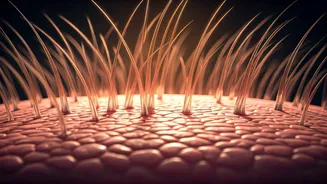
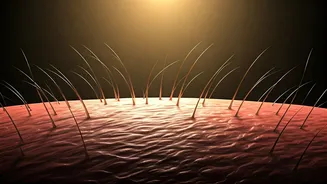
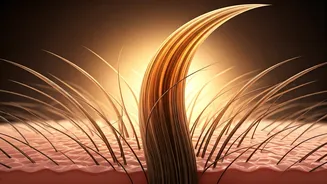
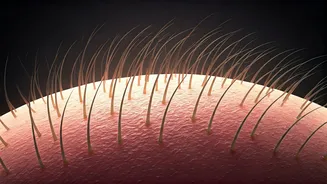
all begins: the scalp. The simplest way to reframe your routine is to remember that your scalp is skin. It has pores, sweats, produces oil (sebum), and sheds dead cells, just like the skin on your face. When this environment is out of balance—clogged, inflamed, or irritated—it can directly impact the health of the hair follicles it houses. An unhealthy follicle simply cannot produce its strongest, shiniest, healthiest possible hair strand. This can lead to issues like increased shedding, slower growth, and strands that are weaker and more prone to breakage.
Identify Your Scalp Saboteurs
Before you can fix the problem, you have to know what you’re up against. The most common scalp issues stem from a few key culprits. First is product buildup. Dry shampoo, styling creams, and even some conditioners can leave a waxy film that clogs follicles and suffocates the scalp, leading to dull, limp hair. Second is an imbalance of oil. An overly oily scalp can create a breeding ground for the fungus that contributes to dandruff, while an overly dry scalp can become flaky, itchy, and tight, causing inflammation that constricts follicles. Finally, there's general inflammation, which can be triggered by everything from stress and diet to allergic reactions to hair products. This chronic, low-grade irritation is a major enemy of healthy hair growth, as it puts the follicles under constant stress.
Start with a Scalp Detox
The first step in any good scalp care routine is a reset. This means clearing away all the buildup that’s been accumulating. You can do this in two main ways. A clarifying shampoo is the simplest method; used once a week or a couple of times a month, it contains stronger cleansing agents that strip away residue. For a deeper clean, consider scalp exfoliation. Just like for your face, you have options. Physical exfoliants use fine particles (like sugar or salt) or bristles to manually scrub away dead skin and buildup. Chemical exfoliants use skincare acids, like salicylic acid (a BHA) to dissolve oil and debris within the pore, or glycolic acid (an AHA) to unglue dead skin cells from the surface. These are often found in pre-shampoo treatments or serums and are particularly effective for oily or flaky scalps.
Upgrade Your Cleansing Technique
It’s time to stop thinking about “washing your hair” and start thinking about “cleansing your scalp.” The focus of your shampoo should be on your scalp, not your ends. When you wash, concentrate the shampoo at the roots. Instead of scrubbing aggressively with your nails—which can cause micro-tears and irritation—use the pads of your fingertips to massage the shampoo into your scalp for a good 60 seconds. This not only helps the product work more effectively but also stimulates blood flow to the follicles, which is crucial for delivering nutrients that support hair growth. The lather that rinses down the lengths of your hair is more than enough to clean them without causing unnecessary dryness or friction.
Nourish and Hydrate at the Root
Once your scalp is clean, you can deliver targeted, nourishing ingredients. This is where scalp serums and treatments come in. Think of them as the equivalent of your facial serum. If your scalp is dry and tight, look for products with hydrating ingredients like hyaluronic acid or aloe vera. If you struggle with oiliness or irritation, ingredients like tea tree oil, witch hazel, or green tea can help soothe and balance. For those focused on promoting growth and thickness, look for serums containing peptides, caffeine, or rosemary oil, which have been shown to support follicle health and stimulate circulation. Apply these products to a clean, damp scalp after washing to ensure maximum absorption, and massage them in gently to boost their effects.