






From Staple Grains to Superfoods
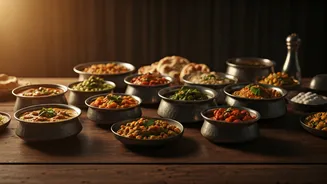
For generations, the Indian diet, rich and varied as it is, was built on a foundation of regional staples: rice, wheat, lentils (dal), and seasonal vegetables. These foods were about sustenance, tradition, and community. But in the nation’s rapidly growing
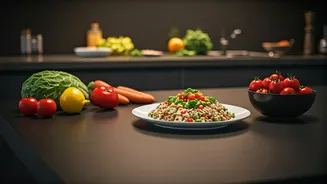
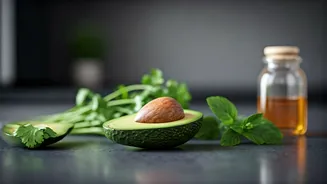
cities, a new vocabulary is entering the culinary conversation. Words like 'organic,' 'gluten-free,' 'cold-pressed,' and 'protein-rich' are no longer niche. Superfoods that took America by storm years ago, like quinoa and kale, are now appearing in salads at trendy Mumbai cafes and on supermarket shelves in Bangalore. Olive oil is challenging traditional cooking oils, and artisanal cheeses are finding a place alongside homemade paneer. This isn't about replacing tradition but supplementing it. The new aspirational Indian consumer isn't giving up their mother’s dal; they're just having an avocado toast for breakfast first.
The Rise of the Global Palate
So, what’s fueling this shift? The simplest answer is the economy. Decades of economic growth have created a massive, young, and increasingly wealthy middle class. With more disposable income, food is transitioning from a necessity to a lifestyle choice—a form of self-expression and a marker of status. This new generation of consumers is more globally connected than ever before. Thanks to the internet, social media, and more accessible international travel, they are exposed to global trends in wellness, fitness, and cuisine. Seeing a health influencer in Los Angeles post about their green smoothie or a chef in London champion a new ingredient creates a ripple effect that now reaches Delhi and Hyderabad almost instantly. E-commerce giants and grocery delivery apps have made these global products more accessible than ever, breaking down the final barrier between desire and consumption.
Health as the New Wealth
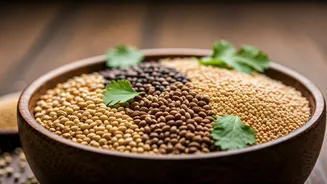
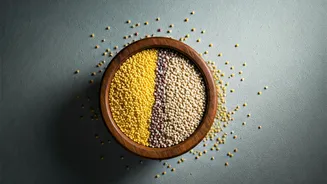
While status plays a role, a powerful driver of this aspirational eating is a growing consciousness around health and wellness. The pandemic, in particular, acted as a massive catalyst, pushing health from the back of the mind to the forefront. Urban Indians are increasingly linking diet to long-term health outcomes, moving away from processed items and toward foods perceived as 'clean' or 'natural.' This has sparked a boom in the domestic market for organic produce, plant-based milks, and fortified foods. It’s a pivot from thinking about food as simply filling to seeing it as fuel. This trend also has a distinctly Indian flavor. Consumers are seeking modern health benefits from ancient ingredients, leading to a resurgence in the popularity of millets, turmeric, and ashwagandha, now packaged and marketed with a glossy, modern appeal.
Not Just What You Eat, but Where
The aspiration extends beyond the ingredients themselves to the entire dining experience. The restaurant scene in major Indian cities has exploded with creativity, moving far beyond the standard Indian, Chinese, or 'Continental' options of the past. Today, you can find authentic Japanese ramen bars, sophisticated farm-to-table restaurants, and cafes specializing in single-origin coffee. Dining out is no longer just for special occasions; it's a regular part of social life. Much like in the U.S., the experience is meant to be shared—not just with friends at the table, but with followers on Instagram. A beautifully plated dish or a chic cafe interior is social currency. This 'camera-eats-first' culture further accelerates food trends, turning niche tastes into mainstream desires overnight.