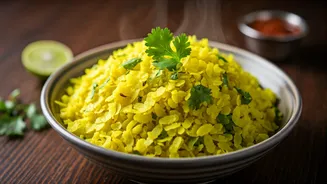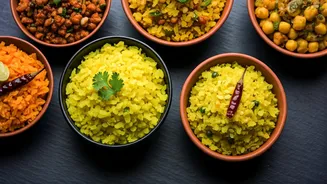


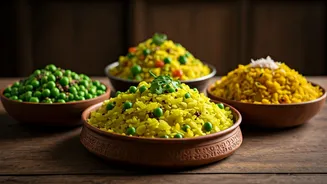
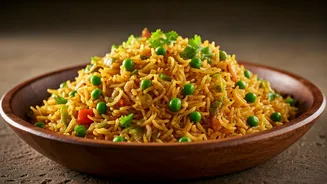
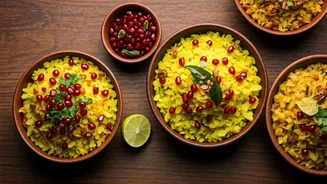
So, What Is Poha?
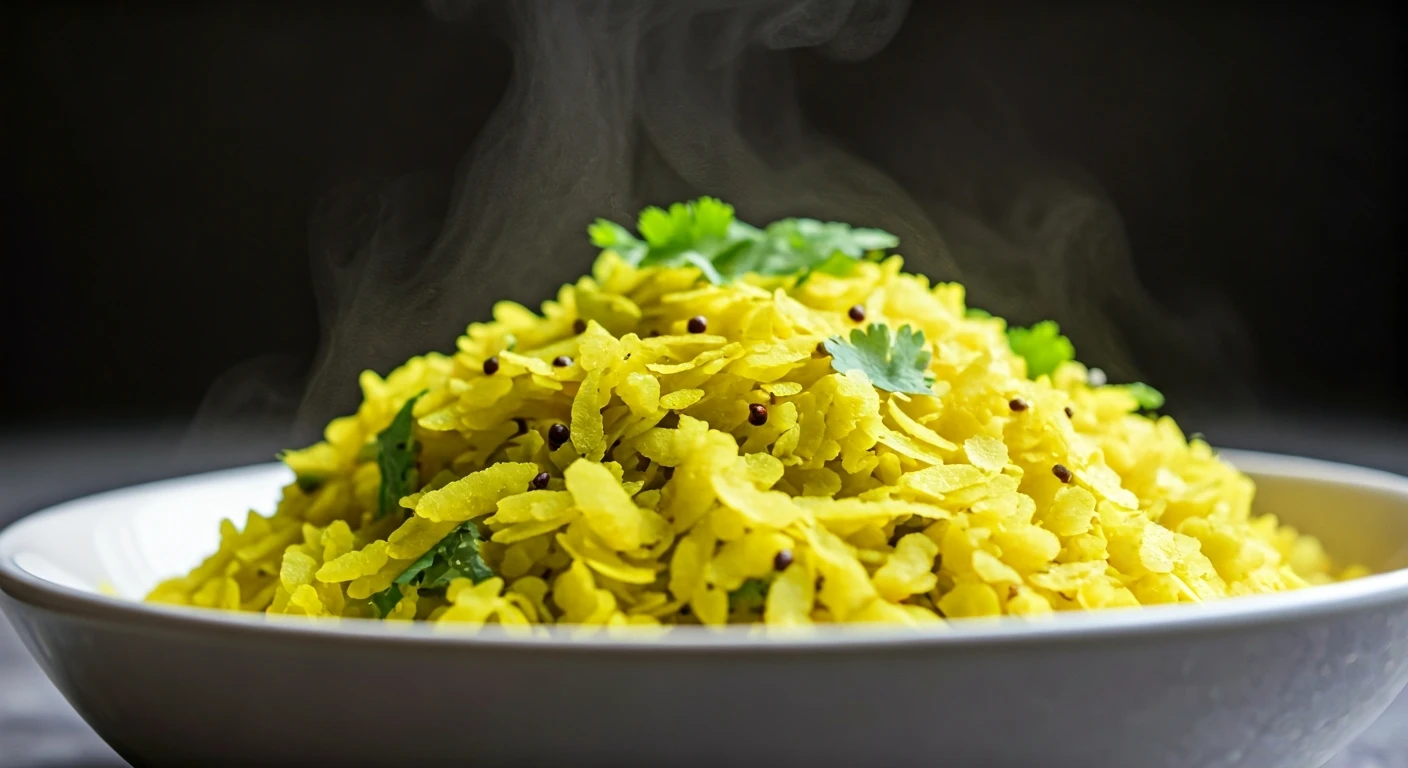
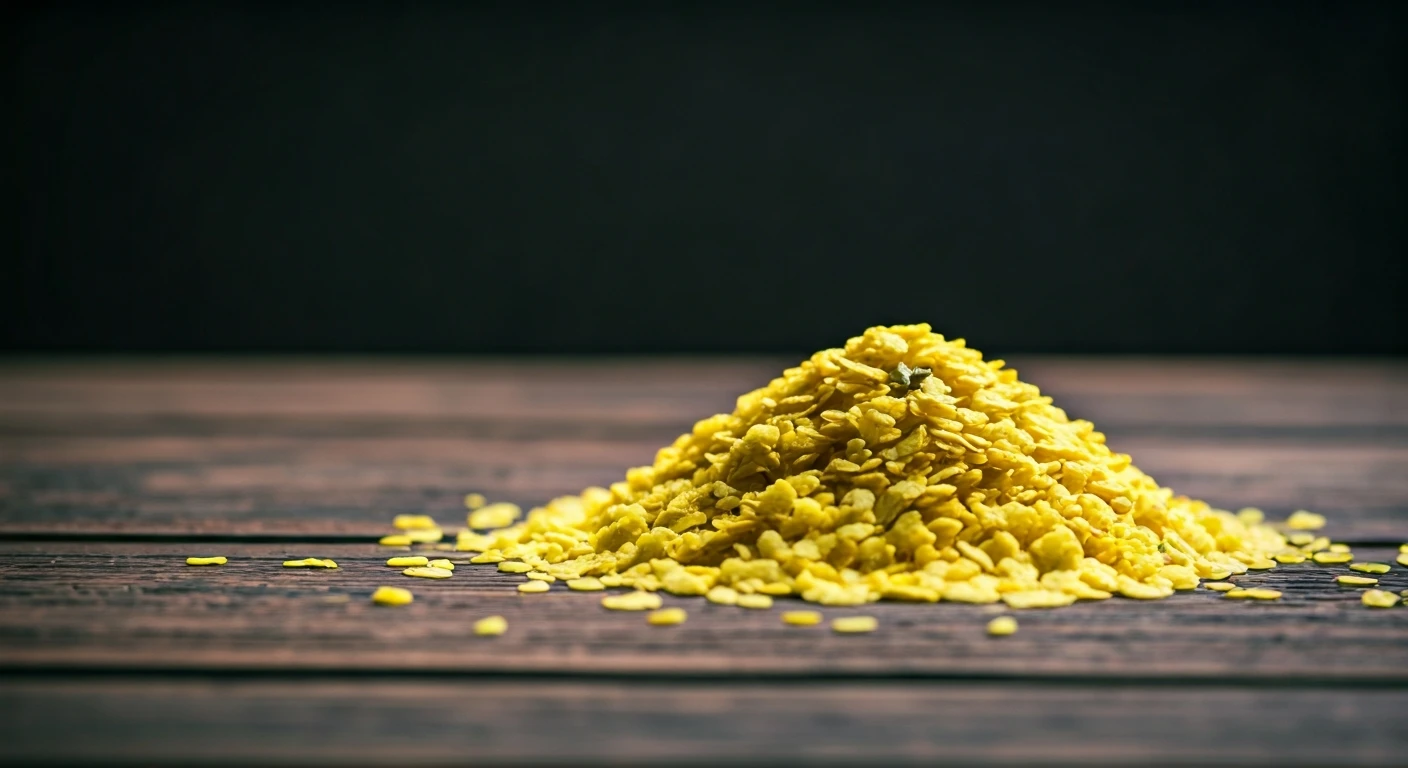
At its heart, poha is a deceptively simple dish with a complex flavor profile. The star ingredient is flattened rice—rice that has been parboiled, flattened into flakes, and dried. These flakes are incredibly light and, when quickly rinsed and soaked,
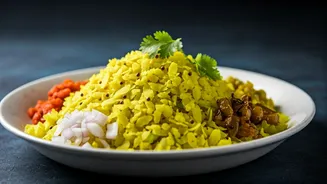
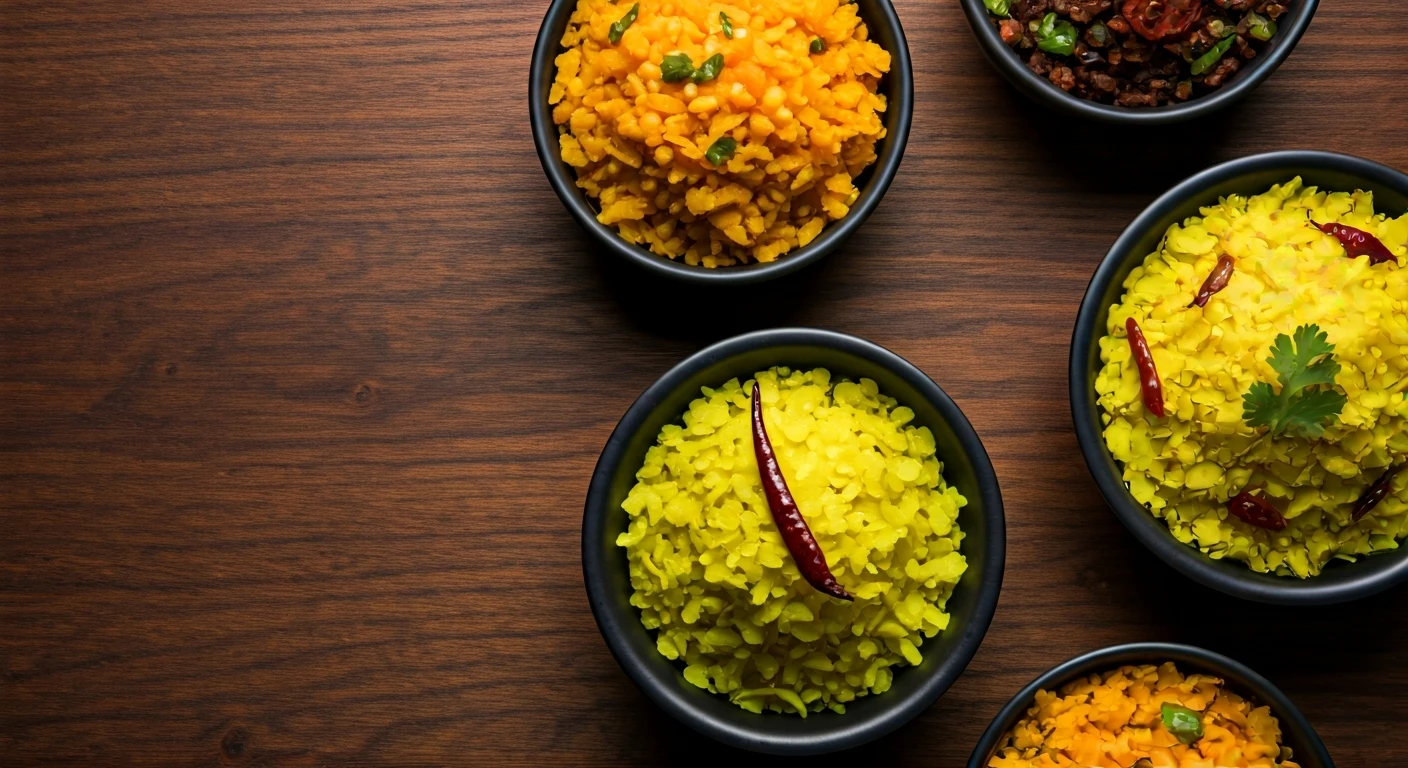
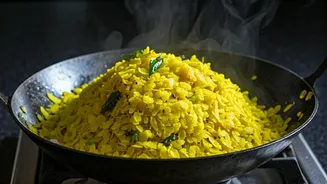
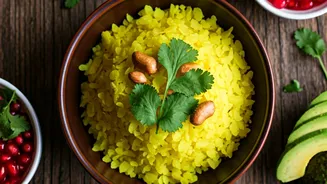
they soften into a fluffy, tender base that’s a world away from a bowl of heavy oatmeal. The magic happens in the pan. The rehydrated poha is typically tossed in oil tempered with mustard seeds, cumin seeds, and curry leaves, which crackle and pop, releasing their fragrant oils. Sautéed onions add a touch of sweetness, green chilies provide a gentle hum of heat, and a generous pinch of turmeric gives the dish its signature sunny-yellow hue. It’s a fast, flavorful, and wonderfully aromatic process that can turn a sleepy kitchen into a vibrant one in minutes.
A Breakfast Built on Speed and Soul
In many parts of India, particularly in the states of Maharashtra and Madhya Pradesh, poha is more than just breakfast; it's a cultural staple. It’s the go-to meal for millions, cherished for its simplicity and speed. It’s the quick breakfast a parent whips up before school, the satisfying snack sold by street vendors, and the welcoming dish offered to unexpected guests.
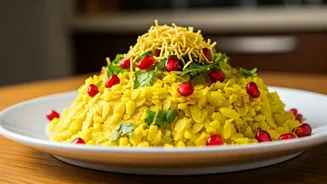
Unlike an elaborate brunch that requires hours of prep, poha comes together in about 15 minutes. This efficiency is key to its appeal. It delivers a full-flavored, satisfying meal without demanding much of your time, making it a perfect fit for a busy morning. Yet, despite its speed, it never feels like a compromise. The final dish is often garnished with a squeeze of lime juice for brightness, freshly chopped cilantro for freshness, and sometimes a sprinkle of fine sev (crunchy chickpea flour noodles) or roasted peanuts for texture. Each bite is a delightful mix of soft, crunchy, savory, and tangy.
The Savory Breakfast Revelation
For the American palate, which is largely conditioned to associate breakfast with sweetness—pancakes drenched in syrup, sugary cereals, sweet pastries—poha can be a revelation. It makes a compelling case for starting the day with savory flavors. It’s light yet filling, providing steady energy without the sugar crash that often follows a carb-heavy, sweet breakfast.
The flavor profile is layered but not overwhelming. It’s warm from the spices, slightly tangy from the lime, and deeply savory from the tempered aromatics. It wakes up your taste buds in a gentle, energizing way. This is the “range” the American breakfast scene so often lacks. We have our bacon and eggs, but savory options often feel heavy. Poha proves that a savory breakfast can be light, nutritious, and incredibly satisfying, breaking the false binary between a bowl of Cheerios and a full-on greasy spoon diner plate.
An Excuse to Explore
While “World Poha Day,” celebrated on June 7th, might be a relatively modern invention driven by food enthusiasts and social media, it serves a valuable purpose. It’s a collective celebration of a beloved comfort food and an open invitation for the rest of the world to join in. It encourages people to look beyond their default settings and explore the vast, delicious landscape of global cuisine.
You don’t need a special occasion to try it. Packets of flattened rice are available at most Indian grocery stores and online. With a handful of common spices, you can easily recreate this dish at home. Or, better yet, seek it out at a local Indian restaurant that serves regional specialties. Ordering it is a great way to start exploring the breakfast menus of other cultures.