

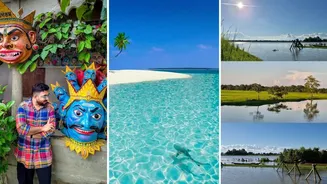
An Unspoiled Paradise, Explained
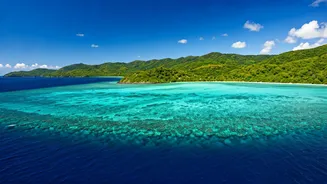
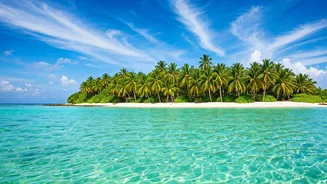
For most Americans, the name Lakshadweep likely draws a blank. Tucked away in the Laccadive Sea, about 250 miles off the southwestern coast of India, this string of 36 atolls and coral reefs is India’s smallest union territory. Think of it as a less-developed,
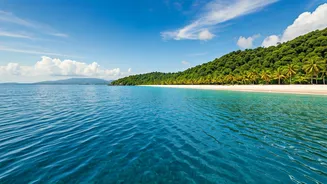
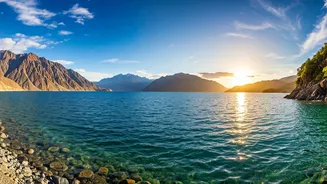
more protected cousin to the Maldives. With its turquoise lagoons, vibrant coral reefs, and sandy white beaches, it has long been a jewel known to intrepid divers and domestic tourists. But unlike many global beach destinations, access is tightly controlled. Permits are required for all visitors, a measure designed to preserve its fragile ecosystem and unique culture. This exclusivity has kept Lakshadweep pristine and relatively untouched by the kind of mass tourism that has transformed other island chains.
The Allure of the Monsoon
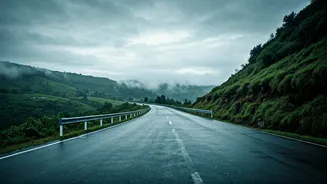
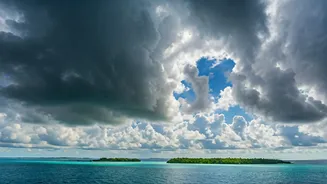
Typically, a tropical island’s rainy season—which in Lakshadweep runs from roughly June to September—is considered the off-season. Flights are cheaper, resorts are emptier, and guidebooks warn of choppy seas and limited activities. But a different mindset is taking hold. For a growing number of Indian travelers, the monsoon isn’t a deterrent; it’s the destination’s best-kept secret. The appeal lies in a complete sensory shift. The harsh tropical sun gives way to dramatic, moody skies. The landscape, refreshed by the downpours, explodes into a thousand shades of electric green. The constant, rhythmic sound of rain becomes a soothing soundtrack, creating an atmosphere of tranquility that the peak season can’t match. For travelers burned out on crowds and seeking a more introspective escape, the monsoon offers a chance to see the islands in their most raw and natural state.
What to Do When It Pours
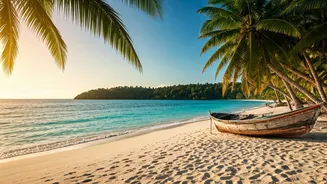
A monsoon trip to Lakshadweep requires a recalibration of expectations. This isn’t the time for deep-sea diving or sunbathing. Many water sports are suspended due to rough seas, and ferry services between islands can be unreliable. Instead, the experience becomes more contemplative and hyperlocal. It’s about curling up with a book in a beachfront bungalow as a storm rolls in, watching the coconut palms sway wildly in the wind. It’s about taking long walks on deserted beaches during breaks in the rain, with the entire coastline feeling like a private reserve. Islands like Agatti, Kavaratti, and Bangaram often remain accessible and offer a glimpse into the local way of life, which hums along uninterrupted by the weather. The food takes on new meaning, with warm, spicy coastal curries and fresh seafood feeling especially comforting. It’s a vacation for those who want to disconnect and recharge, rather than tick off a checklist of activities.
A Newfound National Spotlight
Lakshadweep’s profile received an unexpected and massive boost in early 2024. Following a diplomatic spat between India and the Maldives, a viral social media campaign erupted, urging Indian tourists to #ExploreIndianIslands and choose Lakshadweep over its southern neighbor. The movement, amplified by celebrities and political figures, sparked an unprecedented surge in search queries and booking interest. While the high-season crowds saw the immediate impact, this newfound awareness is also bleeding into the off-season. Travelers who were recently introduced to Lakshadweep are now discovering its monsoon charm, partly because it offers a more affordable and accessible way to experience the suddenly famous destination. This patriotic push has effectively put the archipelago on the mental map of millions, creating a pipeline of curious visitors ready to explore it in any season.