
The Low-Tech Option: Vermicomposting
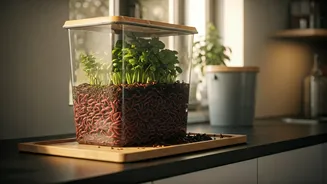
Vermicomposting, or worm composting, is a classic for a reason. It uses a specific type of earthworm (typically red wigglers, not garden worms) in a ventilated bin to break down organic matter. These self-contained systems are surprisingly compact and
can be stored under a sink, in a closet, or on a shaded balcony. You start with a bedding of shredded paper or coconut coir, add the worms, and then begin feeding them your kitchen scraps. Over weeks and months, the worms process the waste into nutrient-rich castings, a prized amendment for houseplants or container gardens. The key is balance: don't overfeed them, and maintain the right moisture level. A well-managed worm bin has a pleasant, earthy smell—if it starts to stink, it's a sign that something is off, usually that it's too wet or you've added foods the worms can't process, like meat, dairy, or oily items.
The Fermentation Method: Bokashi
Bokashi isn't technically composting, but a fermentation process that achieves a similar goal. Originating in Japan, this method uses a special airtight bucket and an inoculated bran mixture to pickle your kitchen scraps. The biggest advantage of Bokashi is its versatility; you can toss in almost anything, including meat, bones, dairy, and oily foods, which are off-limits for most other small-scale compost systems. You layer your scraps with the Bokashi bran in the bucket. Once full, the bucket is sealed for about two weeks to ferment. During this time, you'll drain off a liquid 'tea' that can be diluted and used as a potent plant fertilizer. The downside? The final product is a pickled, pre-compost material that still needs to be buried in soil to fully break down. For apartment dwellers, this means you'll need access to a community garden, a friend's yard, or a large planter on your balcony to complete the process.
The High-Tech Solution: Electric Composters
For those who want a fast, odorless, and mess-free solution, countertop electric composters are the ultimate modern convenience. These appliances, about the size of a bread maker, use heat, grinding, and aeration to break down food scraps into a dry, soil-like material in a matter of hours, not months. They can handle a wide variety of waste, often including things like meat and small chicken bones. The process is fully automated: you fill the bucket, press a button, and come back a few hours later to a finished product. The primary drawbacks are cost and energy. These units represent a significant upfront investment compared to a DIY worm bin, and they consume electricity. While the end product is sterile and great for mixing into soil, it lacks the rich microbial life of traditional compost. It’s more of a dehydrated soil amendment than living compost.
Choosing What’s Right for You
The best method depends entirely on your space, budget, and lifestyle. If you're a plant lover on a budget who cooks mostly vegetarian, a worm bin is a fantastic, symbiotic project. If your household produces a lot of mixed food waste and you have a way to bury the end product, Bokashi is an incredibly efficient system. And if your top priorities are speed, convenience, and eliminating odor at all costs, an electric composter might be worth the investment. No matter which you choose, start small. Get comfortable with the process and don't be afraid to troubleshoot. The most common mistakes—like adding too much wet food or not providing enough carbon-rich 'brown' material like paper or cardboard—are easily correctable.