








The Great Indian Protein Gap
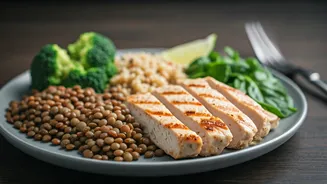
For generations, the typical Indian diet, while incredibly diverse and flavorful, has been characterized by a reliance on carbohydrates and fats. While rich in plant-based staples like lentils (dal), chickpeas, and paneer, a significant portion of the population
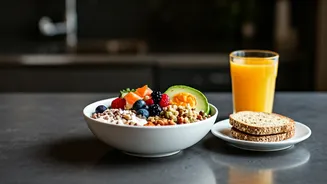
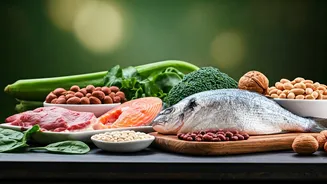
has historically fallen short of recommended daily protein intake. A 2017 survey found that over 70% of Indians were protein deficient, a phenomenon dubbed the 'protein gap.' This wasn't just about vegetarianism; even among meat-eaters, animal protein was often a smaller component of a meal dominated by rice, roti (flatbread), and gravies. This nutritional baseline is crucial for understanding the scale and significance of the current shift. The change isn't a minor dietary tweak; it's a fundamental rewiring of the Indian plate, starting with its most upwardly mobile demographic.
From Bollywood to Biceps
So, what changed? The answer lies at the intersection of smartphones, gyms, and Bollywood. Over the last decade, India's urban centers have witnessed an explosion in fitness culture. Neighborhood gyms, once a rarity, are now ubiquitous, and with them comes a new aesthetic ideal. The lean, wiry Bollywood hero of the 90s has been replaced by chiseled, muscular stars who openly discuss their workout regimens and protein-heavy diets. This imagery cascades through social media, where fitness influencers—many with millions of followers—evangelize the benefits of whey protein, creatine, and high-protein meals. For young, urban Indians, fitness has become a status symbol and a marker of a modern, globalized identity. The gym selfie, complete with a shaker bottle in hand, is a common sight, signifying a commitment to a lifestyle that values physical strength and visible results.
A Multi-Billion Dollar Appetite
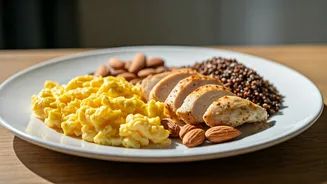
Where culture leads, commerce follows. The burgeoning demand for protein has created a massive economic opportunity. The protein supplement market in India, once a niche category for professional bodybuilders, is now a multi-billion dollar industry projected to grow exponentially. International brands sit on shelves next to a fast-growing number of domestic startups. But it goes far beyond tubs of whey powder. Food and beverage companies are scrambling to 'protein-fortify' everything from cookies and chips to instant noodles and breakfast cereals. Restaurants and meal-kit services now prominently feature 'high-protein' options. This boom is powered by India’s growing middle class, which possesses the disposable income and the health consciousness to invest in products that promise wellness and align with their aspirational goals. It's a clear signal to global markets: the Indian consumer is evolving, and their wallet is opening for products that fit a new way of life.
More Than Just a Meal
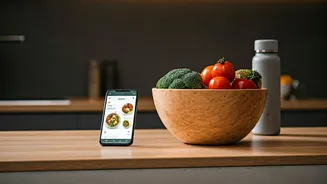
Ultimately, the shift toward protein is a powerful symbol of a new India. It reflects a move away from purely communal and traditional eating habits toward a more individualized, science-inflected approach to health. While traditional food knowledge is still revered, it's now being supplemented by macronutrient tracking, calorie counting, and a dietary ethos borrowed from global fitness culture. This trend is a story of aspiration. It’s about a generation that grew up with the internet, connects with global trends in real-time, and is eager to build a version of success that is both economic and physical. Eating more protein is, in a way, a tangible expression of this ambition—a way to build a stronger self to compete in a fast-changing, increasingly globalized world. It signals confidence, modernity, and a quiet departure from the dietary norms of their parents’ generation.