


A Festival in the Clouds
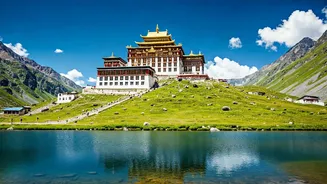
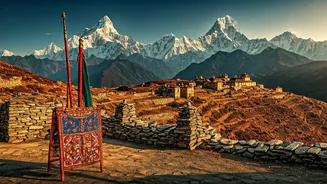
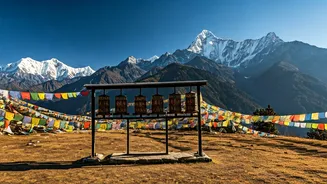
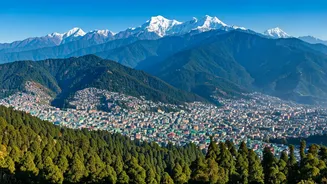
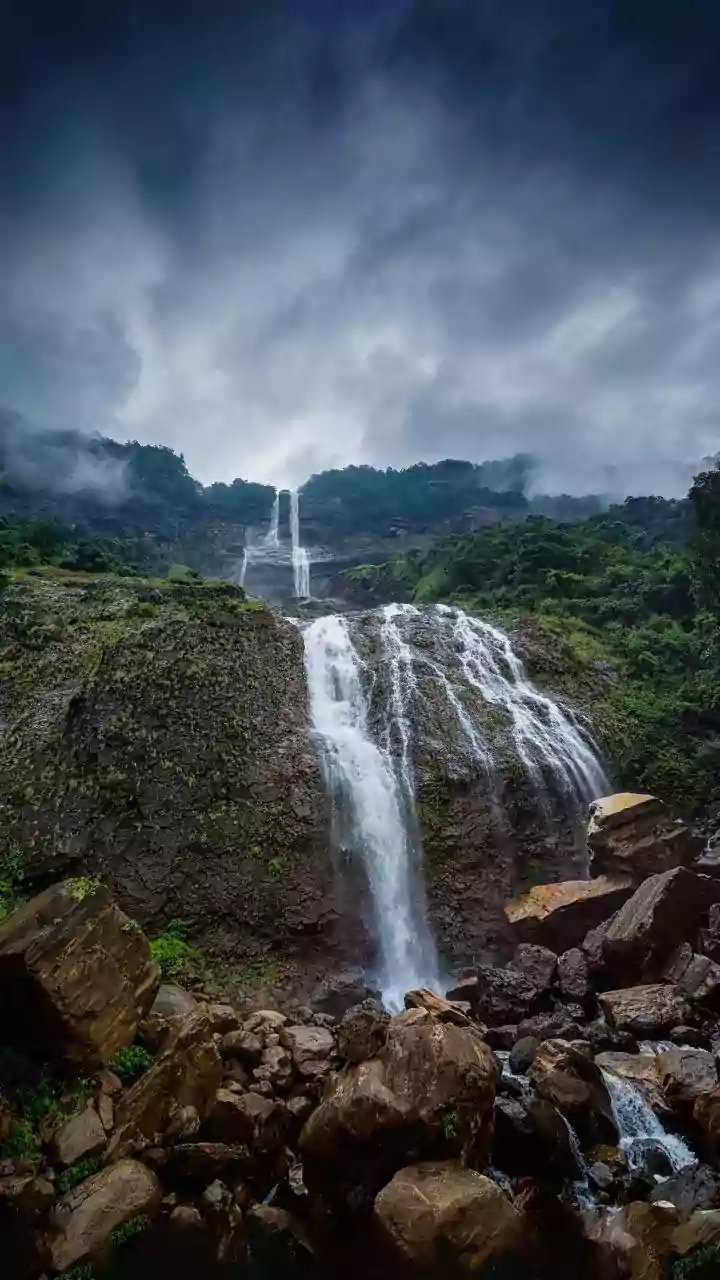
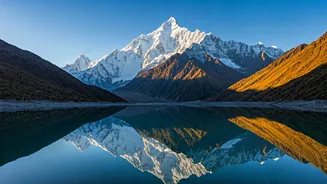
Imagine a place where razor-sharp Himalayan peaks scrape the sky, and the air is filled with the sounds of rock music, ancient folk chants, and sizzling street food. That was the scene in Gangtok during the recent Northeast India Festival. This multi-day
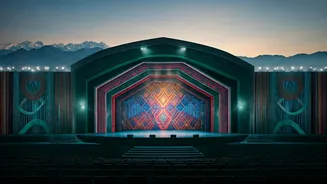
event wasn’t just a local fair; it was a deliberate, large-scale showcase designed to bring the eight states of Northeast India together. For days, the city’s stadiums and public spaces were transformed into a living museum of culture, featuring everything from electrifying fashion shows with handwoven textiles to intense rock band competitions and elaborate dance performances that have been passed down for generations. The goal was simple but ambitious: to put the rich, complex, and often overlooked identity of an entire region onto one spectacular stage.
Discovering the 'Other' India
For many Americans, the idea of "India" conjures images of the Taj Mahal, Bollywood, or the bustling streets of Mumbai. But Northeast India is a world apart. Connected to the rest of the country by a narrow strip of land whimsically called the "chicken's neck," this region comprises eight states: Arunachal Pradesh, Assam, Manipur, Meghalaya, Mizoram, Nagaland, Sikkim, and Tripura. Often referred to as the "Seven Sisters" (plus their brother, Sikkim), this area is one of the most ethnically, linguistically, and culturally diverse places on Earth. Its people have more cultural and historical ties to Southeast Asia and Tibet than to the Indo-Gangetic plain. With hundreds of distinct ethnic groups and languages, it’s a mosaic of traditions, beliefs, and histories that defies any single definition of "Indian."
A Feast for the Senses
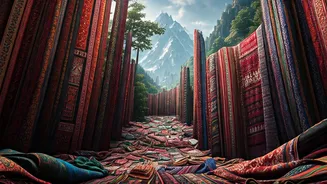
The Gangtok festival was a full-sensory immersion into this diversity. The fashion shows were a riot of color and texture, highlighting the intricate weaving patterns of Nagaland’s warrior shawls and the delicate silk garments of Assam. Dancers from Manipur performed the graceful and spiritual Ras Leela, while warrior tribes from Arunachal Pradesh showcased powerful, rhythmic movements. The air was thick with the aroma of unfamiliar but tantalizing foods. Stalls offered dishes that are staples in the region but virtually unknown elsewhere: smoked pork with bamboo shoots from Nagaland, savory rice cakes from Assam, and intensely flavorful dishes spiced with Bhut Jolokia, the infamous 'ghost pepper.' The soundtrack was just as eclectic, with traditional folk musicians sharing stages with some of India's most popular rock bands, many of whom hail from this very region, which is often called the rock capital of India.
More Than Just a Performance
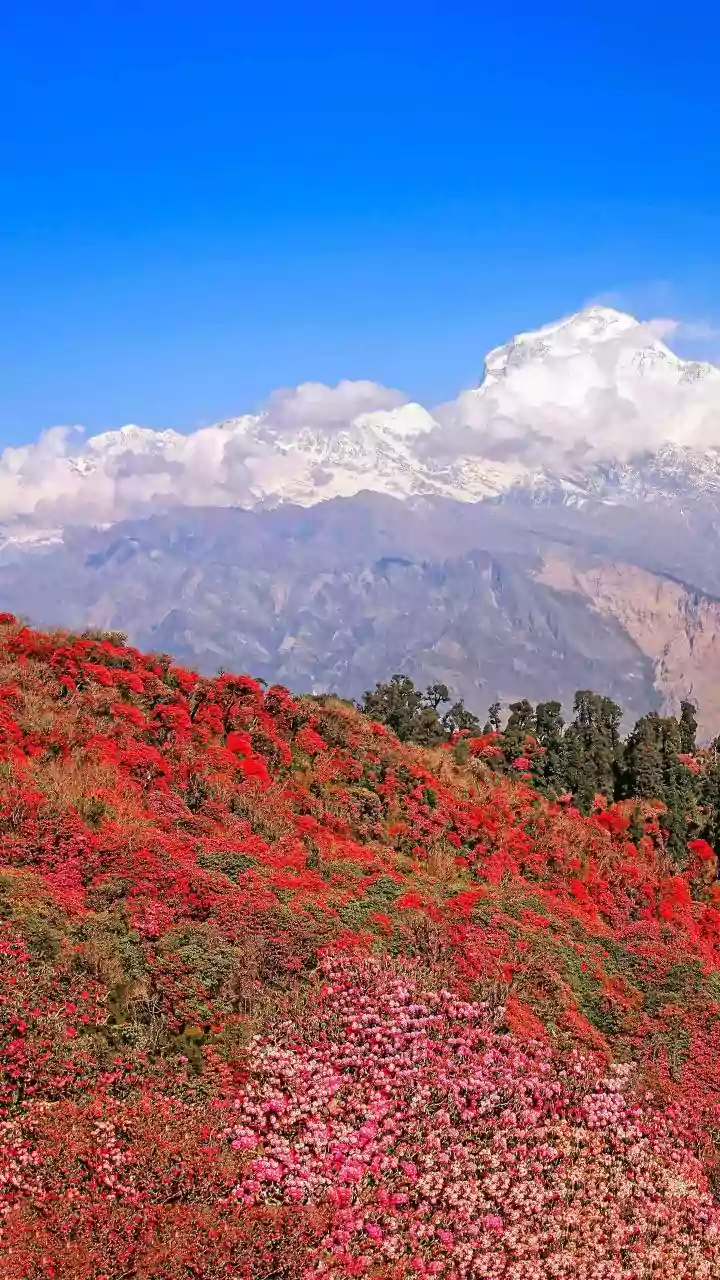
Beyond the spectacle, events like the Northeast India Festival serve a crucial purpose. For decades, the region has been misunderstood, grappling with geographic isolation and long-running political conflicts that have often defined its image in the national consciousness. This festival was a powerful act of cultural diplomacy and economic self-promotion. By showcasing its vibrant arts, breathtaking natural beauty, and warm hospitality, the region's leaders and artists are actively rewriting the narrative. The event was designed to attract tourists, connect artisans with new markets, and foster a sense of shared identity and pride among the diverse peoples of the Northeast. It was a declaration that the region is not a remote periphery but a cultural heartland with immense creative and economic potential, ready to engage with the rest of India and the world on its own terms.