





The New Travel Playbook
For decades, the classic Indian family vacation often involved packed itineraries, popular pilgrimage sites, and bustling tourist hotspots. But for many young Indians today—particularly Millennials and Gen Z—that model is losing its appeal. They are pioneering
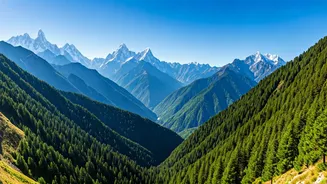
a different kind of travel, one defined by slower paces, smaller footprints, and deeper connections to the environment. This isn't just about avoiding crowds; it's a conscious choice. They are seeking out homestays in remote villages, trekking through the lesser-known valleys of the Himalayas, volunteering at wildlife sanctuaries, and staying in boutique eco-resorts that prioritize sustainability. This shift represents a move away from consumption-based travel toward experience-based journeys that offer personal growth and a genuine escape.
Drivers of the Green Wave
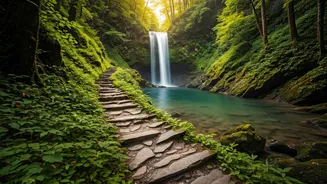
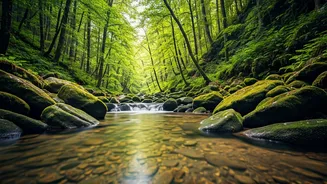
Several factors are fueling this eco-conscious trend. First, there's the inevitable burnout from hyper-urbanization. For a generation that grew up in some of the world's most densely populated and fast-paced cities like Mumbai, Delhi, and Bengaluru, the silence of a forest or the expanse of a mountain range offers a powerful antidote. Second, social media, while often a source of pressure, is also a catalyst. Instagram feeds are no longer just about glamorous cityscapes; they are filled with stunning, unfiltered images of mountain sunrises, hidden waterfalls, and serene jungle lodges, creating a new, nature-based travel aesthetic. Finally, a rising global consciousness around climate change and sustainability has found fertile ground among India's educated youth. They are increasingly aware of their environmental impact and prefer to spend their money with businesses that align with their values, turning a vacation into a statement of principle.
From Kerala's Backwaters to Himalayan Peaks
This trend is manifesting across India’s incredibly diverse geography. In the south, the tranquil backwaters of Kerala are seeing a rise in travelers opting for small, family-run homestays over large houseboats. In the north, states like Uttarakhand and Himachal Pradesh are magnets for trekking, camping, and spiritual retreats, with young people seeking solitude in the mountains. In the northeast, a region celebrated for its pristine landscapes and unique tribal cultures, travelers are exploring places like Meghalaya and Arunachal Pradesh, drawn by their reputation for community-led eco-tourism. Even classic destinations are being seen through a new lens. Instead of just visiting the main attractions in Rajasthan, travelers are seeking out stays at restored forts that now operate as heritage hotels with a focus on local employment and sustainable practices. These experiences prioritize authenticity over a polished, commercialized product.
More Than Just a Vacation
Ultimately, the rise of nature-friendly holidays is about more than just where young Indians are going; it’s about who they want to be. It reflects a search for meaning and authenticity in a rapidly modernizing world. Choosing a low-impact holiday is a quiet act of rebellion against the pressures of consumer culture. It signals a new status symbol, one that values mindfulness, environmental responsibility, and personal well-being over material luxury. This shift is forcing the Indian travel industry to adapt, creating new opportunities for rural communities and pushing sustainability to the forefront of the conversation. For this generation, a good trip doesn't just provide a temporary escape—it offers a chance to reconnect with nature, and with themselves.