



A Range Older Than the Himalayas
First, let’s get our bearings. The Western Ghats are a 1,000-mile-long chain of mountains running parallel to India’s western coast, influencing the weather patterns of the entire peninsula. A UNESCO World Heritage site and one of the world's most important
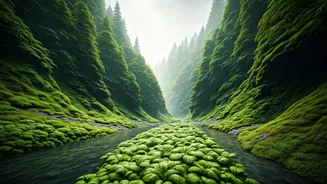
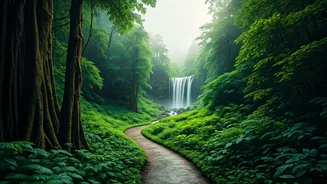
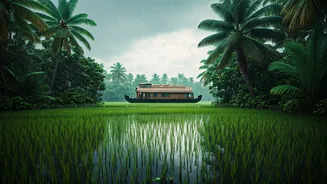
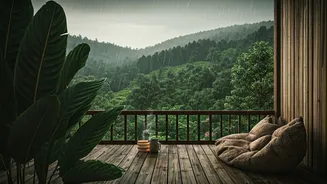
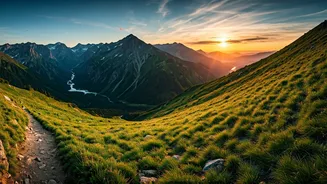
biodiversity hotspots, this isn't a new discovery—it's just newly accessible in a way that resonates with modern travelers. Spanning states like Kerala, Karnataka, and Tamil Nadu, these lush, rolling hills are a world away from the dusty clichés of India some tourists expect. Think mist-shrouded peaks, dense evergreen forests called 'sholas,' thundering waterfalls, and an almost prehistoric sense of tranquility. It's the scenic, dramatic backdrop for a travel experience that feels both adventurous and deeply restorative.
What Is the 'Glow-Up'?
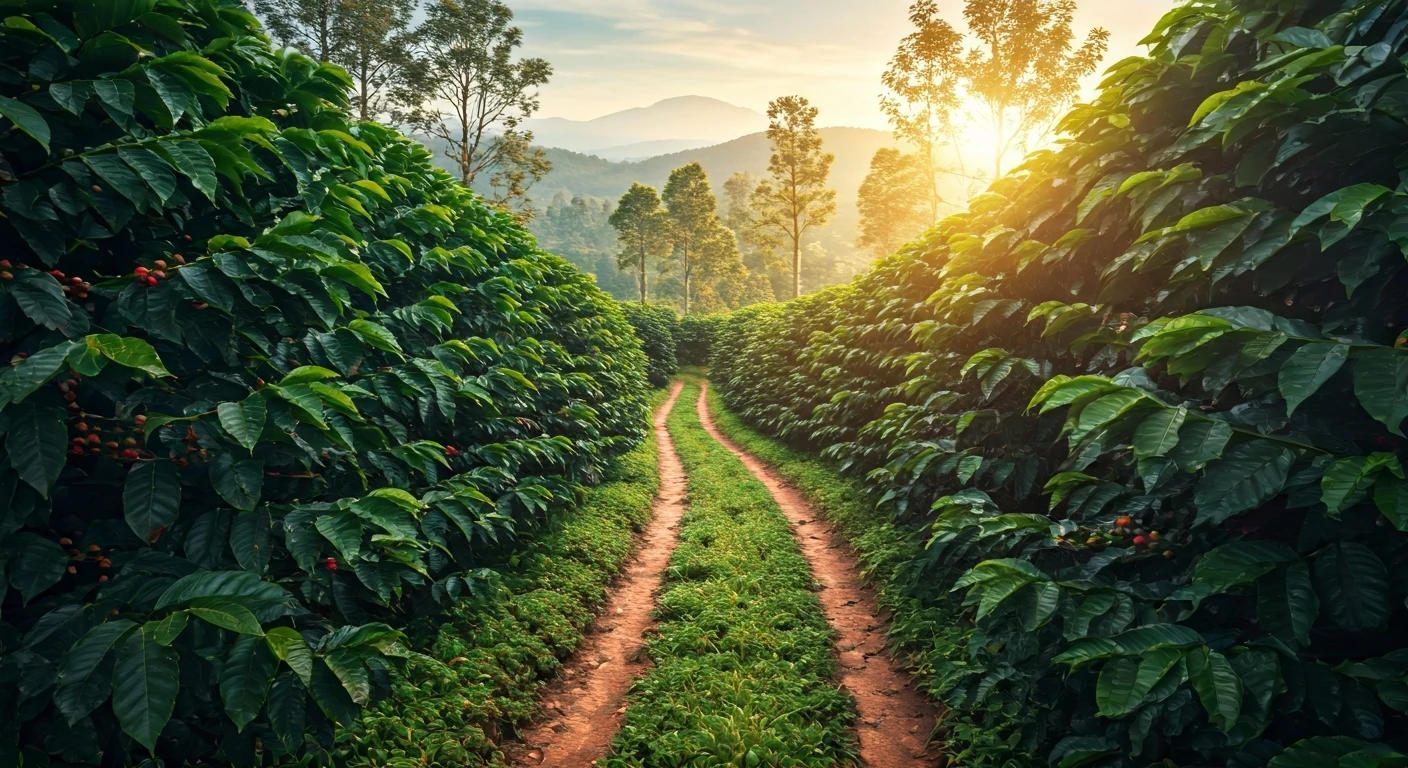
The transformation isn't about building massive, impersonal resorts. The “glow-up” in the Western Ghats is a conscious shift towards sustainable, experience-driven tourism that celebrates the region’s natural and cultural heritage. Instead of paving paradise, local entrepreneurs and conservation-minded hoteliers are creating intimate, low-impact properties that blend into the landscape. This includes beautifully restored colonial-era tea and coffee plantation bungalows, architecturally stunning eco-lodges, and luxurious homestays that offer a genuine connection to the place. The glow-up is also about improved accessibility and a new focus on wellness, adventure, and culinary travel, moving the region beyond a quick stopover to a destination in its own right—one that values quality over sheer quantity of visitors.
The New Breed of Luxury
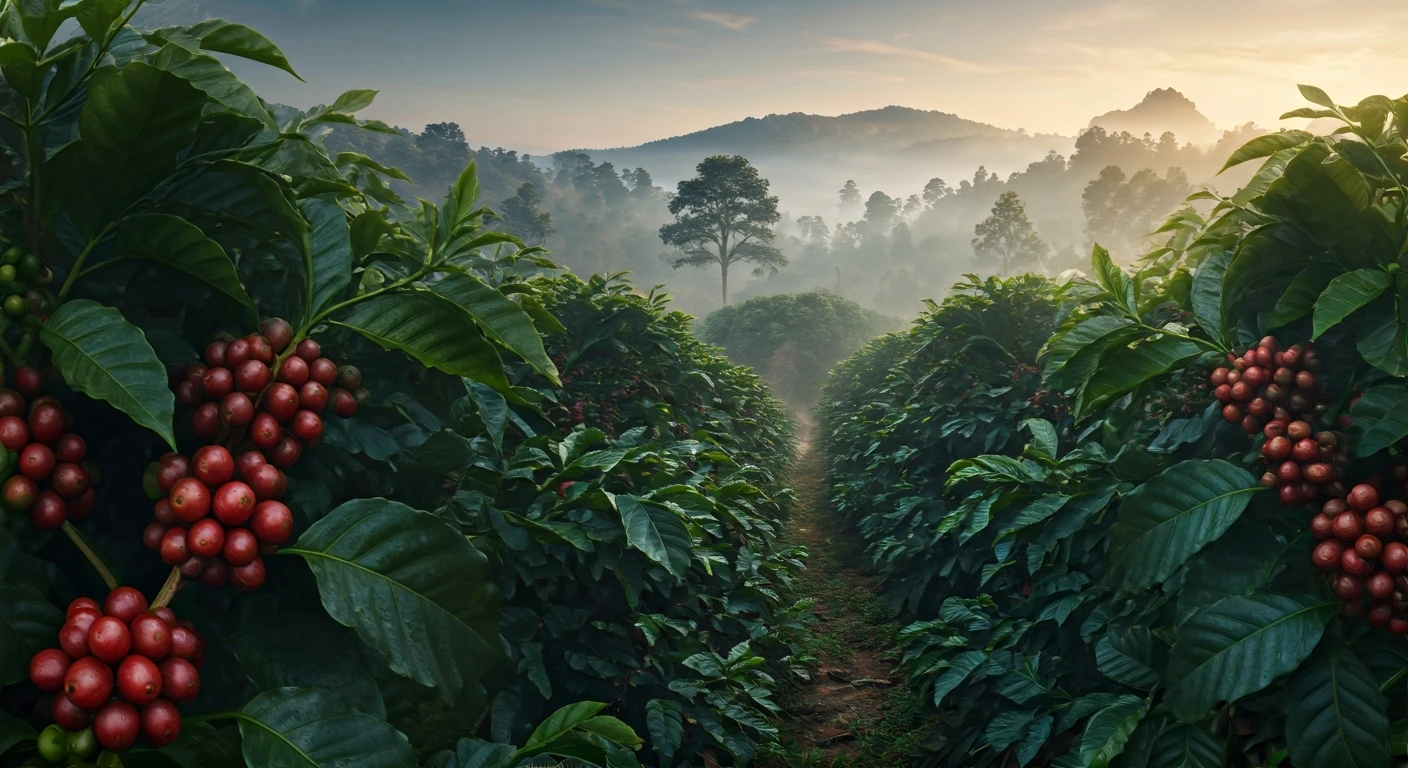
The lodging here is the destination. You won’t find sprawling, all-inclusive chains. Instead, the new standard is boutique and bespoke. Imagine waking up in a treehouse suite overlooking a coffee estate in Coorg, practicing yoga at a serene wellness retreat in the hills of Munnar, or staying in a private villa with its own naturalist guide. These places prioritize authenticity. Properties like Spice Tree in Munnar or Evolve Back in Coorg offer experiences rooted in the local environment—from guided spice plantation walks to lessons in the local Kodava cuisine. This approach redefines luxury not as gold-plated faucets, but as exclusivity, privacy, and a deep, meaningful connection to the stunning environment just outside your window.
Immerse Yourself in Nature
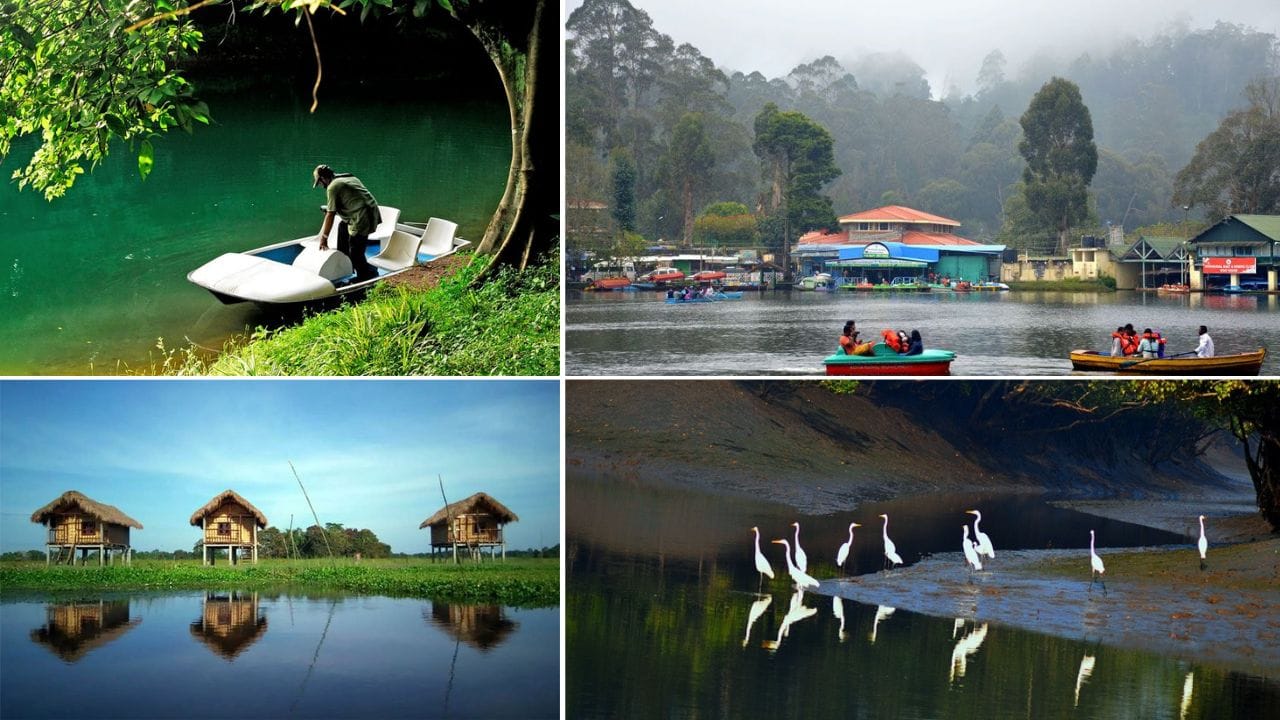
The Ghats are an adventurer's playground, teeming with life found nowhere else on Earth. The region is home to over 30% of India's flora and fauna, including elephants, tigers, leopards, and the endangered lion-tailed macaque. The glow-up has brought with it more organized and responsible ways to explore this natural wealth. You can take guided treks through the Nilgiri Biosphere Reserve, a vast protected area. Go on a jeep safari in Periyar National Park in Kerala to spot wild elephants bathing in the lake. Birdwatchers will be in heaven, with hundreds of endemic and migratory species. For a softer adventure, simply walking through a fragrant cardamom or pepper plantation is an intoxicating experience that connects you directly to the source of the world’s most coveted spices.
From Spice Trails to Farm Tables
The culinary scene is a core part of the region's renewed appeal. This isn't just about finding a good restaurant; it's about experiencing the landscape on your plate. The Western Ghats are the historic heart of the spice trade, and the food reflects that rich legacy. In Kerala, you can savor a complex, multi-course vegetarian 'sadhya' served on a banana leaf. In Coorg, the cuisine is distinctively different, known for its use of local produce and signature dishes like 'pandi' (pork) curry. The new wave of boutique hotels and homestays has embraced the farm-to-table ethos, with many growing their own organic produce and offering cooking classes that demystify the art of using fresh spices.