
The End of Stunt Food
For years, the dominant online food culture was one of performative complexity. Think multi-day sourdough projects, towering layer cakes with mirror glazes, and recipes requiring three obscure appliances and a trip to a specialty market. It was food as a competitive
sport, designed to signal skill, time, and resources. But a collective exhaustion has set in. After a period of intense domesticity and economic shifts, the appetite for culinary peacocking has faded. We’re tired. We’re busy. And frankly, we’d rather be enjoying the sunshine than spending four hours crafting a single, high-stakes dish. The new food hero isn’t the chef who can do the most; it’s the home cook who can create something beautiful with the least amount of fuss.
Rise of the Elevated Basic
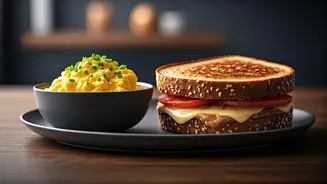
The core of this new trend is the “elevated basic.” It’s about taking a humble, everyday food item and making it look like a million bucks with just a few clever additions. The quintessential example? Fancy toast. A thick slice of good bread becomes a canvas for swirls of ricotta, artfully arranged avocado, a drizzle of hot honey, and a sprinkle of flaky salt and chili flakes. It takes five minutes to assemble but looks like it came from a trendy café. The same logic applies to cottage cheese bowls topped with colorful fruit and nuts, or a simple can of tinned fish plated with herbs, lemon, and crackers. The ingredients are accessible and the technique is minimal, but the final product is undeniably photogenic. It delivers the dopamine hit of creating something beautiful without the associated labor.
The 'Girl Dinner' Ethos
No trend better captures this spirit than the viral phenomenon of “girl dinner.” What started as a TikTok inside joke has blossomed into a full-blown culinary movement. At its heart, a girl dinner is a plate of snacks—bits of cheese, a handful of grapes, some crackers, pickles, maybe a few slices of salami. It’s a deconstructed meal that requires zero cooking and can be assembled from whatever is in the fridge. It’s the ultimate expression of sensible eating: low-effort, personalized, and visually interesting in its own chaotic, grazing-board way. It rejects the formal structure of a protein, starch, and vegetable, celebrating instead a meal that is pure ease and personal satisfaction. It’s a permission slip to eat what you want, how you want, and still make it feel like a special occasion.
Let the Ingredients Do the Work
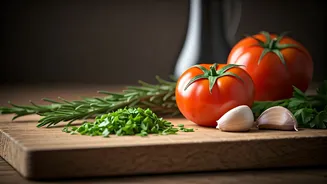
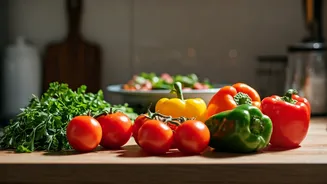
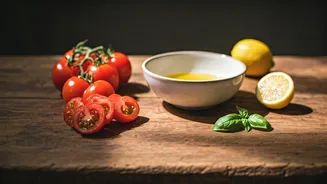
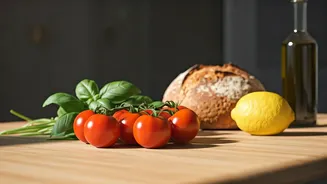
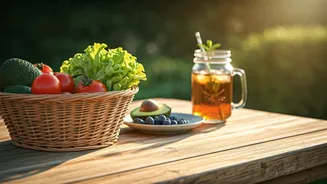
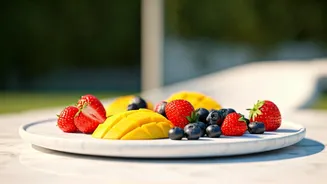
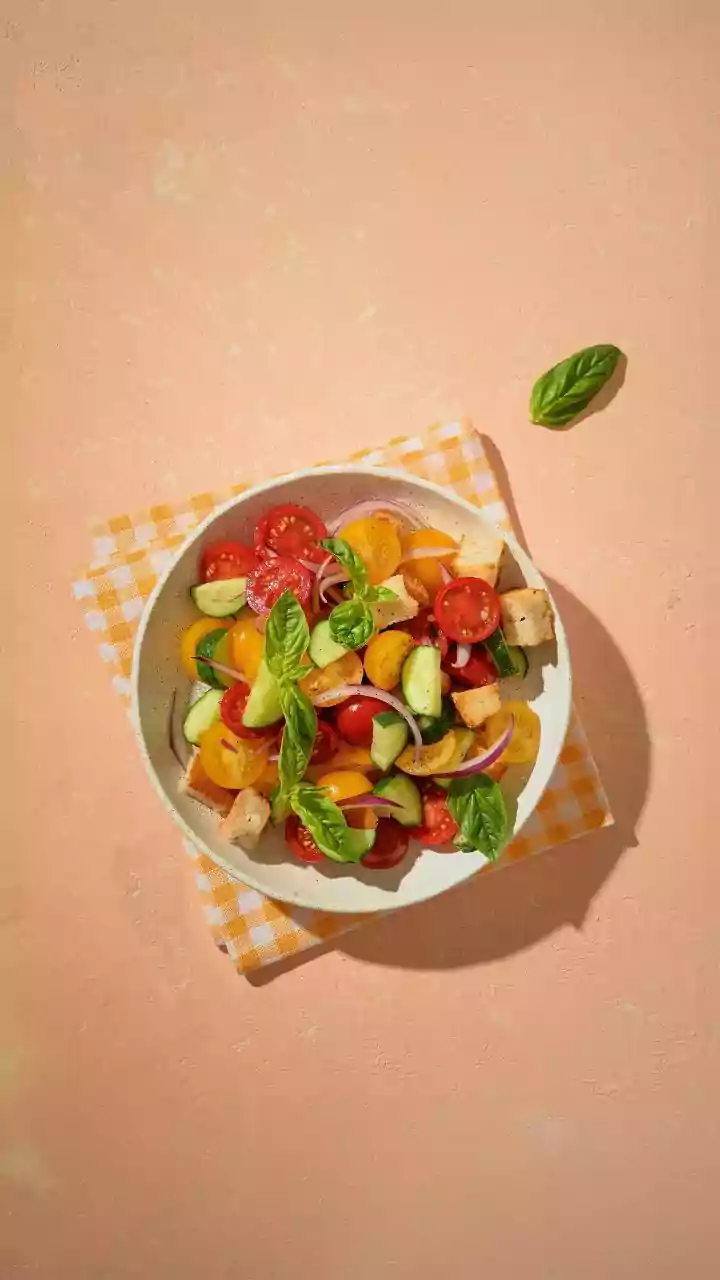
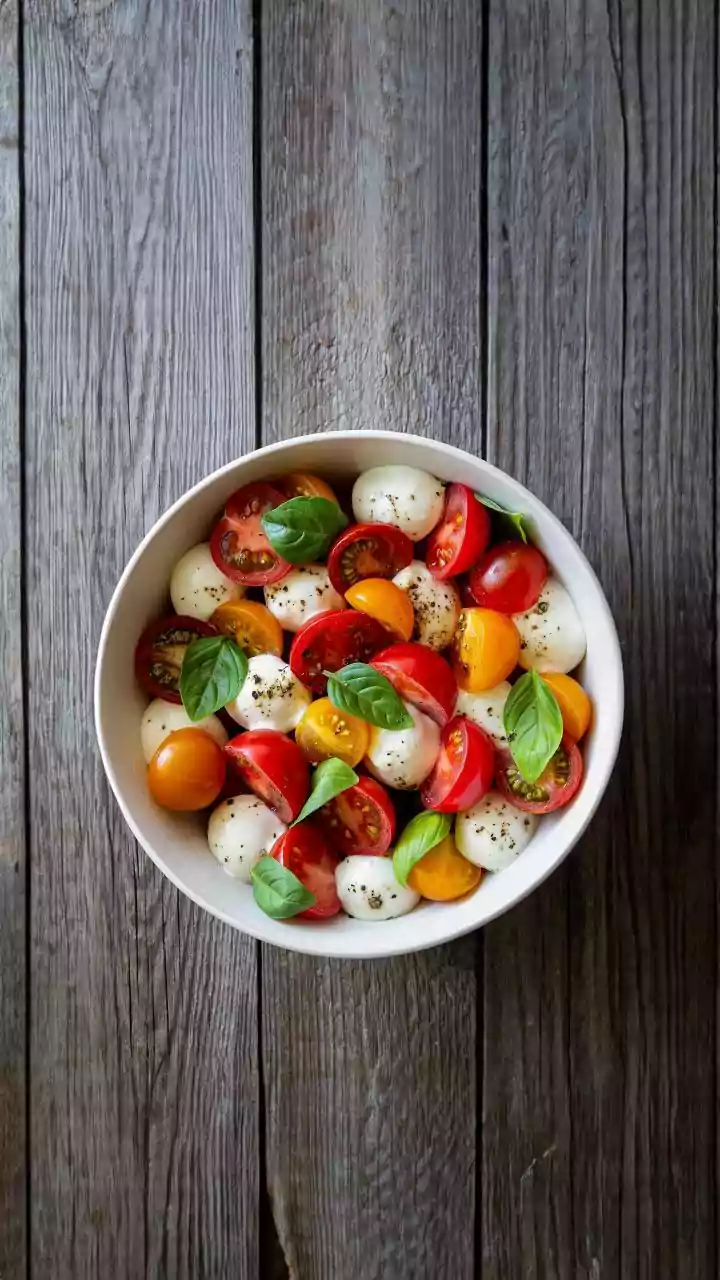
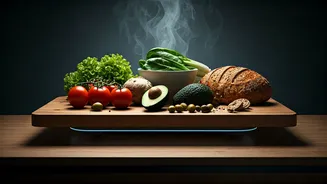
A key principle of this visual-but-sensible approach is letting high-quality, seasonal ingredients provide the “wow” factor themselves. Summer is the perfect time for this. A platter of sliced heirloom tomatoes in various colors, drizzled with good olive oil and sprinkled with basil, is stunning. A bowl of vibrant, mixed berries needs no accompaniment to be a visual feast. The modern summer salad isn’t about complex vinaigrettes; it’s a “big salad” piled high with colorful, contrasting textures—crunchy lettuce, creamy avocado, bright bell peppers, and maybe some grilled corn. The beauty comes from the produce itself, not from intensive preparation. This approach not only saves time but also honors the flavors of the season, putting fresh, simple tastes at the forefront.
Why This Trend Is Winning Now
This shift isn’t happening in a vacuum. It’s a direct response to our current reality. Economically, with grocery prices remaining high, elaborate recipes with long ingredient lists are less appealing. The elevated basic makes a little go a long way. Socially, there's a growing desire for authenticity and less performance. We want to share our lives, but in a way that feels more genuine and less curated. Posting a picture of a beautiful but simple plate of food says, “I’m enjoying my life, and you can too, without all the stress.” It’s a quieter, more confident form of good taste, one that prioritizes personal pleasure over public praise. It’s food that serves the person eating it, not just their online audience.