




More Than an Ocean of Sand
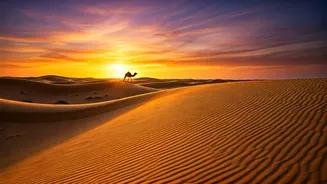
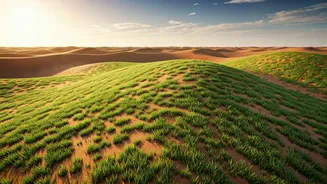
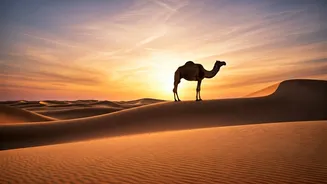
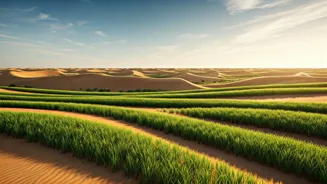
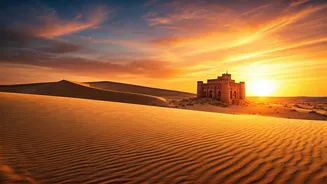
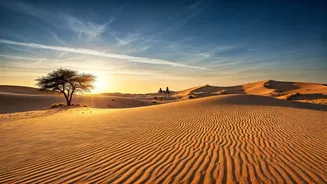
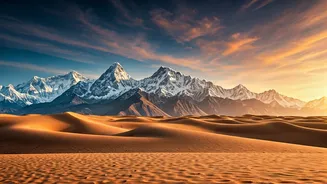
The first surprise the Thar offers is its texture. While the iconic image is of the Sam Sand Dunes near Jaisalmer, where tourists ride camels into a rippling sunset, much of the Great Indian Desert is not sand at all. It’s a complex ecosystem of thorny
scrubland, rocky plateaus, and gravel plains. The word for desert in Hindi is Marusthali, or “land of the dead,” but the name is a misnomer. This is a living landscape, shaped by millennia of human and animal adaptation. It’s a place where sparse, resilient trees cast sharp shadows and where vast, cracked salt flats glimmer under the sun like frozen lakes. The initial impression of emptiness quickly gives way to a sense of subtle, stubborn life. The dryness is real, the golden hues are ever-present, but the monotony is a myth.
A Kaleidoscope of Culture
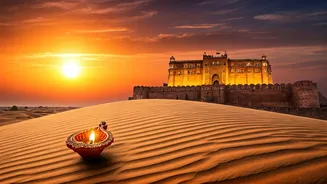
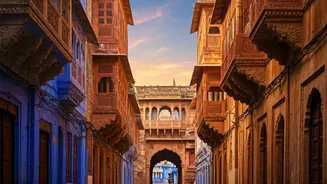
The greatest paradox of the Thar is how its muted landscape serves as a canvas for one of the world's most vibrant cultures. As you travel through Rajasthan, the state that contains most of the desert, you'll see women walking along dusty roads in saris of electric pink, canary yellow, and emerald green—brilliant splashes of color against the beige earth. The cities themselves are monuments to this aesthetic. Jodhpur is the “Blue City,” with houses painted a cool indigo to repel heat and insects. Jaisalmer, the “Golden City,” is carved from yellow sandstone that makes the entire fortress-city appear to be a mirage rising from the desert floor. This is a land of storytellers, puppeteers, and folk musicians whose songs speak of legendary kings, star-crossed lovers, and the life-giving importance of rain. The annual Desert Festival in Jaisalmer is a riot of turban-tying competitions, camel races, and folk dances, a defiant celebration of life in a place that demands resilience.
Where Stubborn Wildlife Thrives
A landscape this arid shouldn't support much wildlife, yet the Thar is home to a surprising array of fauna. Drive through the Desert National Park and you may spot the elegant chinkara, or Indian gazelle, bounding gracefully across the scrub. At dusk, you might catch a glimpse of the elusive desert fox or the long-eared desert cat. The region is also a haven for birdwatchers. But its most famous resident is the critically endangered Great Indian Bustard, one of the heaviest flying birds in the world. These majestic, ostrich-like birds stride across the grasslands, a symbol of the desert's fragile but tenacious biodiversity. The local Bishnoi community, known for their deep-rooted conservationist beliefs, have played a crucial role in protecting this wildlife for centuries, offering a powerful lesson in coexistence between humans and nature.
Forts Forged in History
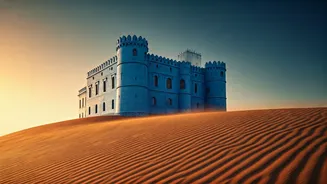
The Thar Desert is not an empty space to be crossed; it's a historical heartland that has been commanded, defended, and adorned for a thousand years. The skyline is dominated by some of India's most formidable and romantic forts. These aren't sterile ruins; many are living structures. The Jaisalmer Fort is a UNESCO World Heritage site and one of the few “living forts” in the world, with thousands of people still residing within its ancient walls, running shops, guesthouses, and temples. Further east, the colossal Mehrangarh Fort in Jodhpur looms over the city from a 400-foot cliff, its ramparts offering breathtaking views and its palaces containing a treasure trove of art and armor. These fortresses tell stories of Rajput kings, Mughal sieges, and the immense wealth generated from ancient caravan routes that once crisscrossed this very desert, connecting Persia and Central Asia with the Indian subcontinent. They stand as golden-stone testaments to the power, wealth, and artistry that this “barren” land has inspired.