
The Backlash to Bare Walls
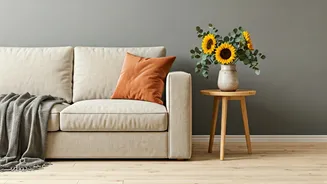
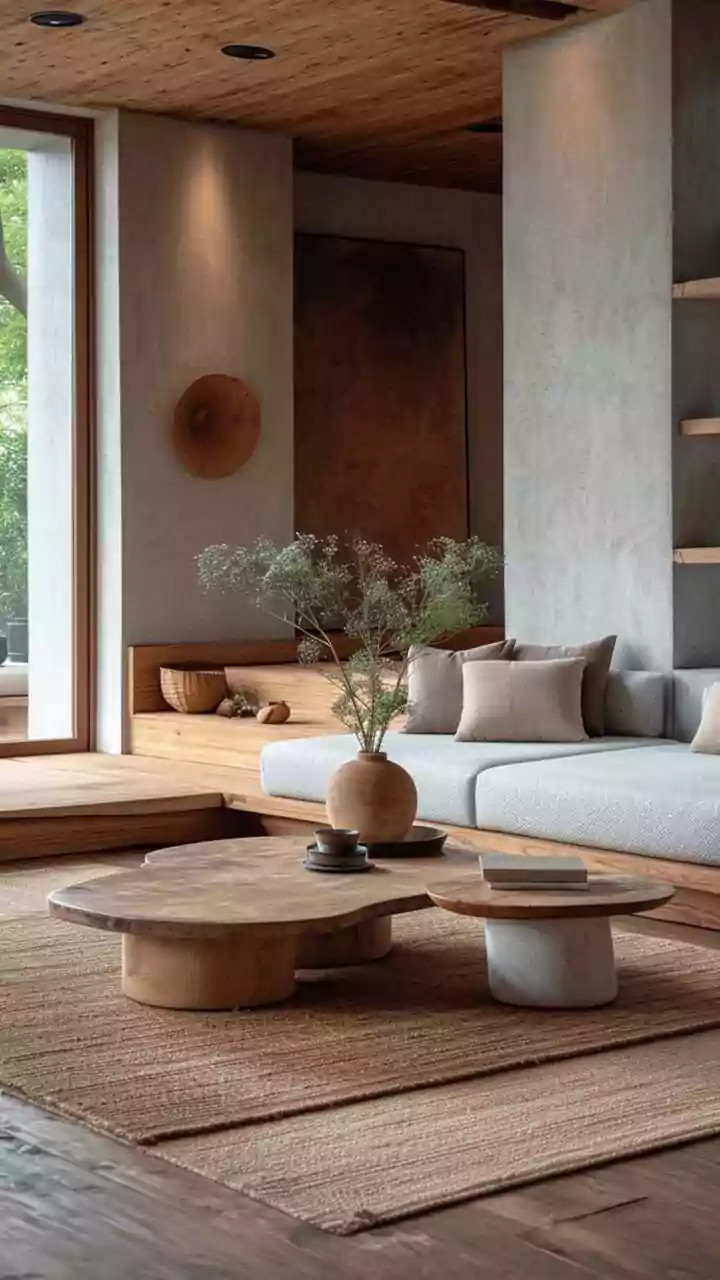
Remember the great decluttering craze? For much of the 2010s, the dominant aesthetic was a stark, Scandinavian-inspired minimalism. Influencers showcased pristine white kitchens, living rooms with a single, lonely cactus, and closets where every possession
was meant to ‘spark joy’—or be ruthlessly discarded. The goal was to curate a life free of physical and visual baggage, creating a serene, showroom-like environment. But a funny thing happens when everyone’s home starts to look like the same page of a West Elm catalog: it gets boring. A palpable sense of fatigue has set in. This aesthetic, while clean, often felt impersonal and cold. The backlash isn’t about embracing chaos; it’s a deliberate pivot toward warmth, personality, and the beautiful, messy narrative of a life well-lived. People are realizing that a home isn't an art gallery for an idealized self, but a nest built from the twigs and branches of real experience.
More Than Just Stuff
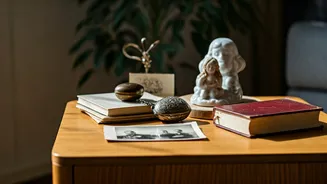
The return of heirlooms is about much more than just a change in decorating trends. It’s a profound search for tangible connection in an overwhelmingly digital world. Think about it: our photos live in a nebulous cloud, our memories are chronicled on social media feeds that will be obsolete in a decade, and our connections are often mediated through screens. In this context, a physical object from the past holds immense power. That faded photograph of a great-grandmother you never met, your grandfather’s worn-out armchair, or a chipped porcelain dish from a family celebration—these aren't just ‘things.’ They are artifacts. They are proof of a story that began before you. They offer a tactile link to your own history, a grounding force in a fast-paced, disposable culture. Unlike a digital file, an heirloom can be held, its textures felt, its imperfections observed. It's a piece of history that you can touch, a direct line to the people and places that shaped you.
A Cross-Generational Craving
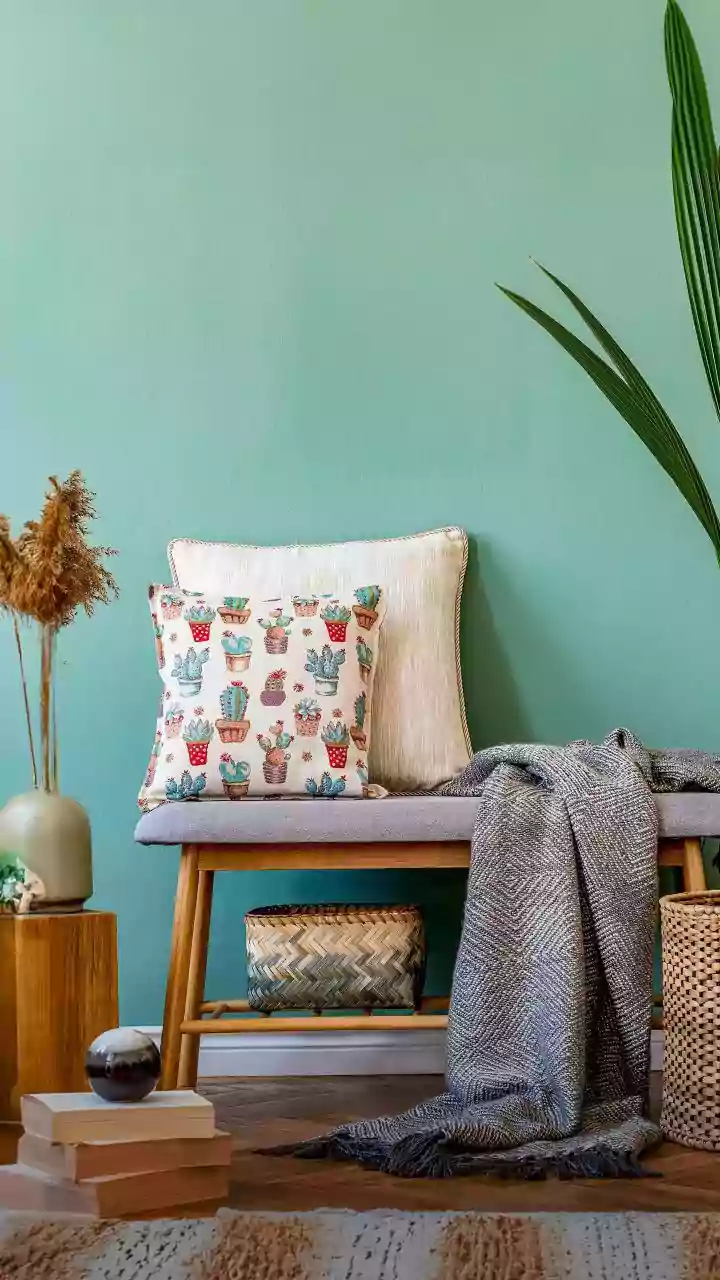
Interestingly, this trend is being driven by the very generations who grew up with the internet. ‘Grandmillennials’—a term for millennials who embrace traditional, even grandmotherly, design—were among the first to champion the return of chintz, needlepoint pillows, and inherited brown furniture. They mix these classic pieces with modern art and clean lines, creating a style that is both nostalgic and fresh. Close behind them is Gen Z. As true digital natives, they have a keen appreciation for all things analog and authentic. This is the generation bringing back film cameras, vinyl records, and handwritten letters. For them, an old family photo or a quirky inherited lamp is the ultimate unique find. It’s a way to cultivate a personal aesthetic that can’t be replicated by an algorithm or bought from a fast-fashion home goods store. It’s a statement of individuality, rooted in a story that is uniquely their own.
Curating a Personal Museum
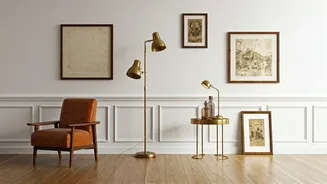
This movement is not about hoarding or recreating a dusty, cluttered past. The modern approach is one of careful curation. It’s about creating what designers call a ‘collected’ look. Instead of hiding old photos in an album in the attic, people are creating striking gallery walls that mix black-and-white family portraits with modern prints. An ornate, inherited antique mirror might hang in an otherwise minimalist entryway, creating a dramatic focal point. A set of vintage plates is displayed on the wall instead of being hidden in a cabinet. The key is the mix. By placing these meaningful objects in conversation with contemporary pieces, they are given new life and new context. The home transforms from a mere living space into a personal museum, where every object on display has been chosen not just for its aesthetic value, but for the story it tells and the memories it holds.