


Beyond the 'Special Occasion' Meal
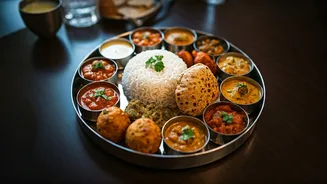
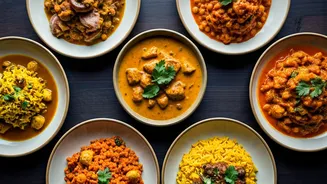
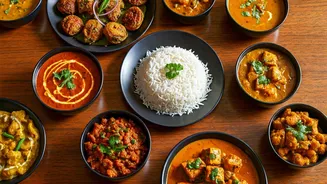
Picture a classic Indian feast in the American imagination. It’s likely a table laden with creamy dal makhani, velvety butter chicken, and pillowy naan—dishes that are undeniably delicious but often relegated to the category of a heavy, indulgent splurge.
For years, this restaurant-style Northern Indian fare has defined the cuisine for many outside the diaspora. It's seen as a treat, a departure from the everyday, and, frankly, something you might need a nap after eating. This perception, while rooted in the popularity of specific dishes, misses the vast, nuanced landscape of Indian home cooking. It also created a cultural dilemma: how can a cuisine so integral to daily life for over a billion people be seen primarily as an occasional indulgence? This is the question a new generation of chefs, cookbook authors, and home cooks are implicitly answering. They’re not canceling butter chicken; they’re expanding the definition of Indian food itself, pushing back against the stereotype and ushering in an era where balance is the main ingredient.
The New Guard of Chefs
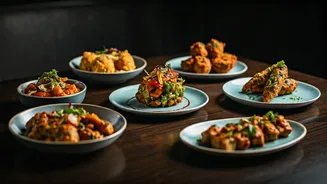
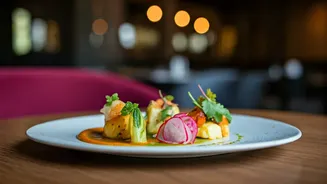
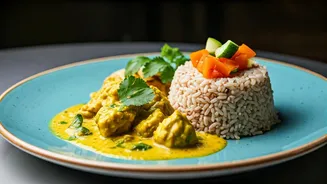
At the forefront of this shift are second- and third-generation Indian-American chefs who are fluent in two culinary languages. They grew up eating their parents' traditional home cooking but were also shaped by the American food landscape with its emphasis on local sourcing, seasonality, and lighter preparations. Chefs like Chintan Pandya of the Unapologetic Foods group in New York City or Meherwan Irani of Chai Pani, with locations across the Southeast, aren't just recreating old recipes. They are reinterpreting them. They dig into regional specificities, highlighting street foods and hyper-local dishes that were never part of the standard American curry house menu. Their approach often involves using less ghee and cream, not as a sacrifice, but as a way to let the core ingredients and complex spices shine. They might use a high-quality, locally sourced vegetable as the star of a dish, apply a traditional spice blend, and use a technique like grilling or roasting instead of slow-simmering in a heavy sauce. The result is food that feels both authentically Indian and refreshingly modern—vibrant, complex, and light enough to eat regularly.
Rediscovering What Was Already There
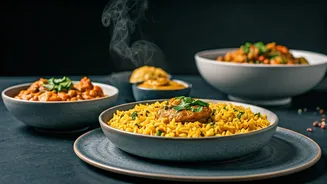
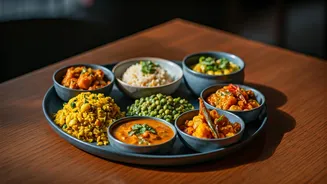
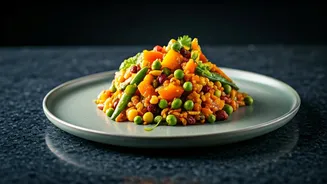
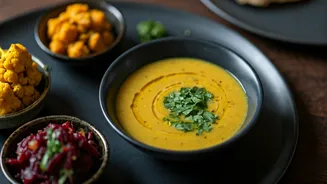
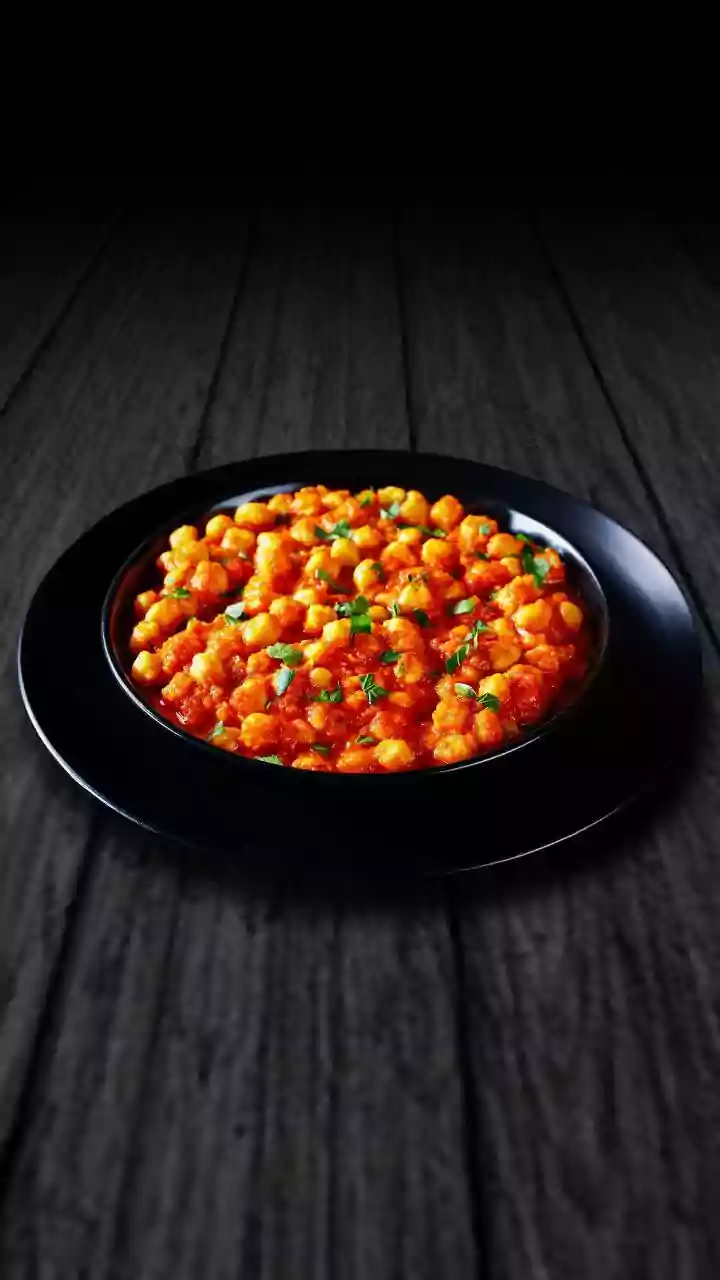
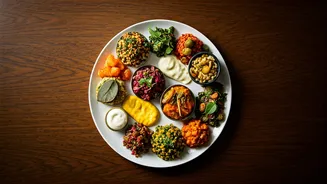
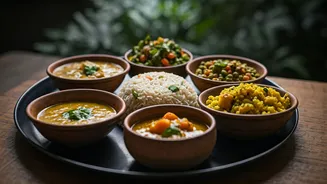
This “balanced era” isn’t just about invention; it’s about rediscovery. A huge part of this movement is the championing of dishes that were balanced and healthy all along. Indian cuisine is not a monolith. It’s a collection of dozens of distinct regional traditions, many of which are predominantly plant-based and rely on simple, nourishing ingredients. Think of the lentil-and-vegetable stews (sambars and dals), steamed rice cakes (idlis), and light vegetable stir-fries (poriyals or sabzis) that form the backbone of daily meals in millions of Indian households. For years, these dishes were rarely the stars of restaurant menus. But now, they are being celebrated. Modern cookbooks and food blogs are teaching Americans how to make a simple, perfect tadka dal or a seasonal sabzi using whatever is fresh at the farmers' market. This shift educates the public that Indian food isn't just one thing. It can be a light lunch of khichdi (a comforting rice and lentil porridge) just as easily as it can be a celebratory biryani.
From Home Kitchens to Instagram Feeds
The trend has been supercharged by social media and a new wave of influential cookbook authors. Writers like Priya Krishna, with her book *Indian-ish*, have given a voice to the everyday reality of Indian-American home cooking, which creatively fuses traditions with American pantry staples. These recipes are accessible, adaptable, and designed for a modern lifestyle. Simultaneously, home cooks are turning to their own family histories, asking parents and grandparents for the recipes of everyday meals, not just the elaborate ones for holidays. They’re learning that the secret to their grandmother's amazing cauliflower wasn’t a cup of cream, but perfect spicing and technique. This return to foundational, everyday cooking—shared through Instagram reels and TikTok tutorials—is demystifying the cuisine and empowering a new generation to embrace Indian food as a source of daily wellness, not just occasional comfort.