





Why Weather Is No Longer Just Small Talk
Remember when the biggest weather-related travel worry was a rainout on a beach day? Those days are over. In today’s travel landscape, climate volatility has become a co-pilot for every journey. Extreme weather events—once considered rare anomalies—are
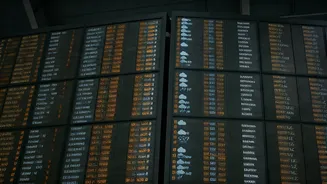
now a regular feature of the news cycle and a direct threat to travel plans. Raging wildfires in Canada and Hawaii ground flights with smoke. Atmospheric rivers in California cause widespread flooding and travel chaos. Oppressive “heat domes” across Europe and the southern U.S. make daytime sightseeing not just unpleasant, but dangerous. This isn't about bad luck; it's a new statistical reality. Airlines are canceling more flights due to severe weather, travel insurance policies are being rewritten to account for new climate risks, and entire destinations are seeing their peak seasons shift. As a result, savvy travelers are realizing that ignoring the long-range forecast or historical climate data is as risky as booking a non-refundable flight without checking your calendar.
The Rise of Climate-Conscious Booking Tools
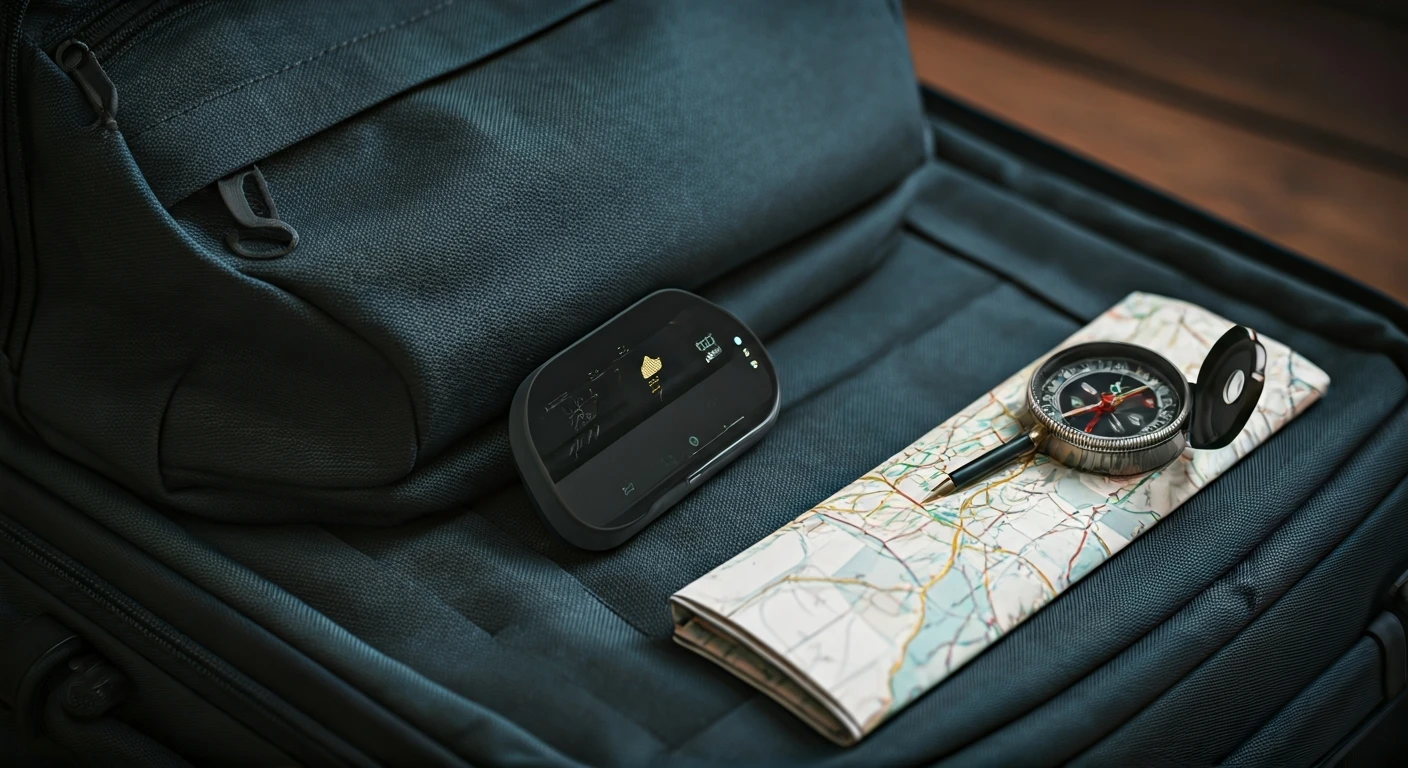
The travel industry is slowly catching up to this new reality. While no single app perfectly syncs a 10-day forecast with real-time flight prices, a new suite of tools and strategies is emerging. Travelers are now using a two-screen approach: a fare aggregator like Google Flights or Kayak on one, and a sophisticated weather source on the other. Instead of just looking at the immediate forecast, they’re digging into historical climate data on sites like the National Oceanic and Atmospheric Administration (NOAA) or using services like Time and Date, which offer detailed weather history for destinations worldwide. This helps answer crucial questions: What was the average temperature and rainfall for this exact week last year? How many days of extreme heat did this city experience last August? Some forward-thinking startups are even developing tools that provide “climate scores” for destinations, helping you gauge the likelihood of encountering wildfires, hurricanes, or floods during your chosen travel window. It's a data-driven approach to minimizing risk and maximizing enjoyment.
Shoulder Season's New Superpower
This new focus on weather is breathing fresh life into the “shoulder seasons”—the periods just before and after a destination’s peak season. For years, the appeal of shoulder season was primarily financial: fewer crowds and lower prices. Now, it has a powerful climate advantage. As peak summer months in many northern hemisphere destinations become increasingly prone to scorching heatwaves, the milder temperatures of May, June, September, and October become far more appealing. A trip to Italy in September might offer pleasant, sun-drenched days instead of the sweltering, energy-sapping heat of August. A visit to a U.S. national park in the late spring could mean avoiding the peak summer wildfire risk. By cross-referencing fare calendars with historical temperature charts, travelers can pinpoint a sweet spot where pleasant weather, lower costs, and manageable crowd levels align. The forecast is no longer just predicting the weather; it's revealing a new, better time to travel.
Your Pre-Booking Weather Checklist
Ready to make forecasts and fares your power combo? Before you click “buy,” run through this mental checklist. First, define your weather tolerance. Are you okay with a few rainy days, or will a heatwave completely ruin your trip? This will guide your destination choice. Second, research historical patterns for your target dates. Don’t just look at average temperatures; look for the frequency of extreme events. Third, check long-range seasonal outlooks from official sources like the Climate Prediction Center, which provide general trends for temperature and precipitation months in advance. Fourth, for risk-prone areas (like the Caribbean during hurricane season or California in the fall), build in a buffer. Consider booking flexible accommodations and always, always purchase robust travel insurance that specifically covers weather-related cancellations and interruptions. Read the fine print to understand what is and isn't covered. This proactive planning transforms you from a potential victim of circumstance into an empowered traveler.