



An Arrival, Not Just a Check-In
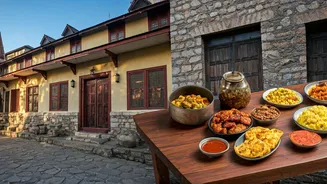
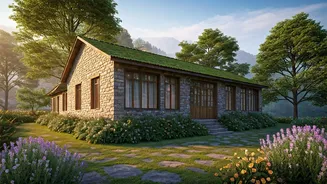
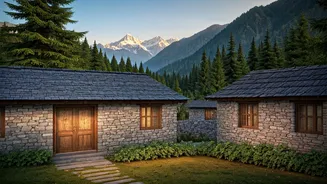
Forget the sterile lobbies and anonymous corridors of a typical hotel. Arriving at a heritage homestay in the hills above Nainital is an immersion. The house, often a century old, isn't built on the land but seems to have grown from it. It’s a structure
of local stone, its cool, grey walls punctuated by a sloping slate roof designed to shrug off heavy monsoon rains and winter snow. The most striking feature is the intricate woodcarving, a Kumaoni art form called *likhai*. Balcony railings, window frames, and the heavy main door are covered in patterns of flowers, deities, and geometric designs, each chiseled by hand generations ago. This isn't decoration; it’s a storybook written in deodar wood, a testament to a time when beauty and utility were one and the same.
The Soul of the Home
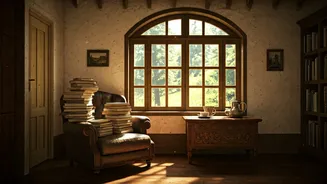
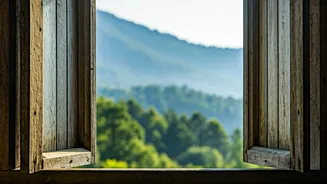
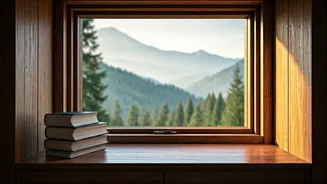
Inside, the home is built around a central courtyard, or *aangan*, open to the sky. This is the heart of the Kumaoni home, a space for sunning, socializing, and quiet contemplation. Rooms branch off from it, their low doorways encouraging a slight bow of the head, a gesture of humility. The floors are often stone or packed earth, cool underfoot, and covered with hand-woven rugs. The furniture is sparse but solid—heavy wooden chests, low-slung beds, and cozy nooks by windows that frame staggering views of the surrounding peaks or the glittering expanse of Naini Lake below. There’s no minibar, no television blaring in the corner. Instead, the soundtrack is the wind whistling through the pines, the distant call of a barking deer, and the gentle clatter of chai glasses from the kitchen.
A Taste of the Mountains
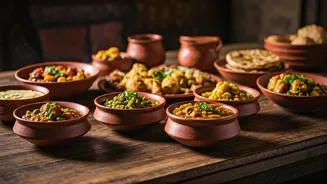
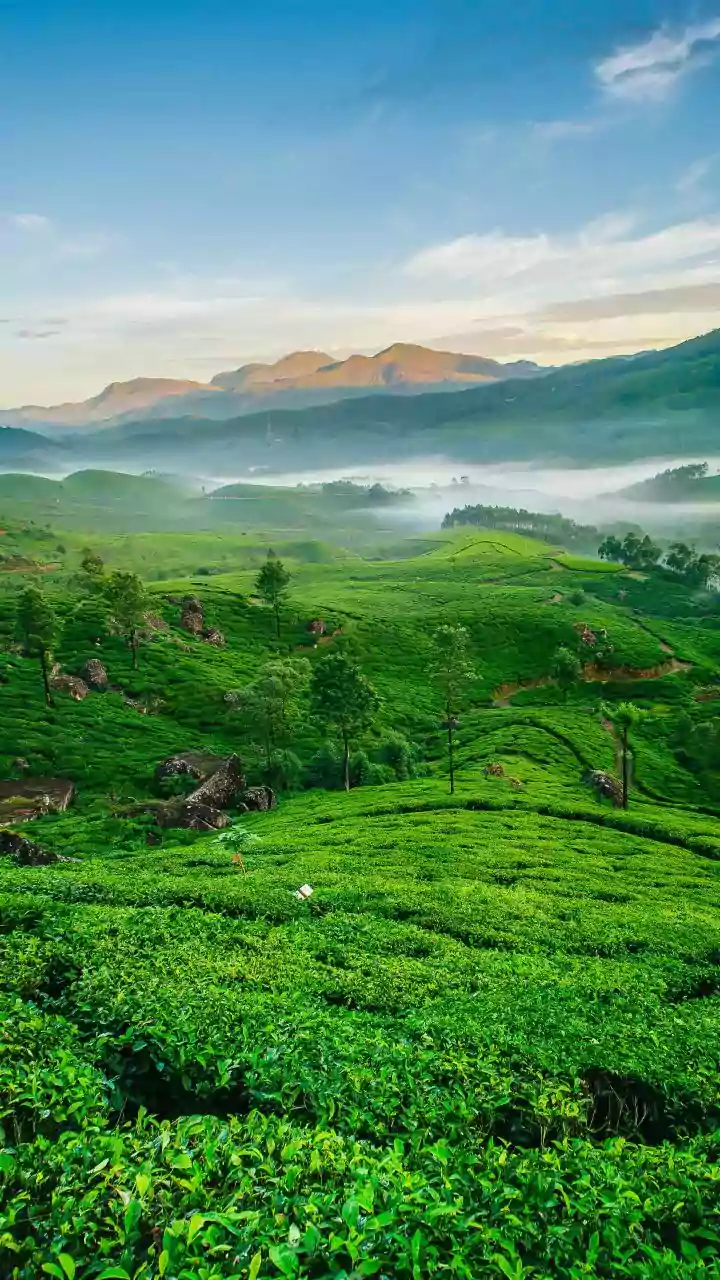
To stay here is to eat here, and the food is a revelation. Kumaoni cuisine is simple, rustic, and deeply connected to the land. Meals are prepared not by a professional chef, but by the family that runs the homestay, using recipes passed down through generations. You’ll find no avocado toast on the menu. Instead, there’s *bhatt ki churkani*, a savory black bean curry; *madua ki roti*, a hearty flatbread made from finger millet; and a tangy dip made from wild nettles, surprisingly delicious and packed with nutrients. Everything is hyper-local. The vegetables come from the terraced garden clinging to the hillside below the house, the milk from a neighbor’s cow, and the herbs from the surrounding forest. Eating here feels less like a transaction and more like being a welcome guest at a family table.
The Luxury of a Slower Pace
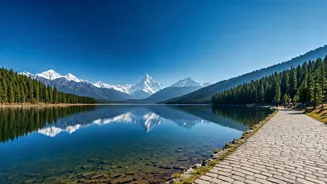
The real luxury of a Kumaoni homestay isn’t in thread counts or fancy amenities; it’s in the deliberate slowness of life. Days are measured by the shifting light on the mountains. A morning might be spent with a book and a cup of ginger tea on the veranda, watching clouds drift across the valley. An afternoon might involve a gentle hike along a trail used by shepherds for centuries, leading to a hidden waterfall or a clearing with a panoramic view of the snow-capped Himalayas. The hosts, who are less proprietors and more cultural guides, might share stories of the region, its folklore, and its connection to the sacred mountains. This isn’t a vacation for filling a schedule, but for emptying the mind. It’s an invitation to disconnect from the digital world and reconnect with something more fundamental.