

An Island Out of Time
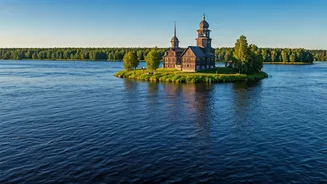
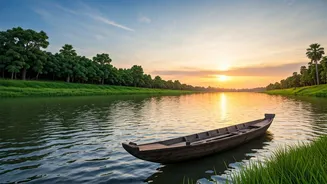
Getting to Majuli is the first lesson in slowing down. Located in the Indian state of Assam, it’s the world's largest river island, and the only way to reach it is by a slow, rumbling ferry. As the boat chugs away from the mainland, carrying a motley
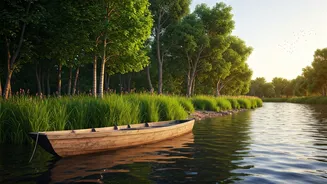
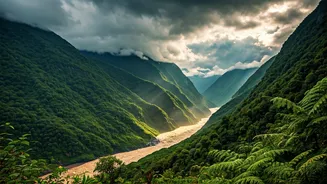
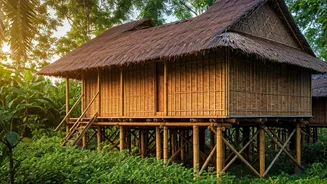
collection of cars, motorcycles, and locals, the noise of the city fades, replaced by the rhythmic churn of water and the vast, open sky. The journey itself recalibrates your internal pace. When you finally disembark onto the island’s sandy banks, you’re not just in a new place; you’re in a new state of mind. Majuli is a land of bamboo stilt houses, emerald-green rice paddies, and winding, unpaved roads. There are no traffic lights, no shopping malls, and no urgent appointments. Life here is dictated not by the clock, but by the rising and setting of the sun and the moods of the river that surrounds it.
The Living Heart of Sattra Culture
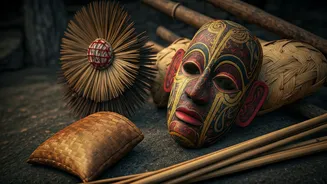
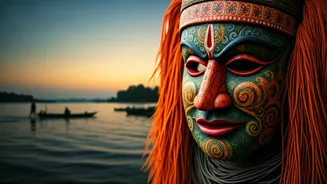
What truly sets Majuli apart is its role as the cradle of Neo-Vaishnavism, a monotheistic stream of Hinduism that has flourished here for 500 years. The island is dotted with dozens of ‘Sattras,’ which are not just monasteries but living cultural institutions. These serene complexes are home to monks who dedicate their lives to worship and the preservation of traditional arts. Visiting a Sattra isn’t like touring a sterile museum. You can watch young boys being trained in classical Sattriya dance, see artisans crafting intricate masks for religious performances, or simply sit and listen to the hypnotic chanting that echoes through the prayer halls. These are not performances for tourists; they are the island's cultural heartbeat. Engaging with the Sattras offers a rare glimpse into a spiritual tradition that has remained largely untouched by the modern world, providing a depth of experience that a quick photo-op could never capture.
Life Governed by Nature's Rhythms
The people of Majuli, primarily from the Mishing and Deori tribes, live in profound harmony with their environment. Their distinctive bamboo homes are built on stilts to accommodate the Brahmaputra’s annual flooding—a yearly cycle of destruction and renewal that shapes every aspect of existence. This constant negotiation with nature fosters a deep-seated resilience and a community-oriented spirit. For the slow traveler, this translates into an environment of authenticity. You won't find contrived 'cultural villages.' Instead, you’ll see fishermen casting their nets at dawn, women weaving intricate patterns on handlooms under their homes, and farmers tending their fields with unhurried care. The island's delicate ecosystem, a haven for migratory birds, further underscores this connection to the natural world. But this beauty is fragile; relentless erosion from the river threatens Majuli's very existence, adding a layer of poignancy to any visit.
The Simple Luxury of Doing Nothing
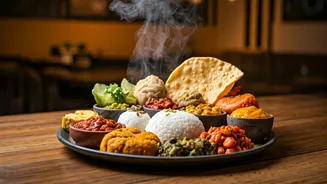
In a world obsessed with productivity and checklists, Majuli’s greatest luxury is its invitation to simply be. A perfect day here might involve renting a bicycle and pedaling aimlessly down dusty lanes, with no destination in mind. You can stop to chat with villagers, who are often as curious about you as you are about them. You can spend an afternoon reading by a wetland, watching birds take flight. The main attractions are the quiet moments in between: the taste of freshly prepared local food, the warmth of the sun, and the spectacular sunsets that paint the river in hues of orange and purple. The island challenges the very idea of what a vacation should be. It suggests that the most memorable travel experiences aren't about what you see, but about what you feel. It’s a place to disconnect from Wi-Fi and reconnect with yourself and a simpler, more meaningful way of life.