





Beyond the Single-Origin Bean
For years, the story of specialty coffee was all about the bean. We learned to appreciate the tasting notes of a single-origin Ethiopian Yirgacheffe or a Guatemalan Huehuetenango. The origin, processing method, and roast profile were the undisputed stars
of the show. But now, a new cast of characters is stepping into the spotlight. This shift moves beyond the “third wave” coffee movement’s intense focus on the coffee itself. Instead, it embraces a more holistic view of what makes a drink or a dish special. It’s an acknowledgment that the quality of the milk, the character of the sweetener, and the freshness of the garnish are just as crucial to the experience as the espresso shot they accompany. These once-background elements are no longer just supporting players; they’re co-stars, bringing their own unique stories and flavors to the café counter.
The Rise of the Hyper-Local Café
Several factors are driving this hyper-local movement. The pandemic exposed the fragility of global supply chains, making local sourcing a more reliable and resilient business strategy. Simultaneously, consumers have become more conscious of where their food comes from, seeking transparency, sustainability, and a connection to their community. They want to support local farmers and artisans, and they’re willing to pay a premium for a product with a story. There's also a creative element at play. As the specialty coffee market becomes more saturated, unique local ingredients offer a way for cafés to differentiate themselves. A shop in Vermont can create a signature maple-and-sage latte that can’t be replicated by a chain in California. This focus on terroir—the taste of a specific place—is a concept long established in wine and fine dining, and it’s finally having its moment in the more accessible world of the neighborhood café.
What It Tastes Like on the Ground
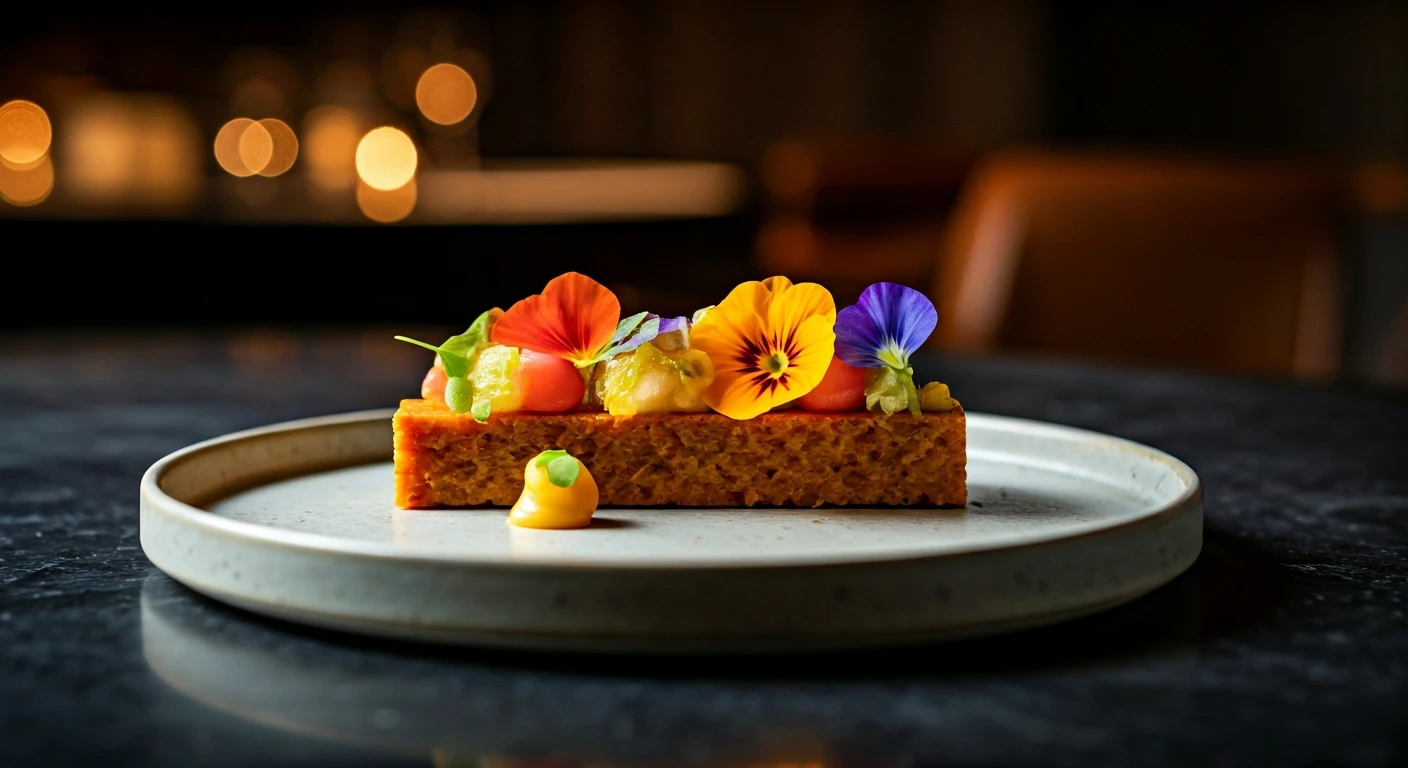
So what does this look like in practice? It’s a café in the Pacific Northwest crafting syrups from foraged elderflowers or wild blackberries. It’s a coffee shop in Arizona infusing cold brew with local mesquite honey. It’s the widespread adoption of small-batch, locally produced oat and dairy milks that have a richness and flavor far superior to their mass-market counterparts. The trend extends to the food menu, too. Bakeries-within-cafés are highlighting regional heritage grains in their sourdough and croissants. Breakfast sandwiches are being built around eggs from a nearby farm and cheese from a local creamery. The humble avocado toast might get a sprinkle of flaky sea salt harvested from the coast or a drizzle of olive oil from a regional producer. Each item becomes a small edible postcard from its region, offering a taste of the local landscape and agricultural community.
An Ecosystem, Not Just a Menu
Ultimately, this shift is about more than just flavor. It’s about building a stronger, more interconnected local economy. When a café owner buys jam from a local maker or milk from a nearby dairy, that money stays within the community, fostering a network of small businesses that support one another. For the customer, it transforms the simple act of buying a coffee into a richer experience. You’re not just a consumer; you’re a participant in a local food system. The drink in your hand has a provenance, a sense of place that can’t be bottled or shipped across the country. It creates a unique identity for the café and a deeper sense of connection for its patrons. In an increasingly globalized world, the local café is becoming a delicious celebration of what makes home, home.