



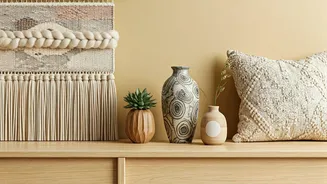
A Grounded, Earth-Inspired Palette
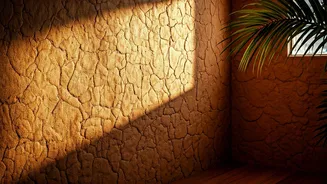
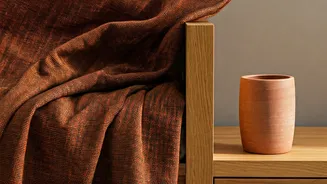
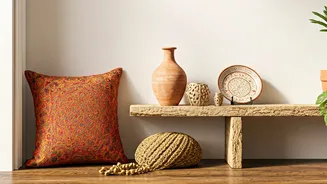
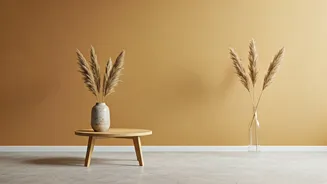
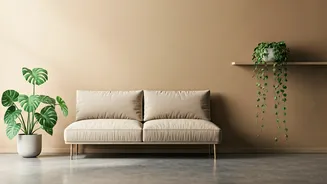
The foundation of this aesthetic is a color scheme drawn directly from the Indian landscape. Think of the deep, rusty red of terracotta soil, the warm ochre of desert sands, the muted greens of tropical foliage, and the soft beige of unprocessed cotton.
These are not loud, attention-grabbing colors. Instead, they create a serene and grounding atmosphere that serves as a calming antidote to the sensory overload of city life. This palette provides a warm, organic canvas, allowing textures and forms to take center stage. Splashes of indigo blue or marigold yellow might appear in textiles, but the overall effect is one of harmony and restraint, connecting the home to the natural world just outside its walls.
The Soul of Handcrafted Imperfection
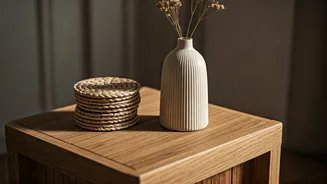
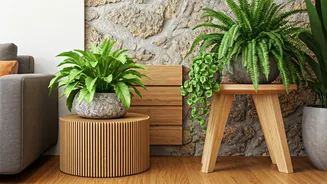
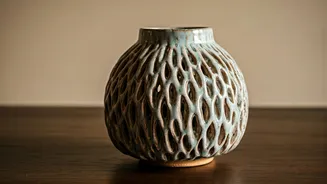
At the heart of this movement is a profound respect for the artisan. In place of mass-produced perfection, there's a celebration of objects that bear the mark of their maker. This can be seen in the slight irregularities of hand-thrown pottery, the unique grain of locally sourced teak or sheesham wood furniture, and the intricate weave of a hand-loomed rug. Materials like cane, jute, and rattan are used extensively for chairs, screens, and light fixtures, adding layers of natural texture. This focus on craftsmanship is not about rustic nostalgia; it's a conscious choice to embed story, skill, and humanity into the fabric of a room, making each piece feel singular and treasured.
Minimalism, But with Warmth
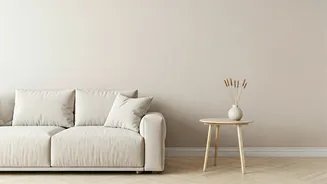
While the principle of “less is more” is central, this isn't the cold, clinical minimalism often associated with European design. It's a warmer, more livable interpretation. The goal is to declutter and simplify, but not to sterilize. Spaces are defined by clean lines, uncluttered surfaces, and a deliberate absence of excess. However, the inherent warmth of the natural materials and earthy colors prevents these homes from feeling stark. It's a minimalism of purpose: every object in the room has a function or a deep personal meaning. This approach creates a sense of breathing room, allowing the inhabitants to focus on what truly matters.
The Power of Light and Air
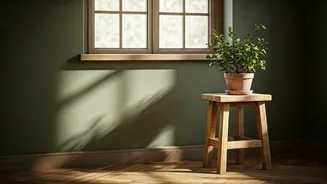
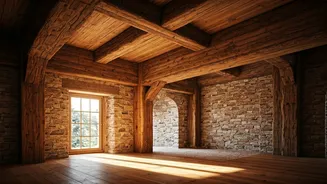
Architecturally, this style prioritizes a connection to the outdoors. Traditional elements of Indian homes, like internal courtyards (aangans), verandas, and latticed screens (jaalis), are being reinterpreted in modern contexts. These features are not just decorative; they are functional tools for managing light and ventilation in a tropical climate. Large, unadorned windows frame views of greenery, while strategically placed skylights wash rooms in natural light. The jaali, once made of carved stone, might now be rendered in brick or concrete, casting dynamic, geometric shadows that shift throughout the day. The effect is a home that feels open, airy, and intrinsically linked to its environment.
A Shift Toward Conscious Living
More than just a trend, this aesthetic reflects a deeper cultural shift. In a rapidly globalizing India, many are seeking a stronger connection to their roots and a more sustainable way of life. By favoring local materials and supporting regional artisans, this design philosophy is inherently eco-conscious and community-oriented. It represents a move away from imported, generic luxury and toward an identity that is authentic, personal, and proudly Indian. It’s about creating a sanctuary that is not just beautiful to look at, but also meaningful to live in—a space that is both a reflection of personal taste and a connection to a rich cultural heritage.