

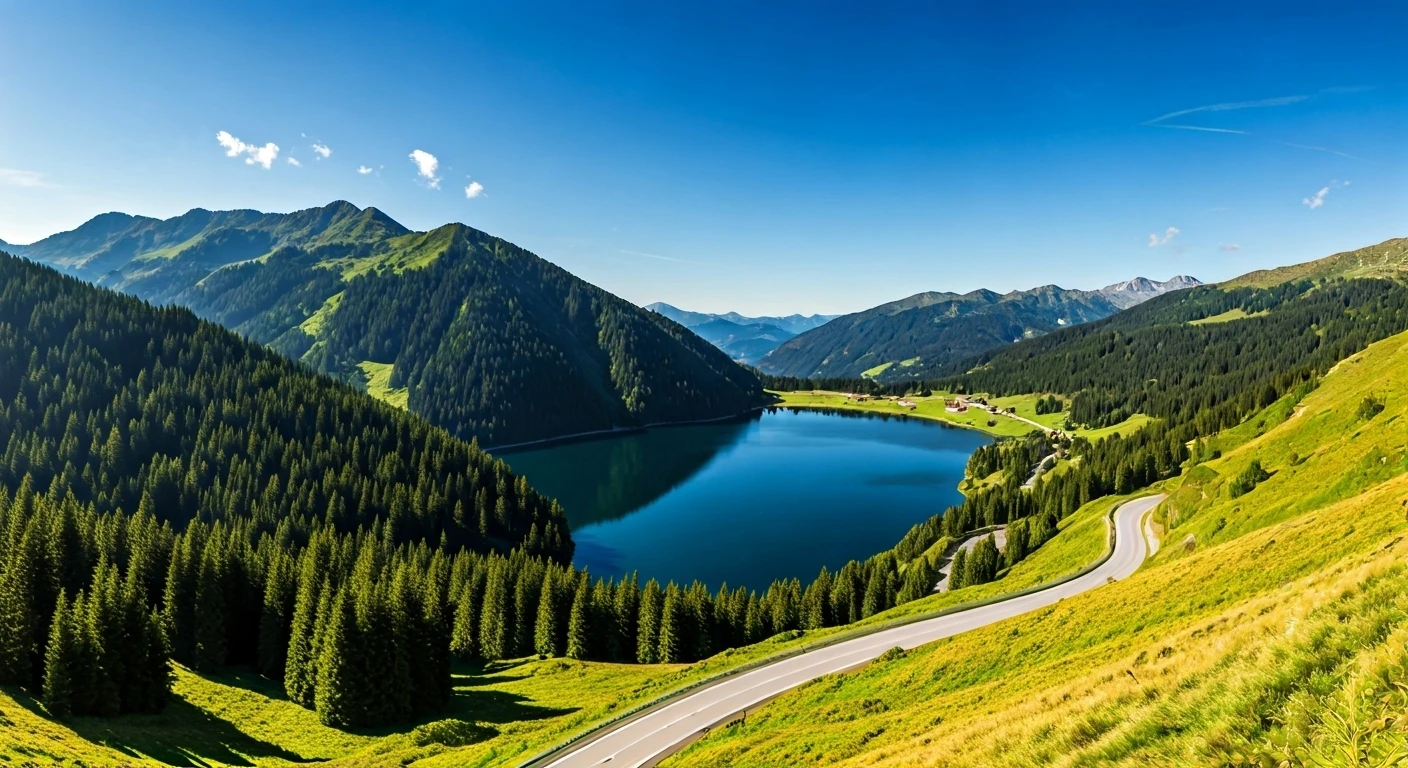
The Colonial Retreat in the Clouds
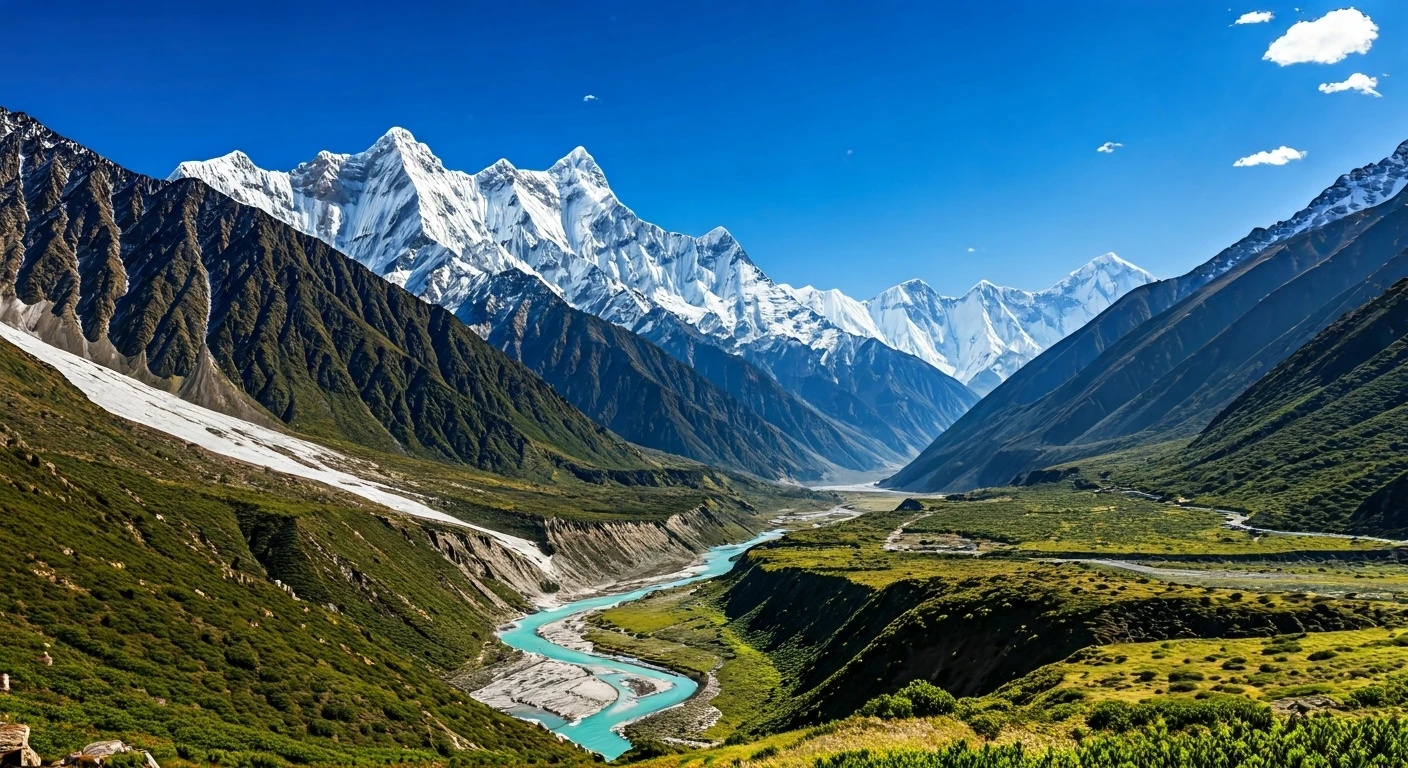
Before you can appreciate the festival, you have to understand Shimla itself. For Americans, the closest analogy might be a grand, historic mountain resort town like Aspen or Lake Placid, but steeped in the history of the British Empire. Perched at over
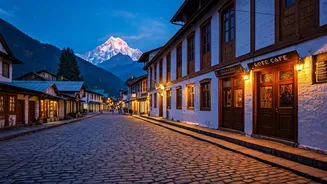
7,000 feet, Shimla served as the summer capital of British India from 1864 until Indian independence. When the summer heat became unbearable on the plains of Delhi and Calcutta, the entire colonial administration—viceroys, generals, and civil servants—would decamp to this cool mountain haven. That history is etched into the city's very architecture. Strolling along the Mall Road, a pedestrian-only thoroughfare, you'll see mock-Tudor buildings, the striking neo-Gothic Christ Church, and the imposing Viceregal Lodge, where crucial decisions about the subcontinent's future were once made. Arriving via the UNESCO World Heritage Kalka-Shimla Railway, a narrow-gauge “toy train” that chugs through over 100 tunnels, feels like traveling back in time. This unique blend of Indian mountain culture and British colonial nostalgia creates an atmosphere found nowhere else on earth.
The Festival at the Heart of Town
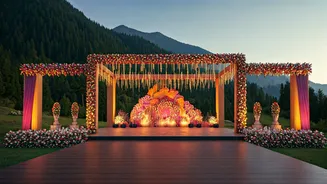
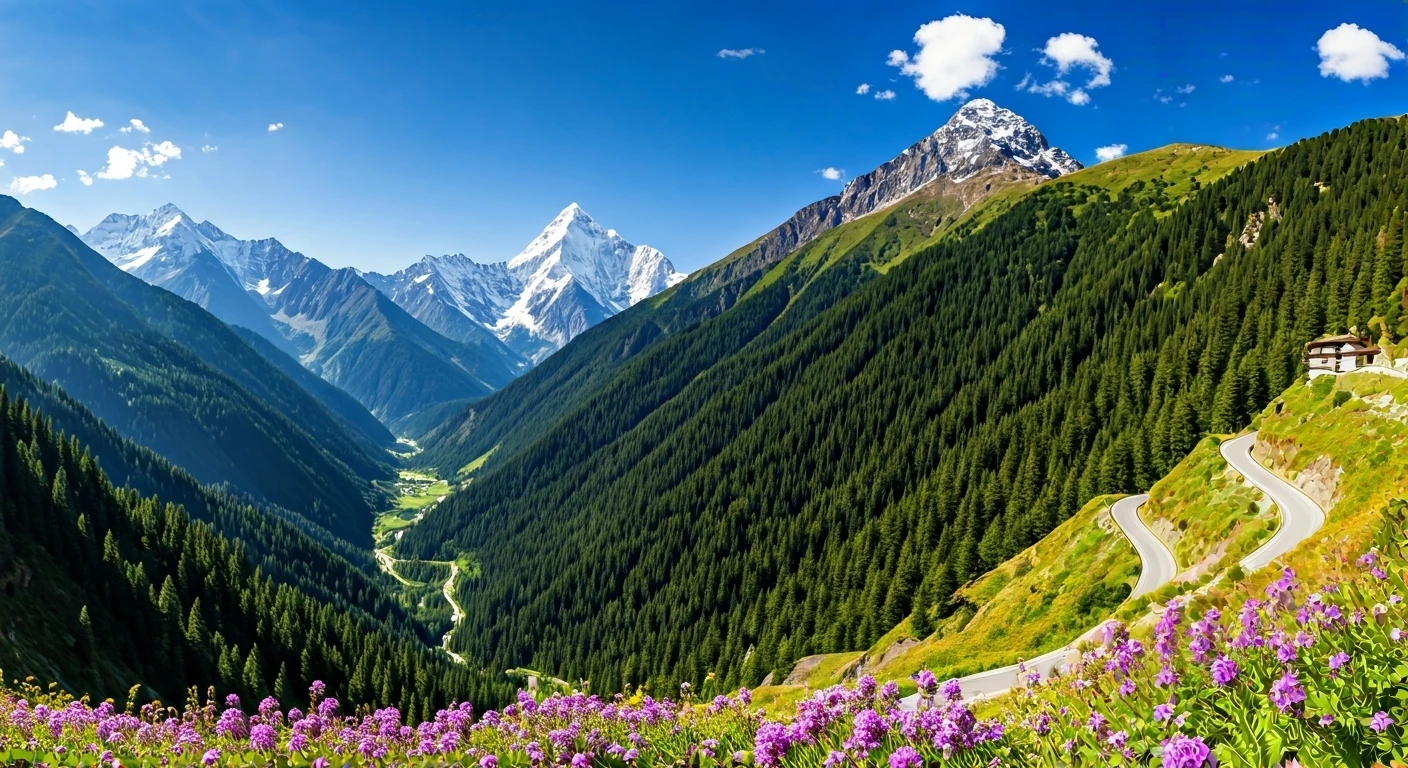
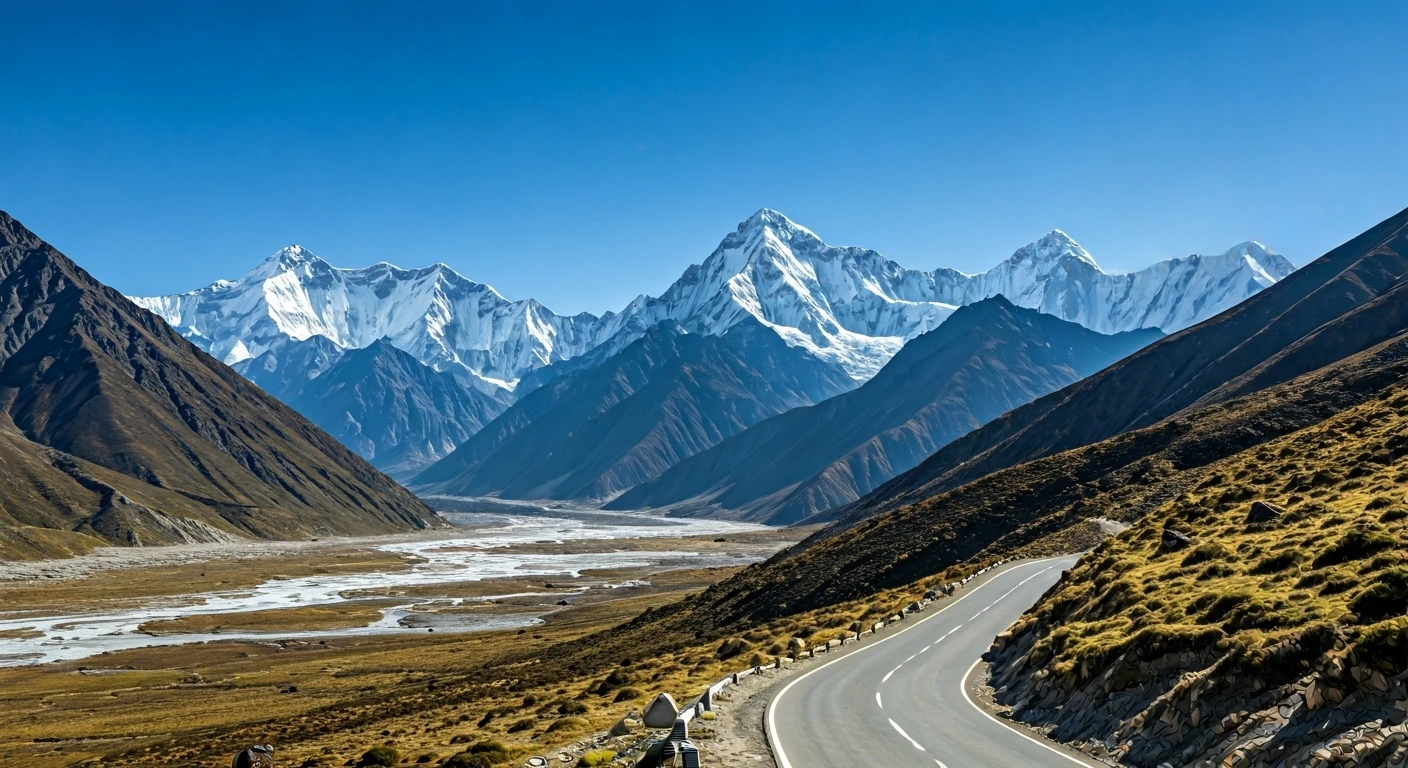
The Shimla Summer Festival is the city’s premier cultural event, a tradition that has been celebrated for decades. It unfolds on the Ridge, a large, open plaza in the heart of the city that offers breathtaking panoramic views of the surrounding snow-capped peaks. For five days, this public square transforms into a kaleidoscope of activity. The festival is a curated showcase of local, national, and sometimes even international talent, designed to delight both residents and the influx of tourists escaping the summer heat. The schedule is packed from morning until night. By day, you might find school bands competing, photographers displaying their work, or stalls selling local Himachali handicrafts like woolen shawls and wooden carvings. As evening descends, the main stage lights up with performances ranging from traditional folk dances to classical music recitals and energetic Bollywood singers who get the whole crowd moving. It’s a family-friendly affair where generations gather to celebrate the season and their shared culture.
A Taste of Himachali Culture
While the festival features modern entertainment, its soul lies in the celebration of Himachali culture. Himachal Pradesh is the mountainous state where Shimla is located, and its culture is as rugged and beautiful as its landscape. The festival is one of the best opportunities for a visitor to experience it all in one place. Look for the Nati folk dance, a slow, graceful group performance that is a hallmark of the region. You'll see performers in traditional dress—intricately embroidered caps for men and vibrant, layered outfits for women. The air fills with the sounds of local instruments you’ve likely never heard before. And then there's the food. Beyond the usual street-food fare, festival stalls often feature Himachali delicacies. Look for dishes like *siddu* (a steamed, leavened bread often stuffed with savory filling) or *dham*, a traditional multi-course meal. It's an accessible, delicious crash course in the region’s heritage.
Beyond the Main Stage
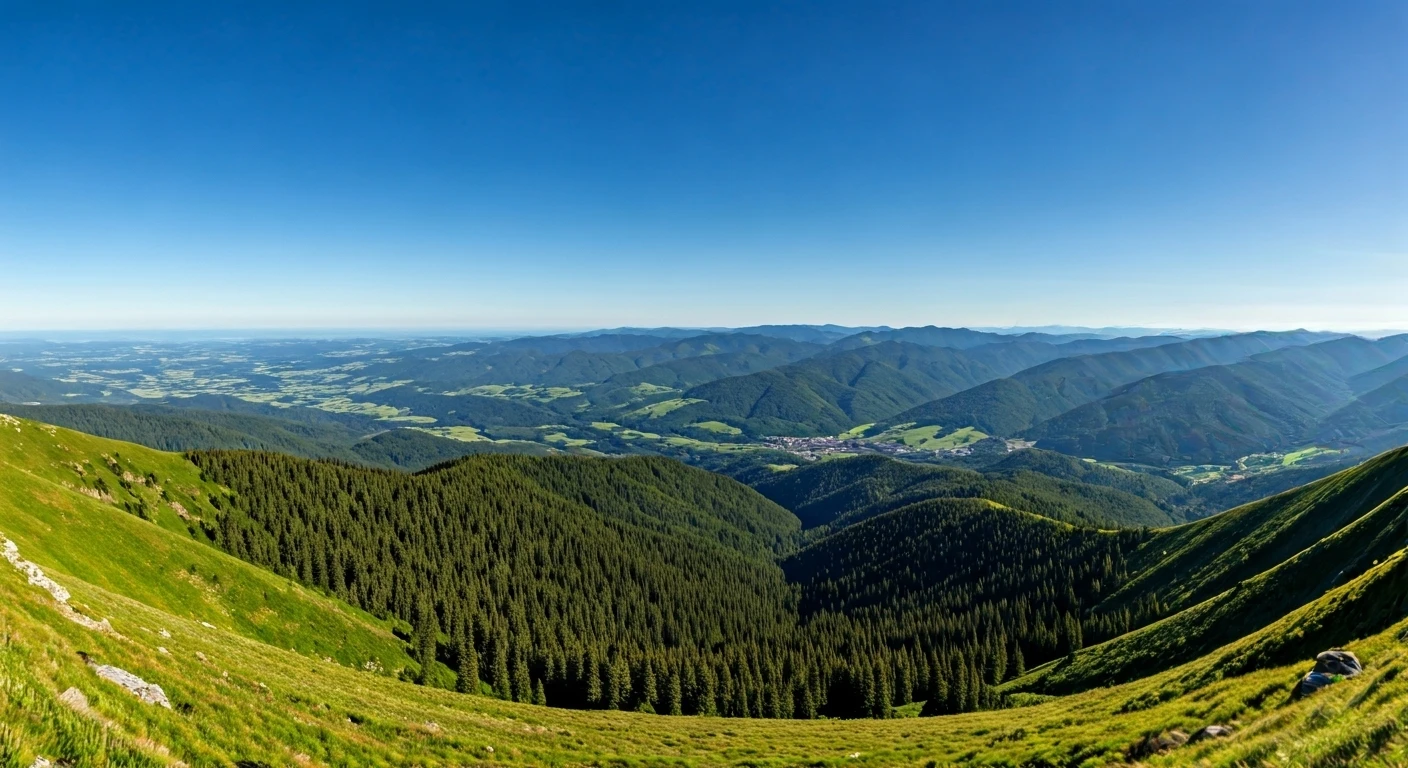
While the festival is the main draw, its timing in early June offers the perfect climate for exploring everything else Shimla has to offer. The days are pleasant and sunny, ideal for venturing beyond the crowded Ridge. One of the most popular side trips is the hike or cable car ride up to Jakhu Temple. This ancient temple is dedicated to the Hindu deity Hanuman and is guarded by legions of playful (but famously mischievous) monkeys. The real prize is the 108-foot-tall pink statue of Hanuman that towers over the city, visible from miles away. For a quieter experience, you can walk through the pine and deodar cedar forests that surround the town. Or, simply find a café along the Mall Road, order a cup of chai, and watch the world go by. The festival brings a focused energy to the city, but Shimla’s enduring appeal is its ability to be both a center of activity and a peaceful mountain escape.