








The Rise of the House Rabbit
For generations, the image of a pet rabbit in Australia was a simple one: a kid’s pet, kept in a hutch in the backyard. But that picture is rapidly changing. Driven by a perfect storm of social media aesthetics and a pandemic-fueled desire for companionship,
rabbits are being rebranded as sophisticated, indoor pets. They are increasingly seen as viable alternatives to cats or dogs for apartment dwellers, offering quiet companionship without the need for daily walks. This shift has propelled them into the spotlight, with breeders reporting long waiting lists and pet stores struggling to keep up with demand for bunny-specific supplies, from gourmet hay blends to multi-story indoor enclosures.
The Instagram Effect
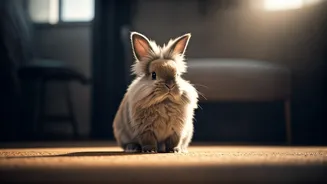
A quick scroll through Instagram or TikTok reveals the heart of the trend. Under hashtags like #bunniesofinstagram and #houserabbit, you’ll find a curated world of impossibly fluffy bunnies lounging on minimalist furniture, nibbling delicately on a single strawberry, or wearing tiny, adorable hats. These videos and photos, often set to calming indie pop, portray rabbits as low-maintenance, photogenic accessories for a stylish life. They look like living, breathing plush toys. This highly polished online portrayal has been a powerful marketing tool, convincing many that a rabbit is the perfect, quirky addition to their home. The problem is, this digital fantasy often glosses over the far more complex reality.
More Than Just a Fluffy Face
Here's the reality check that social media leaves out: rabbits are not easy pets. In fact, they are designated as 'exotic' pets by many vets for a reason. Their needs are specific and non-negotiable. Their digestive systems are incredibly sensitive, requiring a diet of about 80-90% hay, not the carrots and lettuce of cartoon fame. They need ample space to run and 'binky'—their signature happy jump—not a small cage. Furthermore, rabbits are social creatures that often do better in bonded pairs, but the bonding process itself can be difficult and stressful. They also require specialized, and often expensive, veterinary care. Unbeknownst to many new owners, they are not low-maintenance starter pets; they are a significant long-term commitment, often living 8 to 12 years.
A Crisis for Shelters
Predictably, this gap between expectation and reality has led to a heartbreaking consequence. Animal shelters across Australia, from the RSPCA to smaller, independent rescues, are reporting a massive surge in surrendered rabbits. Many of these bunnies were impulse buys during the pandemic. Once the novelty wore off and the reality of their complex care, chewing habits, and need for attention set in, owners found themselves overwhelmed. Shelters are now overflowing with rabbits, many of whom have health or behavioral issues stemming from improper care. The 'bunny era' has created a genuine animal welfare crisis, leaving rescue organizations scrambling for resources and space to care for the forgotten victims of the trend.