

The 'No Days Off' Vacation
Remember the old script? You’d spend weeks working toward a “beach body,” only to arrive at your destination armed with a deep-seated anxiety about losing your progress. This mindset turned vacations—supposedly a time for rest and indulgence—into a performance.
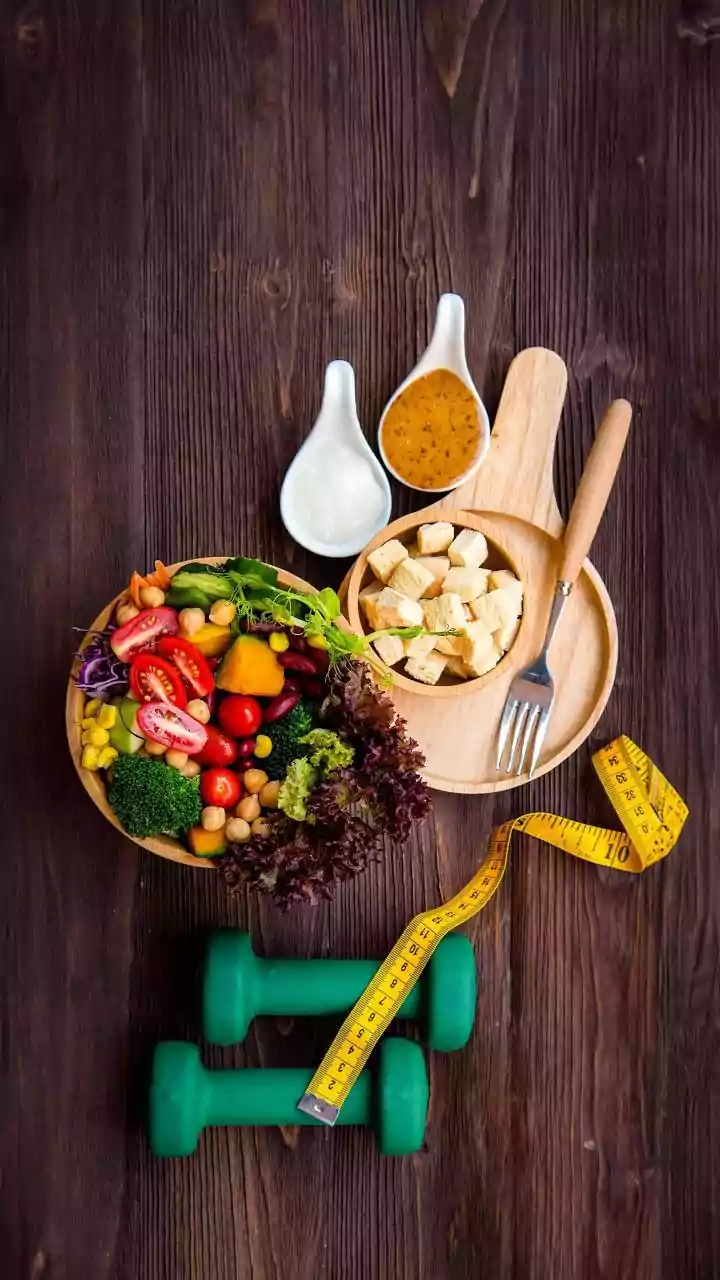
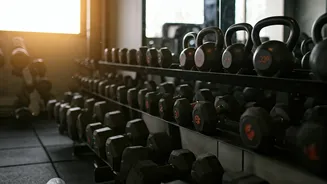
Every day was a negotiation: Could you find a hotel with a decent gym? Would you wake up at 6 a.m. for a run before everyone else was up? Would you feel guilty for ordering the pasta or skipping a workout to, you know, actually relax? This was the logical endpoint of hustle culture infiltrating our leisure time. Fueled by aspirational-but-anxiety-inducing social media posts, “no days off” became a mantra that followed us from the office to the airport. Fitness was framed as a punishment for indulgence, and vacation became just another backdrop for proving your discipline. The goal wasn’t to feel good; it was to look good for the photos and return home without having “fallen off the wagon.” It was exhausting, unsustainable, and, frankly, the opposite of what a vacation is for.
A Cultural Shift Toward Joy
So, what changed? In short, we got tired. The collective burnout of the last few years has prompted a massive cultural reassessment of what “wellness” truly means. The conversation has shifted from relentless optimization to genuine self-care, from aesthetic goals to mental and emotional well-being. We’re finally realizing that rest is not laziness; it’s a biological necessity. And pushing your body to its limits in the name of fitness while on a trip designed for recovery is a perfect example of a wellness culture that has lost its way.
Fitness professionals and influencers themselves are starting to champion this change. Many are now talking about “movement snacks,” “intuitive exercise,” and the importance of deload weeks or active recovery. The new philosophy argues that a healthy lifestyle is one that is flexible and adaptive. It has room for both intense training and blissful inactivity. This pushback against performative perfection has given millions of people permission to log off, unplug, and listen to their bodies instead of a prescriptive, one-size-fits-all fitness plan.
What 'New' Vacation Fitness Looks Like
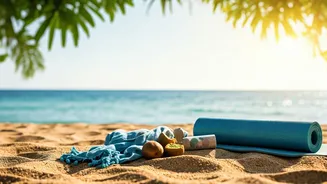
The new vacation fitness isn’t about abandoning activity altogether. It’s about reframing it as a source of joy and exploration rather than a chore. Instead of forcing a 45-minute HIIT session in a stuffy hotel gym, it’s about embracing the movement that your destination naturally offers.
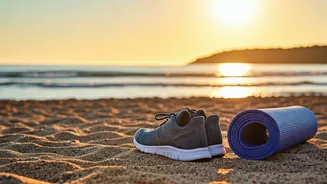
This could mean renting a bike to explore a new city, taking a long walk on the beach at sunset, hiking to a scenic overlook, or swimming in the ocean for an hour. It’s about playing paddleball, trying a local dance class, or simply choosing to walk to dinner instead of taking a cab. This type of activity is often called “incidental fitness.” You’re moving your body, burning calories, and engaging your muscles, but it doesn’t feel like a workout because the primary purpose is discovery and fun. You’re making memories, not just counting reps. This approach allows you to stay active in a way that enhances your vacation experience instead of detracting from it.
Embracing the Mindset of Restoration
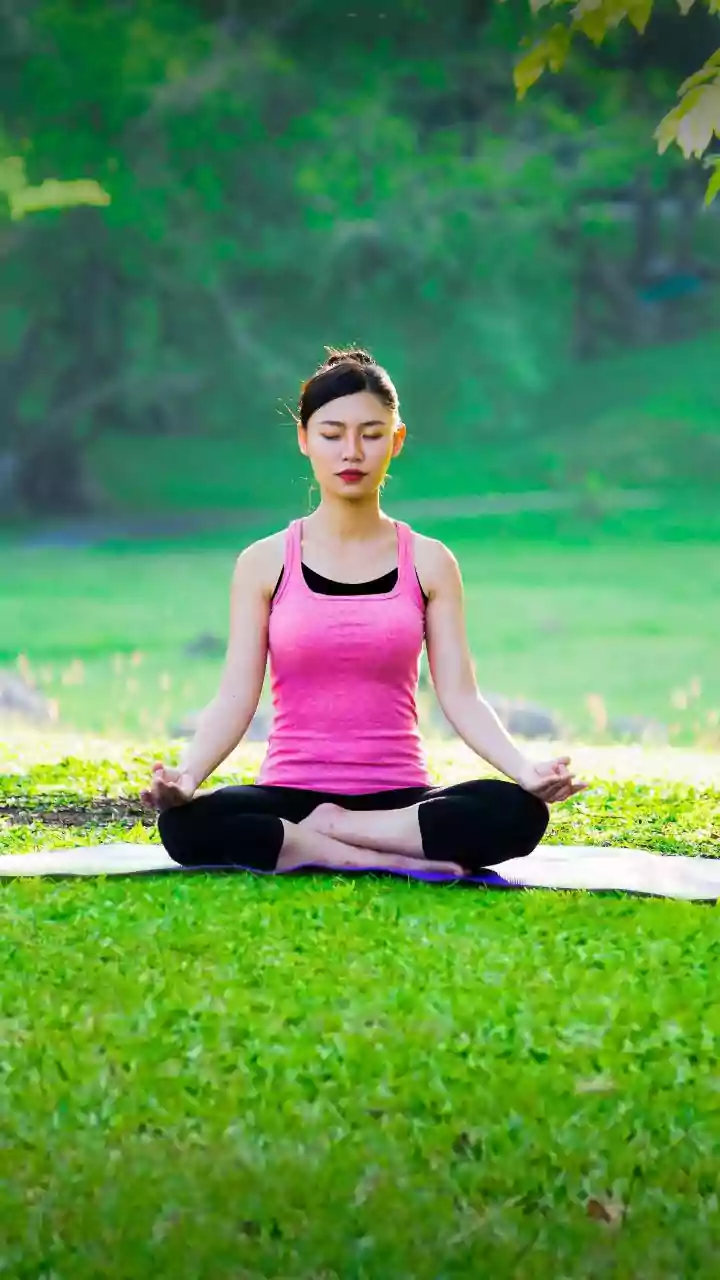
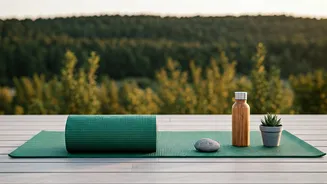
Ultimately, this evolution is about changing the goal of a vacation. The objective isn't to return with abs that are just as defined as when you left. The objective is to return rested, recharged, and mentally restored. Sometimes, the most beneficial thing you can do for your body is to give it a complete break. Sleeping in, reading a book by the pool, and enjoying leisurely meals are not signs of failure; they are acts of profound physical and mental recovery.
True health encompasses stress reduction and mental peace. A body that is constantly under physical and psychological stress—even from a “healthy” obsession with exercise—is not a healthy body. By letting go of the guilt, you create space for genuine rejuvenation. The best souvenir you can bring back from a trip isn't a new PR in the hotel gym, but a renewed sense of well-being that will serve you long after your tan has faded.