






The Ultimate Time-Saver
The biggest challenge of a short trip is the clock. With only 48 or 72 hours, you can't afford to waste time on logistical headaches. This is where AI excels. Instead of spending hours cross-referencing blogs, maps, and booking sites, new AI-powered tools
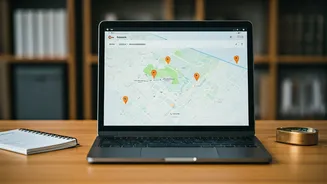
from platforms like Google, Expedia, and Kayak can generate a draft itinerary in seconds. You can simply input your destination, dates, and interests—like "a relaxing weekend in Austin with a focus on live music and barbecue"—and the AI will produce a logical, hour-by-hour schedule. It can group activities by neighborhood to minimize travel time and even suggest reservation times for popular restaurants, tackling the most tedious parts of planning before you’ve even packed your bag.
Beyond the Top 10 Tourist Traps
A quick trip can easily become a checklist of famous-but-crowded landmarks. AI is changing that by offering hyper-personalized suggestions. These tools analyze vast amounts of data—reviews, photos, articles, and social media posts—to understand the vibe of a place, not just its popularity. For instance, instead of just recommending the most famous museum, an AI planner might notice you're interested in street art and suggest a specific mural-filled alleyway that only locals know about. It can find a coffee shop that matches your aesthetic or a hiking trail suited to your fitness level. This ability to sift through the noise and find hidden gems helps make a short, precious vacation feel uniquely yours, not like a generic tour.
Your Budget's New Best Friend
Short, frequent trips are more feasible when you can keep costs down. AI is becoming an indispensable tool for budget-conscious travelers. Many booking sites now use AI to predict flight price fluctuations with impressive accuracy, advising you whether to buy now or wait for a potential drop. Some tools allow you to set a budget for your entire trip, and the AI will build an itinerary that stays within your spending limits, suggesting free activities or more affordable dining options. By constantly monitoring prices and deals across the web, these systems act as a vigilant, 24/7 travel agent dedicated to finding you the best value, a task that would be nearly impossible for a human to do manually.
The On-the-Ground Assistant
The planning boost doesn't stop once you've booked your flights. AI is also your real-time assistant during the trip itself. Tools like Google Lens allow you to point your phone's camera at a menu in a foreign language and see an instant translation. AI-powered maps can dynamically re-route you around unexpected traffic or transit closures, saving precious minutes. Some new travel apps even allow for conversational queries on the go, like "Find me a quiet bar near my current location that's open late." This on-demand problem-solving removes much of the friction and uncertainty of navigating a new city, letting you stay immersed in the experience rather than buried in your phone trying to figure out logistics.
A Word of Caution
While impressive, AI travel planners are not yet infallible. The technology is still developing, and it's crucial to treat AI-generated itineraries as a first draft, not a final command. AI models can sometimes "hallucinate"—inventing details like non-existent restaurants or incorrect opening hours. Always double-check key information, like reservations, addresses, and ticket requirements, with the original source. Think of AI as a brilliant but sometimes forgetful research assistant. Use its power to generate ideas and structure your trip, but apply your own judgment and verification to finalize the details. The human touch remains essential for a truly seamless journey.