

From Leftovers to Likes
Welcome to the era of “scrappy cooking” as entertainment. Once the unglamorous, private task of stretching a household budget, using up leftovers is now a prime-time genre on TikTok, Instagram Reels, and YouTube Shorts. Creators are racking up millions
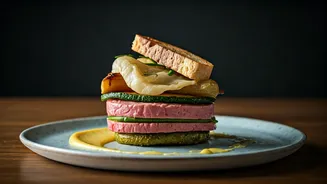
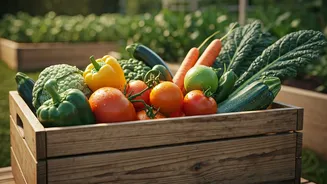
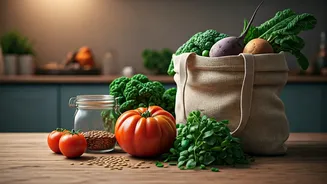
of views by showcasing their transformations of food that would have otherwise been destined for the trash bin. Think of the almost-too-soft tomatoes being blitzed into a stunning pasta sauce, the last few inches of a cucumber being pickled for a sandwich, or the carcass of a rotisserie chicken being simmered into a rich, golden broth. These aren't just instructional cooking videos; they are miniature stories of redemption. Each clip presents a problem (the sad-looking ingredient) and a deeply satisfying solution (the delicious, often beautiful, final product). The appeal is magnetic because it feels both aspirational and achievable. It’s the visual equivalent of turning a forgotten dollar found in a coat pocket into a winning lottery ticket.
The Scrappy Cooking Revival
So, why is this happening now? The most obvious driver is the economy. As grocery bills climb and inflation pinches wallets across the country, making the most of every single ingredient has shifted from a thrifty habit to a necessary strategy. What used to be Grandma’s common-sense wisdom—“waste not, want not”—is now being rebranded for a digital generation as a clever “hack.” This content performs a neat trick: it reframes frugality as creativity. Instead of feeling like a sacrifice, saving money on food is presented as a fun challenge. Can you turn those wilted greens into something amazing? The process becomes a game, and sharing it online earns social currency. Viewers are not just learning to save a few bucks; they’re being entertained by the ingenuity of others and inspired to see their own refrigerators not as a collection of expiring goods, but as a pantry full of potential.
A Hunger for Sustainability
Beyond the economic pressure, there’s a powerful cultural current at play: sustainability. Awareness of food waste has grown exponentially, particularly among Millennials and Gen Z. We know that roughly a third of the food produced in the United States goes uneaten, clogging landfills and contributing to greenhouse gas emissions. For a generation anxious about the climate crisis, this kind of waste feels ethically indefensible. “Leftover content” taps directly into this value system. It provides tangible, actionable ways to combat a massive problem from the comfort of your own kitchen. Watching someone turn vegetable scraps into a flavorful stock or orange peels into a cleaning solution offers a small sense of agency and control. It’s a quiet form of activism that doesn't require marching or donating, just a little bit of creativity. This moral satisfaction is a huge part of the appeal, making viewers feel good not just about the food, but about their choices.
The Perfect Recipe for Virality
Ultimately, the trend’s explosion is due to how perfectly it fits the format of “snackable” video content. A 30-second TikTok is the ideal vessel for a dramatic before-and-after transformation. The visual storytelling is immediate and requires no translation: sad, limp vegetable becomes crisp, delicious snack. The pacing is inherently compelling. Fast cuts, rhythmic sounds (the sizzle of oil, the crunch of a knife), and a satisfying final reveal are the building blocks of a viral video. It’s a compact narrative arc that hits all the right dopamine triggers. The content is useful, visually pleasing, and emotionally resonant—a trifecta for the algorithm. It teaches you something, makes you feel smart and responsible, and entertains you all at once. In the crowded landscape of digital media, content that can do all three is gold.