



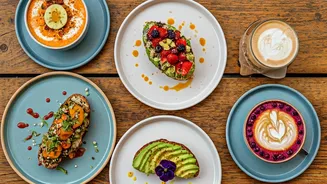


The Unspoken Contest
The “brunch challenge” sweeping through Mumbai isn’t a formal competition with a prize at the end. There are no official rules or judges. Instead, it’s an informal, high-stakes social gauntlet run by the city’s affluent and globally-connected Gen Z. The goal?
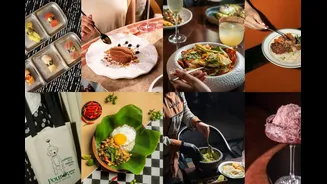
To conquer the ever-growing list of chic, exclusive, and supremely Instagrammable brunch spots popping up across the metropolis. Success isn’t measured by how much you eat, but by where you eat, what you wear, and most importantly, how well your experience translates into a stunning Reel or photo dump. It’s a performance of taste, access, and being in-the-know, played out for an audience of thousands online.
An American Import, Remixed for India
Brunch itself is a thoroughly Western concept, a leisurely weekend meal that only recently gained traction in India’s fast-paced commercial capital. For decades, the city’s rhythms were defined by quick breakfasts, hearty lunches, and late dinners. But as a new generation came of age with a global outlook shaped by Netflix, Instagram, and international travel, so too did their tastes. Mumbai’s cafes have enthusiastically adopted the format, but they’ve given it a distinctly local flavor. Yes, you’ll find avocado toast and eggs Benedict on every menu, but they sit alongside inventive dishes like truffle oil-drizzled dosas, spicy akuri (Parsi-style scrambled eggs) on sourdough, or even a deconstructed eggs Kejriwal—a famous local dish of chili cheese toast topped with a fried egg. It’s a culinary fusion that mirrors the identity of its patrons: global in aspiration, but Indian at its core.
More Than Just Food
To mistake this trend as being just about the food is to miss the point entirely. For young Mumbaikars, this weekend ritual is a powerful form of social signaling. Securing a table at a sought-after spot in a trendy neighborhood like Bandra or a restored mill compound in Lower Parel is a declaration of status. The meal is a backdrop for content creation, with diners often spending as much time arranging their plates for the perfect flat lay as they do eating. It speaks to a culture of aspiration, where participating in global trends is a way of showcasing one’s modernity and success. In a city of immense contrasts, a lavish brunch is a tangible, shareable symbol of having arrived, or at the very least, belonging to the world of those who have.
The Economics of the 'Gram
This phenomenon has also fundamentally reshaped the city’s restaurant industry. For a new cafe to succeed, it’s no longer enough to have a great chef; it needs an impeccable aesthetic. restaurateurs are now designing spaces with social media in mind, investing heavily in photogenic interiors, unique serving ware, and dishes that pop on a phone screen. Pastel-colored walls, neon signs with witty sayings, and lush green foliage have become as crucial as the menu itself. A restaurant’s viability can hinge on its ability to become a backdrop for influencers and aspiring tastemakers. This brunch challenge, driven by Gen Z, has created a powerful feedback loop: diners chase the most beautiful spots, and restaurants are built to be beautiful, ensuring the cycle of content and consumption continues.