




The Real Rhythm of the Rain
First, let's clear up the biggest misconception. The Andaman monsoon, which typically runs from late May through September, isn't a four-month-long torrential downpour. While you will see rain, it often comes in dramatic, intense bursts, leaving the rest
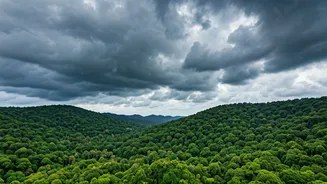
of the day clear, overcast, or even sunny. Think of it less as a washout and more as a daily atmospheric reset. The clouds create a dramatic, moody backdrop you’ll never find during the peak tourist season. The rhythm of a monsoon day is its own kind of magic: a powerful shower that freshens the air, followed by hours of calm perfect for exploring.
A Landscape in Electric Green
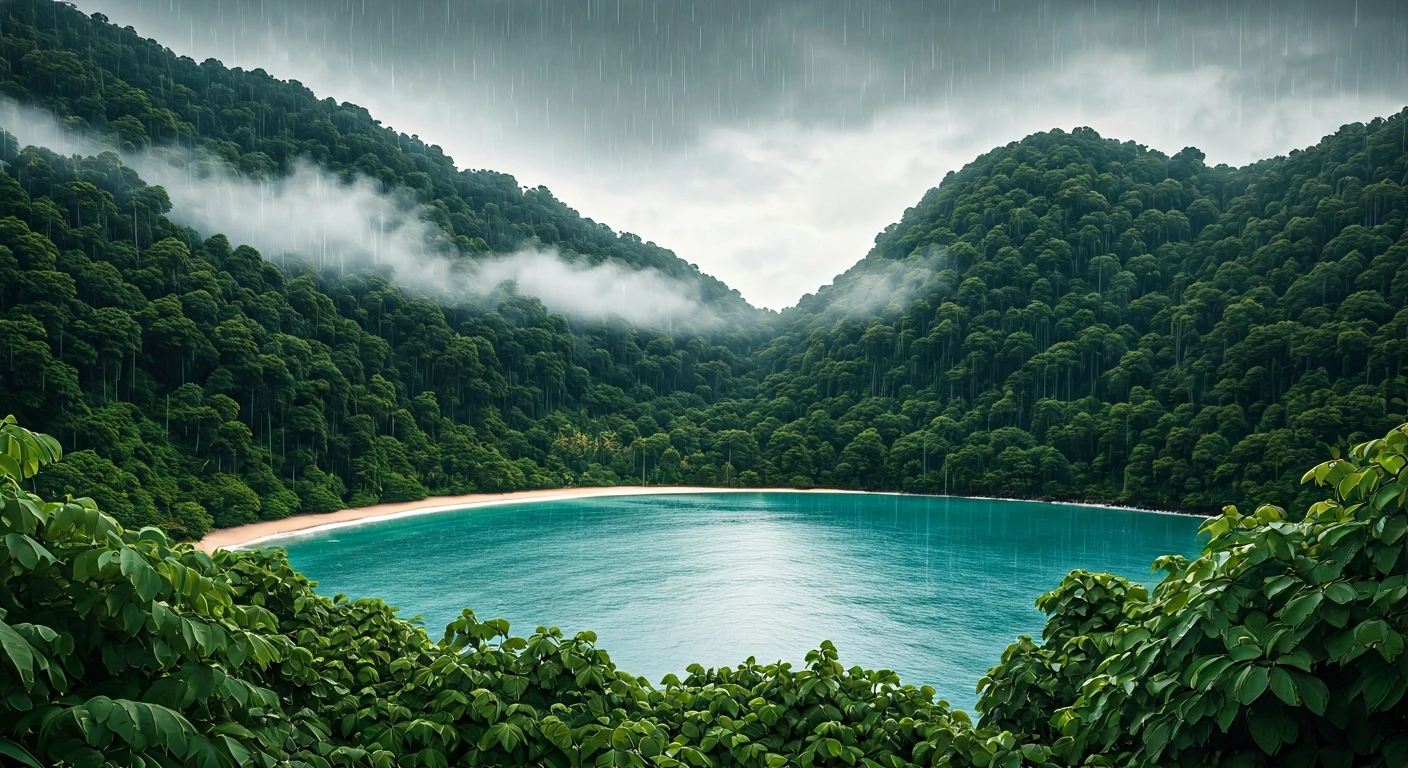
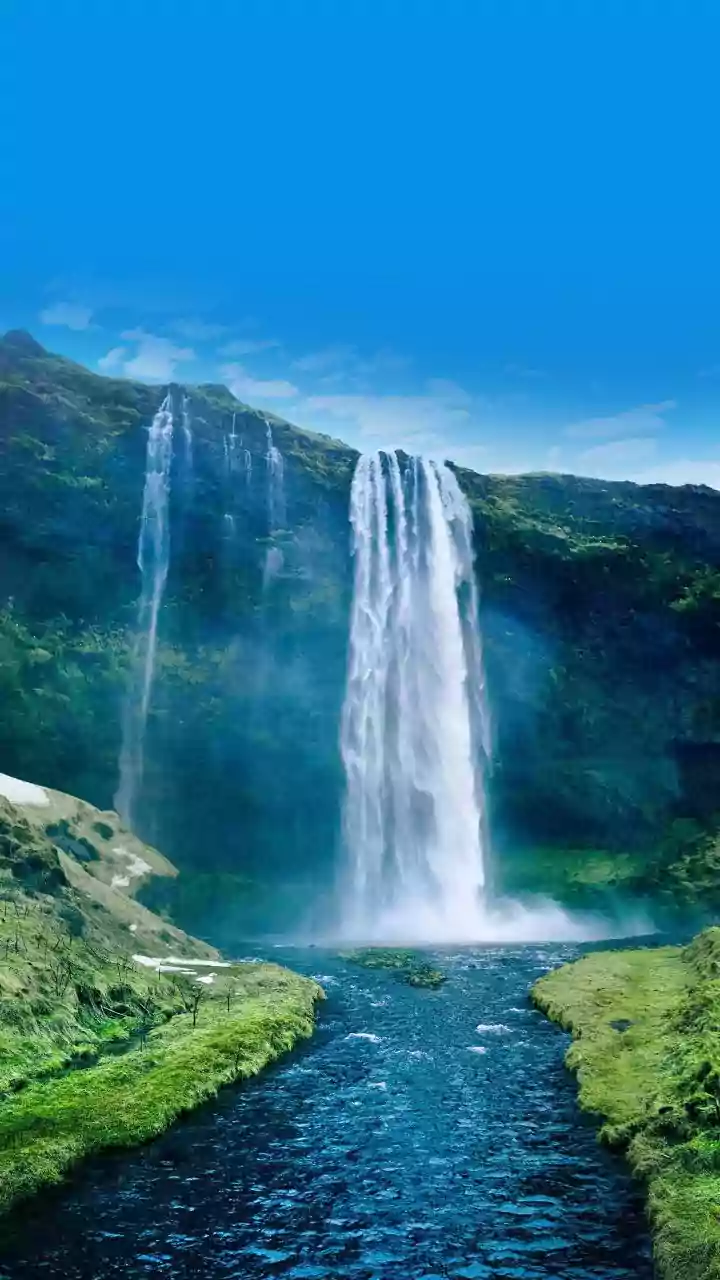
The single most transformative part of a monsoon visit is the landscape itself. The rain awakens the islands’ lush interiors, turning the rolling hills and dense rainforests into a hundred shades of impossible, vibrant green. Waterfalls that are mere trickles in the dry season become roaring cascades. The rice paddies are flooded and reflect the dramatic sky like mirrors. For photographers and nature lovers, this is the Andamans at their most raw and alive. The air is clean, the dust is settled, and the entire archipelago feels like it’s been washed anew, humming with life.
Your Own Private Paradise
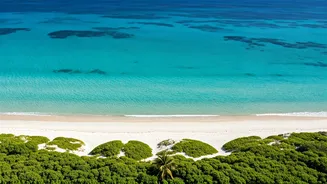
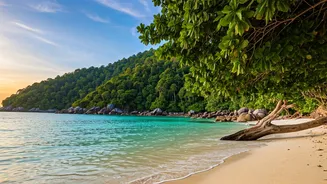
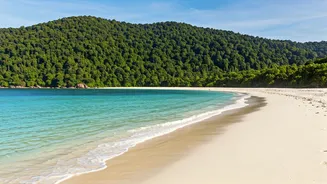
The primary reason most travelers flock to the Andamans is for the world-class beaches, like Radhanagar Beach on Havelock Island (Swaraj Dweep), often cited as one of Asia's best. During the high season (December to March), it’s beautiful but bustling. During the monsoon, it’s virtually empty. Imagine having that stretch of pristine white sand and turquoise water almost entirely to yourself. The usual crowds vanish, leaving behind a profound sense of solitude. You can walk for miles without seeing another soul, listen to the sound of the waves and the rain on the jungle canopy, and experience a level of tranquility that’s simply impossible to find when the charter flights are full.
The Unexpected Perks
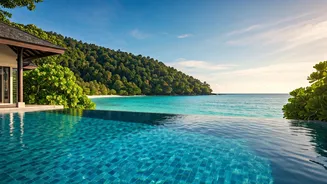
This rare window isn't just about atmosphere; it’s also about practical advantages. With tourism at its lowest ebb, flight prices to Port Blair often drop significantly. Even better, luxury resorts and boutique hotels that command premium rates in winter offer steep discounts. You can afford a level of comfort—a beautiful villa with a sea view, top-notch service—for a fraction of the peak-season cost. Furthermore, some natural phenomena, like the magical glow of bioluminescent phytoplankton, can be even more spectacular on moonless, overcast nights typical of the season. A nighttime kayaking trip can become an otherworldly experience as your paddle ignites the water with sparks of blue light.
Know Before You Go
This kind of trip isn't for everyone and requires a bit of planning. The main islands like Havelock (Swaraj Dweep) and Neil (Shaheed Dweep) remain accessible via ferries, but schedules can be less frequent or subject to weather-related delays, so building flexibility into your itinerary is key. Some water sports, particularly snorkeling and scuba diving in certain exposed sites, may be limited due to reduced visibility and choppy seas. Pack light, quick-drying clothes, a solid rain jacket, and waterproof bags for your electronics. Most importantly, adopt a relaxed mindset. The monsoon is an experience for the traveler who values mood and solitude over a guaranteed tan, and who understands that a sudden rain shower isn't an interruption—it's part of the show.