



More Than Just Rainy Day Food
In the United States, a rainy day might call for a pot of chili or a batch of chocolate chip cookies. But in India and across South Asia, the arrival of the annual monsoon season ushers in a specific and beloved culinary tradition. This isn't just about
eating whatever is in the pantry while it pours outside. It's a celebratory response to the heat breaking, the dust settling, and the earth coming back to life. For generations, monsoon foods have been about comfort, community, and craving. The sudden drop in temperature makes people long for things that are hot, crunchy, and intensely flavorful. This 'trend' we're seeing on social media is less a fleeting fad and more of a digital discovery of a deeply rooted cultural practice that knows exactly how to make a gloomy day feel like a gift.
The Undisputed King: Pakoras
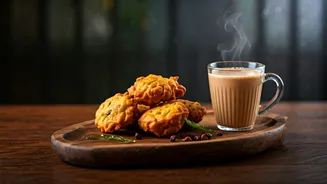
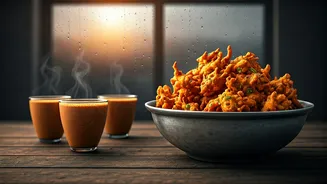
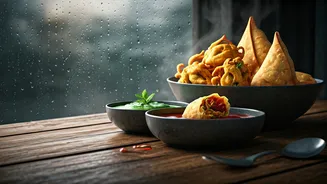
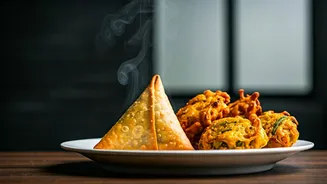
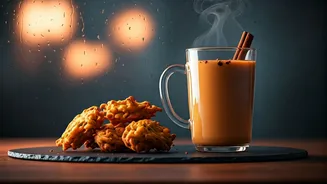
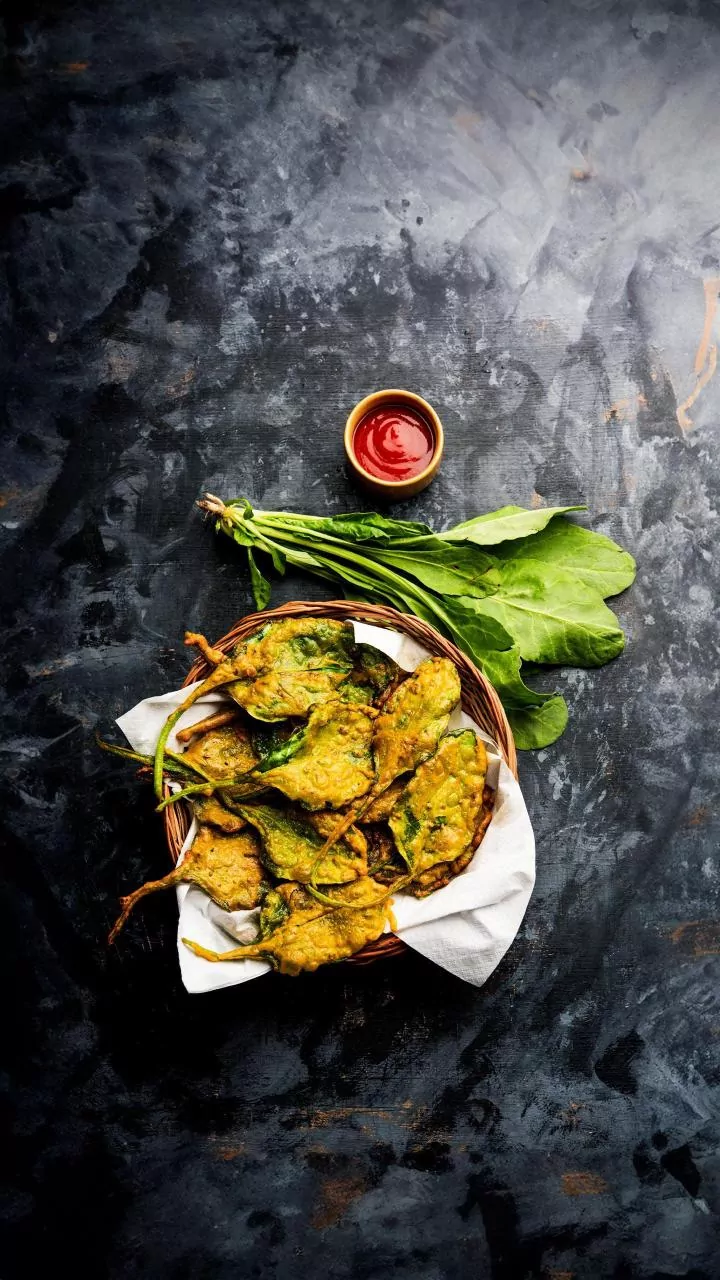
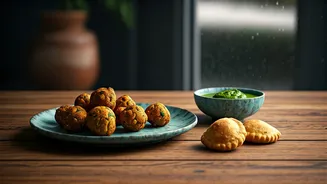
If there is one food that defines the monsoon experience, it’s the pakora. Known by various names across the subcontinent (bhaji, bajji, etc.), a pakora is essentially a fritter. But calling it just a fritter is like calling a diamond just a rock. Sliced vegetables—onions, potatoes, spinach, or cauliflower—are dipped in a spiced chickpea flour batter and deep-fried until golden and impossibly crispy. The magic is in the contrast: the crunchy, savory exterior gives way to a soft, steamy vegetable inside. They are almost always made fresh at home the moment the sky turns gray and are served piping hot, often with a side of tamarind or mint-coriander chutney. The sound of pakoras sizzling in hot oil is, for millions, the official soundtrack of the rainy season.
The Perfect Partner: Masala Chai
You simply cannot talk about monsoon snacks without mentioning their constant companion: masala chai. This isn't the lukewarm, overly sweet stuff you might get from a coffee shop chain. Authentic masala chai is a potent, soul-warming brew. Strong black tea is boiled in a pot with milk, sugar, and a dynamic blend of spices called a 'masala.' The exact mix varies by household, but it typically includes crushed ginger, cardamom pods, cloves, cinnamon, and black peppercorns. The ginger and pepper provide a gentle heat that warms you from the inside out, cutting through the damp chill of a rainy day. The ritual of sipping a small, steaming cup of chai while watching the rain fall is a core tenet of this cozy tradition. It’s the liquid equivalent of a warm hug.
Other Rainy Day Delights
While pakoras and chai are the power couple of monsoon season, the menu is rich and varied. Another street-side staple is bhutta, or roasted corn on the cob. Vendors roast the ears of corn over hot coals until they are lightly charred, then rub them down with a mixture of salt, chili powder, and a generous squeeze of lime juice. The result is a smoky, spicy, tangy snack that’s eaten while walking under an umbrella. Then there are samosas, the triangular, pastry-filled pockets of spiced potatoes and peas that are a beloved snack year-round but somehow taste even better when it’s pouring rain. Eaten hot, their flaky crust and savory filling are the ultimate comfort food.
Bring the Monsoon Vibe Home
You don’t need a torrential downpour to get in on this. The next time you see a rainy forecast, see it as an invitation. The spirit of the monsoon recipe is about transforming an inconvenience into an occasion. You can find countless simple recipes for pakoras and masala chai online. The key is to embrace the moment. Put on some music, gather your ingredients, and enjoy the process. Frying up a batch of onion pakoras as a storm rolls in and settling down with a hot cup of chai is about more than a meal—it’s about creating a small, delicious ritual of comfort. It’s a way of leaning into the weather and finding joy, and that’s a trend that will never go out of style.