



The Magic of a High-Altitude Desert
When you think of India, monsoon rains and tropical heat might come to mind. Ladakh, nestled in the Himalayas, flips that script entirely. It's a 'cold desert,' meaning it gets very little rainfall. During the peak summer travel months of June through
September, Ladakh experiences its best weather. Daytime temperatures hover in the comfortable 60s and 70s Fahrenheit, perfect for exploring under brilliant blue skies. The key, however, is the altitude—averaging over 10,000 feet—which guarantees bone-dry air. You get all the pleasant warmth of the sun without the oppressive stickiness that plagues so many other summer destinations. It’s the kind of weather that makes you feel energized, not drained.
Landscapes That Defy Description
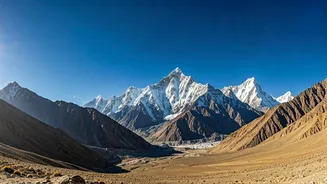
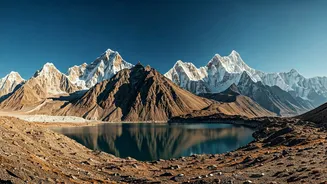
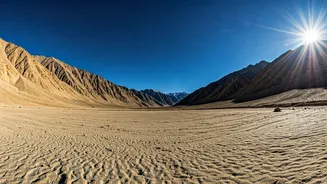
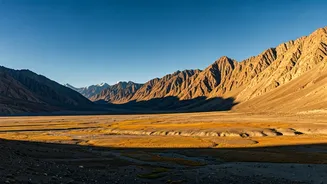
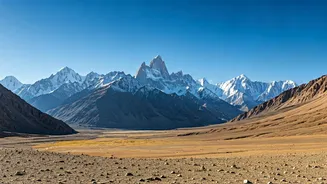
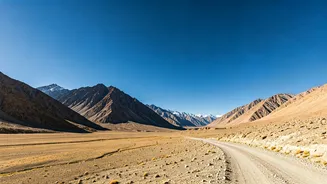
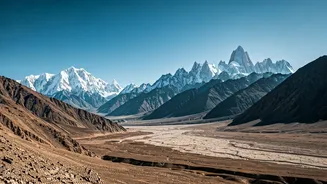
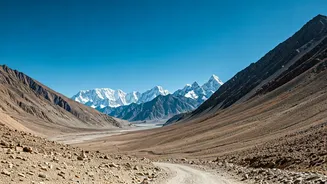
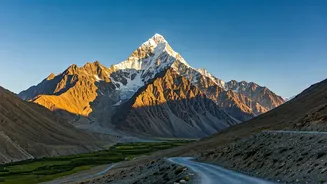
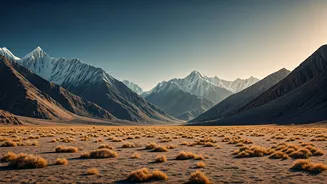
Ladakh's scenery is its main event. Often called 'the moonland' for its stark, barren beauty, the landscape is a surreal canvas of geological drama. Think jagged, rust-colored mountains soaring into the sky, their peaks dusted with snow even in summer. These stark ranges are sliced by valleys where glacial meltwater creates ribbons of impossible green, with patches of barley fields and apricot groves. The region's most iconic sights are its high-altitude lakes. Pangong Tso, a massive saltwater lake that stretches into Tibet, is famous for its chameleonic waters that shift from turquoise to deep blue throughout the day. A journey here isn’t just a trip; it’s an immersion in a landscape that feels both ancient and otherworldly.
A Spiritual High Point
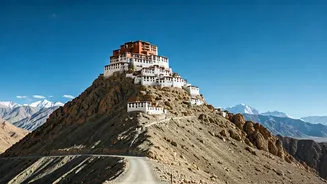
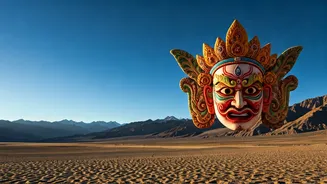
The culture of Ladakh is as breathtaking as its vistas. With deep roots in Tibetan Buddhism, the region is dotted with ancient monasteries, or 'gompas,' that seem to cling impossibly to cliffsides and hilltops. These are not museum pieces; they are living centers of faith. Visiting places like Thiksey Monastery, a stunning multi-tiered complex that resembles the Potala Palace in Lhasa, or Hemis, the region’s wealthiest monastery, offers a profound sense of peace. The sight of prayer flags fluttering in the mountain breeze, the sound of monks chanting, and the intricate murals adorning temple walls provide a spiritual anchor to the raw, physical beauty of the land. This serene atmosphere is a core part of the Ladakhi experience.
Planning Your Himalayan Escape
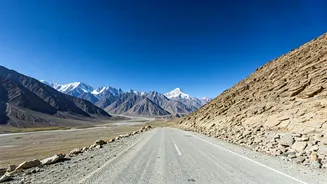
Getting to this remote paradise requires some planning, but it's more accessible than you might think. The main entry point is Leh, the region's capital, which is connected by daily flights from Delhi. The most crucial part of any Ladakh trip is acclimatization. Upon arriving in Leh (elevation: 11,500 feet), you must take it easy for the first 48 hours to let your body adjust to the thin air. Hydrate constantly and avoid strenuous activity. After that, you can hire a car with a local driver—the best way to navigate the winding mountain roads—to explore the surrounding valleys, lakes, and monasteries. The summer months are the only time the high passes are reliably open, making it the ideal and essential window for a visit.