





Understanding 'Rainy Season'
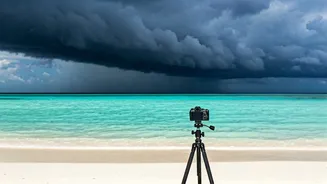
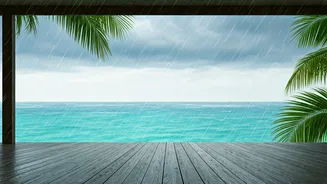
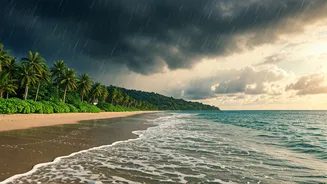
First, let's clarify what "rainy season" actually means. It’s rarely a months-long, non-stop downpour. In many island destinations, it translates to a higher probability of daily, intense, but often brief afternoon showers. The clouds roll in, the sky
opens up for an hour, and then the sun returns, leaving the air fresh and the landscape glistening. The real issue isn’t the rain itself, but its severity and frequency. The goal isn't to find a place with zero chance of rain; it's to avoid the periods when the risk of a total washout or a major weather event, like a hurricane or typhoon, is highest.
Cracking the Caribbean Code
The Caribbean is a vast region, but the general rule of thumb for travelers is the Atlantic Hurricane Season, which officially runs from June 1 to November 30. August, September, and October are historically the most active months. Planning a trip during this period, especially to islands in the main hurricane belt—like the Lesser Antilles, Puerto Rico, and the Bahamas—is a gamble. You might get a week of perfect sun, or you might face a vacation-ending storm. For a safer bet during these months, look south. The so-called "ABC Islands"—Aruba, Bonaire, and Curaçao—are located outside the primary hurricane belt and experience a significantly drier climate year-round. While they can still get rain, the chances of a major disruptive storm are far lower, making them a popular choice for summer and fall travel.
The Hawaii Hack: Windward vs. Leeward
Hawaii’s weather is wonderfully complex, and timing depends more on *where* you are on an island than *when* you go. The state has two main seasons: a dry summer (May to October) and a wetter winter (November to April). However, the islands' volcanic geography creates a more important distinction: the windward (northeastern) and leeward (southwestern) sides. Trade winds bring moisture from the northeast, hitting the mountains and dumping rain on the windward coasts. This is why these areas are lush, full of rainforests and waterfalls. The leeward sides, in contrast, are shielded by the mountains and remain sunny and dry. Most of the major resort areas—like Ka'anapali on Maui, Waikiki on Oahu, and the Kohala Coast on the Big Island—were built on the leeward side for this very reason. So, even during Hawaii’s “rainy” season, you can often find sun just by driving to the other side of the island.
The Silver Lining of the Off-Season
If you’re a budget-conscious or crowd-averse traveler, the rainy season can be a blessing in disguise. This is the “off-season” or “shoulder season,” and it comes with significant perks. Airfare and accommodation prices can drop dramatically, sometimes by as much as 50%. Popular beaches, restaurants, and attractions that are packed during the high season become blissfully quiet. You get a more authentic, relaxed version of the destination. If you’re willing to be flexible and pack a rain jacket, you can enjoy a five-star experience for a three-star price. The key is to embrace the possibility of a few indoor afternoons spent reading a book, visiting a spa, or exploring a local museum.