





The Rise of the Micro-Cation
For many, the idea of a vacation conjures images of passports, long-haul flights, and exotic locales. But for a significant slice of Gen Z—the demographic born between 1997 and 2012—the ultimate escape is looking decidedly different. It's smaller, closer,
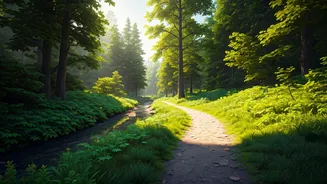
and a whole lot greener. Instead of saving for a single, blowout trip to Europe or Southeast Asia, younger Americans are increasingly opting for short, restorative breaks in nature that are accessible from their own backyards. Think weekend camping trips in a state park, a day spent exploring regional botanical gardens, or hiking trails just outside the city limits. This trend isn't about a lack of ambition; it's a recalibration of priorities, where the value of an escape is measured in peace of mind rather than miles traveled.
Driven by Values, Not Just Budgets
While financial constraints are certainly a factor, the shift toward local green escapes is rooted in something deeper than economics. Gen Z is a generation uniquely shaped by an awareness of climate change and a focus on mental wellness. The carbon footprint of air travel is a real consideration for many, making a carpool to a nearby forest a more ethically comfortable choice. Furthermore, after growing up hyper-connected and online, the appeal of 'unplugging' is immense. A quiet walk among trees offers a powerful antidote to the constant barrage of notifications and digital noise. This search for authenticity stands in stark contrast to the highly curated, performative travel that dominated social media for years. The goal is no longer just to get the perfect photo, but to have a genuine experience.
The Economic Reality of Modern Travel
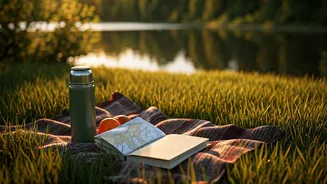
It’s impossible to ignore the practicalities. With rising inflation, student loan debt, and an uncertain job market, the financial barrier to traditional travel is higher than ever. A cross-country flight, hotel stays, and dining out for a week can cost thousands of dollars—a sum that is simply out of reach for many young adults just starting their careers. Nearby nature escapes offer a high-reward, low-cost alternative. A state park pass is a fraction of the cost of a plane ticket, and packing a picnic is far cheaper than relying on tourist-priced restaurants. This budget-conscious approach allows for more frequent breaks, preventing burnout without breaking the bank. It's a pragmatic solution to the very real need for rest and recuperation in a demanding world.
How Social Media Is Changing the Game
While Instagram once glorified infinity pools and luxury resorts, the visual language of social media is evolving. On platforms like TikTok, authenticity reigns supreme. The algorithm often favors relatable, lo-fi content over glossy, professional shots. A user sharing a hidden gem of a hiking trail, a beautiful local lake at sunset, or tips for first-time campers can easily go viral, inspiring thousands of others to explore their own local areas. Hashtags like #localhikes, #stateparks, and #daytrip challenge the notion that adventure requires a plane ticket. This user-generated content acts as a crowdsourced travel guide, highlighting accessible beauty and fostering a community around shared local discoveries. The new travel porn isn't a five-star hotel; it's a stunning, unfiltered view you can reach by sundown.