





Why This Hack Is a Game-Changer
Before we get to the recipe, let's talk about why this simple concoction is so effective. The magic lies in combining two powerhouse ingredients. First, you have standard white vinegar. Its acetic acid is a natural disinfectant that cuts through grime,
grease, and mineral deposits from hard water. It’s a classic, inexpensive cleaning staple for a reason. Then you have the citrus peels. Orange, lemon, lime, and grapefruit peels are packed with an oil called d-Limonene. This compound is a natural solvent and degreaser, which is why it's a common ingredient in many commercial cleaning products. When you infuse vinegar with these peels, the d-Limonene leaches into the liquid, boosting its cleaning power and, just as importantly, masking the harsh smell of vinegar with a fresh, bright citrus scent. The result is a non-toxic, biodegradable, and incredibly cheap all-purpose cleaner made from things you were going to throw away anyway.
What You'll Need
The beauty of this project is its simplicity. You don't need any special equipment or hard-to-find ingredients. In fact, you probably have everything in your kitchen right now. Here’s your short shopping list: - **A large glass jar with a lid:** Anything from a big pickle jar to a large Mason jar will work perfectly. Just make sure it’s clean. - **Citrus peels:** Start saving them! You can use peels from oranges, lemons, limes, grapefruit, or a mix. There's no need to be precious about it; just collect them in your jar as you eat the fruit. - **Distilled white vinegar:** The plain, cheap kind is exactly what you want. A big jug from the grocery store costs just a few dollars and will last you for several batches.
The Simple, Step-by-Step Guide
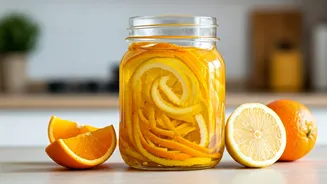
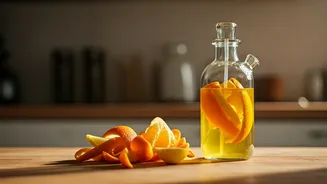
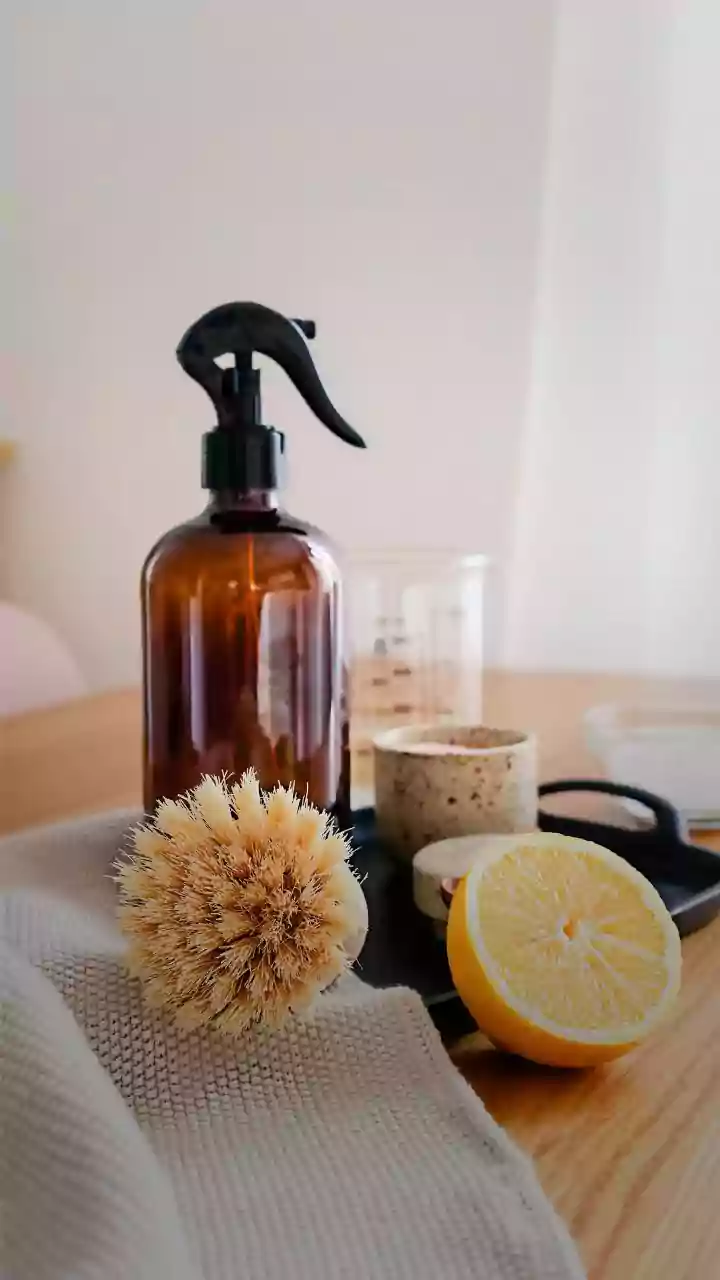
Ready to make your own supply of citrus-scented cleaning gold? It’s almost laughably easy. 1. **Collect Your Peels:** As you eat citrus, simply place the peels inside your large glass jar. Keep adding to it until the jar is at least half full, or even packed to the top. A mix of different peels will create a more complex, pleasant aroma. 2. **Add the Vinegar:** Once your jar is full of peels, pour the distilled white vinegar over them until they are completely submerged. You want to ensure all the peels are covered to prevent any mold from growing on exposed surfaces. 3. **Seal and Wait:** Screw the lid on the jar and give it a good shake. Now for the hard part: waiting. Place the jar in a cool, dark place (like under the sink or in a pantry) and let it infuse for two to four weeks. The longer you let it sit, the more potent the citrus scent and cleaning power will be. Give it a shake every few days if you remember. 4. **Strain and Store:** After a few weeks, the vinegar will have turned a lovely golden-orange color and will smell strongly of citrus. Strain the liquid through a fine-mesh sieve or cheesecloth to remove all the peels and pulp. You can compost the leftover peels. Pour your finished cleaner into a spray bottle or another storage container.
How to Use Your Cleaner
You now have a concentrated cleaning solution. For most everyday tasks, you’ll want to dilute it. A good starting ratio is one part citrus vinegar to one part water in a spray bottle. This diluted solution is fantastic for a wide range of household chores. Use it to: - Wipe down kitchen counters and backsplashes to cut through grease. - Clean sinks and faucets to remove hard water spots and soap scum. - Mop linoleum or tile floors for a streak-free shine. - Clean windows and mirrors (the vinegar leaves a streak-free finish). - Deodorize your garbage disposal by pouring a small amount down the drain. Its degreasing and disinfecting properties make it a true multi-purpose workhorse for the most common messes around the house.
Important: What to Avoid
While this DIY cleaner is incredibly versatile, its acidity means it's not safe for every surface. You should **never** use a vinegar-based cleaner on natural stone surfaces. This includes: - Granite countertops - Marble surfaces - Travertine or soapstone The acid can etch, dull, and permanently damage the finish of these materials. For stone, stick to a pH-neutral cleaner specifically designed for that purpose. It's also wise to avoid using it on unsealed grout, hardwood floors (as it can damage some finishes), or on electronic screens. When in doubt, always test on a small, inconspicuous area first.