


When the Rain Changes Everything
For months, much of India bakes under a relentless sun. The heat is oppressive, dictating the rhythms of daily life. Then, sometime around June, the sky darkens, the temperature drops, and the monsoon arrives. It’s a season of dramatic transformation,
bringing relief, life, and a profound shift in the national mood. The sound of rain drumming on tin roofs, the cool breeze, and the lush green that carpets the landscape create an atmosphere that feels almost magical. This sensory overhaul doesn't just change the scenery; it changes what people want to eat. The desire for cooling salads and light curries evaporates, replaced by a deep-seated yearning for things that are hot, savory, and steeped in memory.
The Universal Call for Crunch
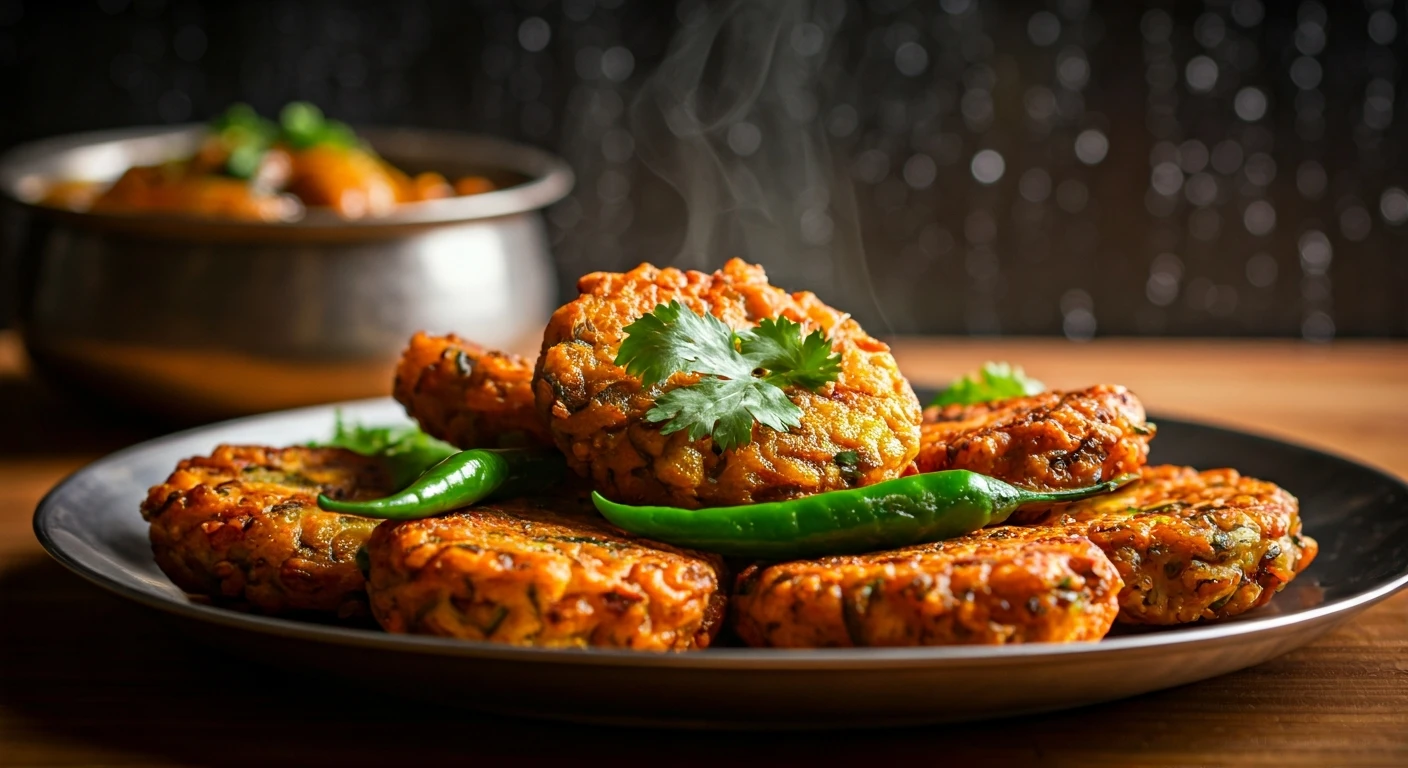
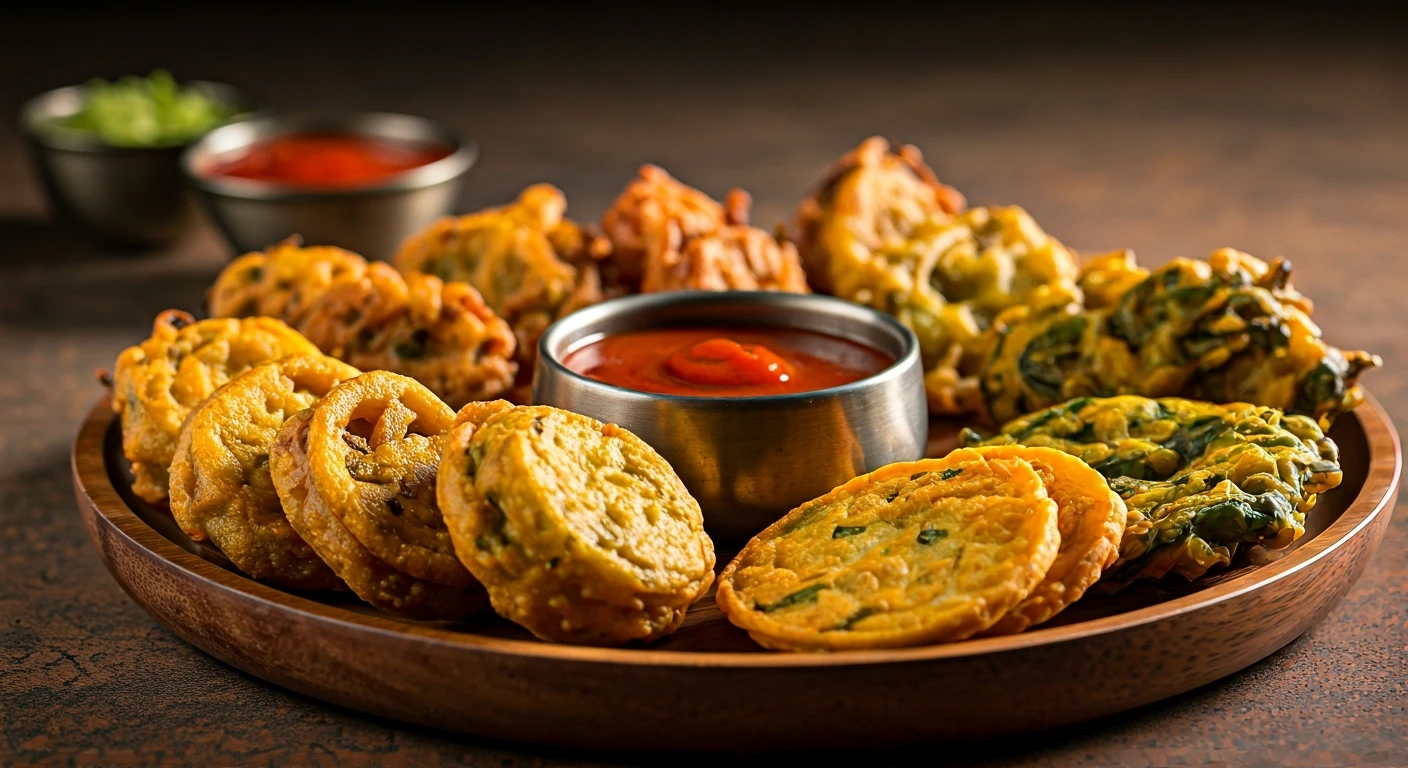
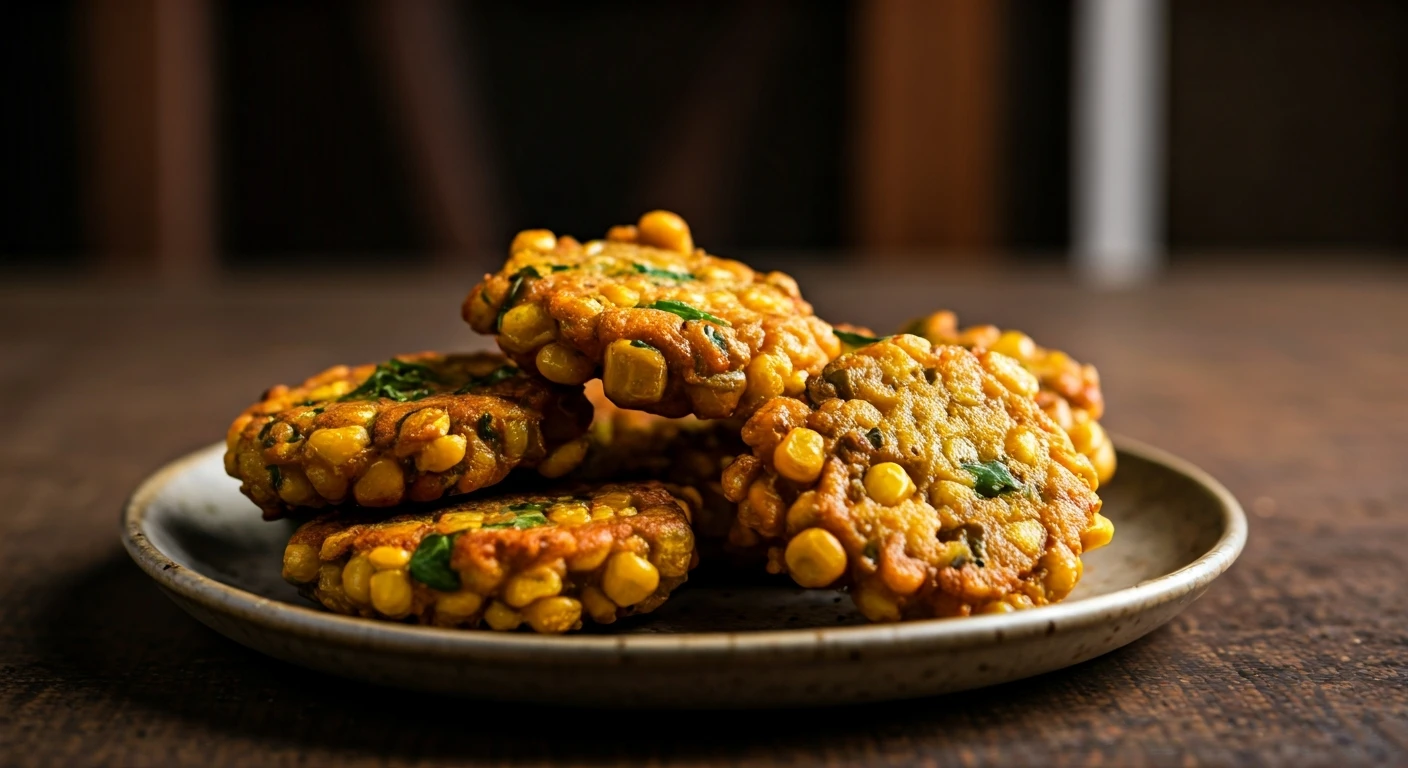
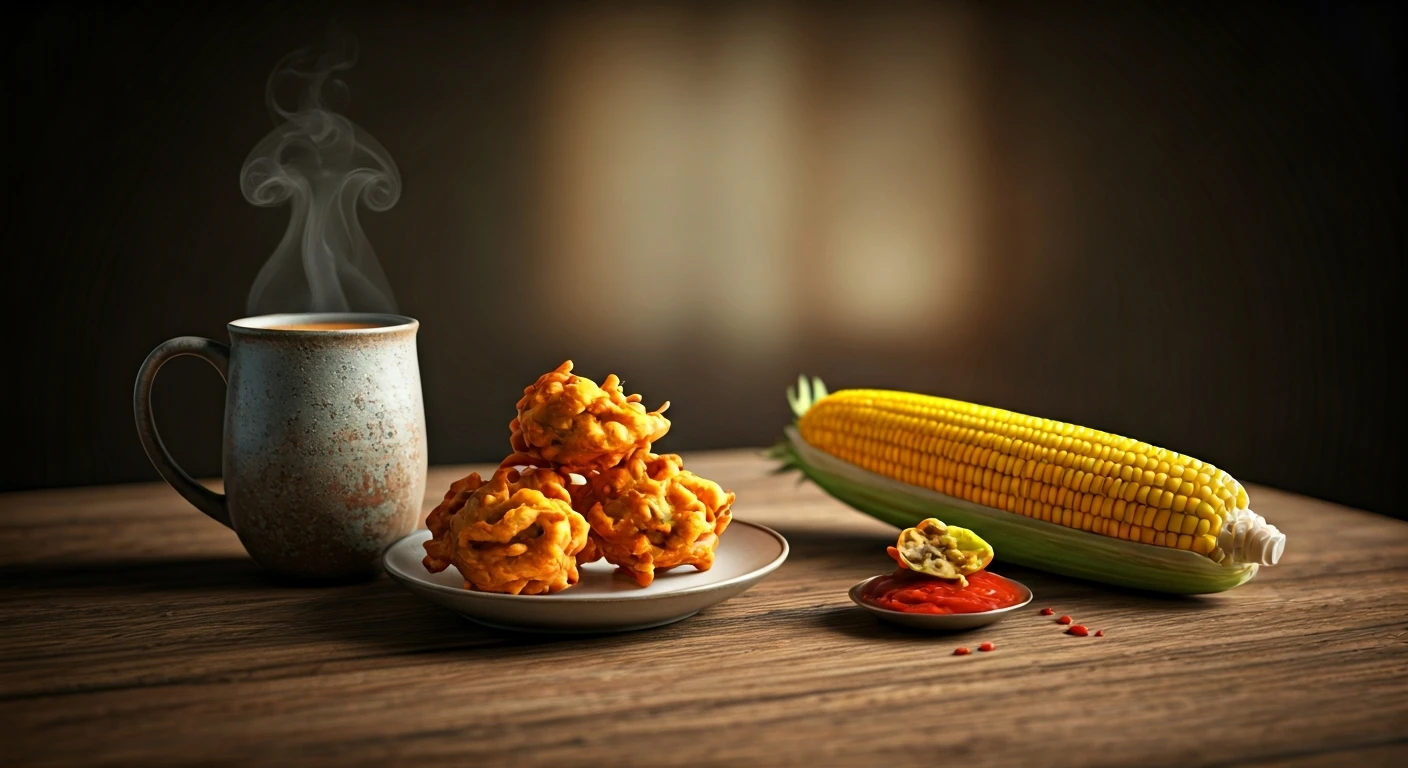
If there’s one food that defines the Indian monsoon, it’s the pakora. These savory fritters—made by dipping vegetables like onions, potatoes, or spinach in a spiced chickpea flour batter and deep-frying them to golden perfection—are the season’s undisputed star. Served piping hot with a side of mint chutney or tangy tamarind sauce, they offer the perfect contrast to the damp, cool weather. The crisp texture and savory warmth feel like a culinary shield against the downpour. Closely related is the samosa, a pyramid-shaped pastry filled with spiced potatoes and peas. The ritual is almost universal: as the rain starts to fall, someone in the family will inevitably declare, "It’s time for pakoras and chai." It’s a Pavlovian response that connects the sound of rain with the sizzle of a frying pan, a tradition passed down through generations.
The Street-Side Ritual
As the rain subsides but the clouds linger, street vendors across India fire up their charcoal grills for another monsoon icon: bhutta, or roasted corn on the cob. The experience is as much about the process as the taste. You watch as the vendor fans the embers, turning the corn until it’s lightly charred and fragrant. Once cooked, it’s rubbed with a mixture of salt, chili powder, and a generous squeeze of lime juice. The combination of smoky, sweet, spicy, and sour flavors is electrifying. Eating bhutta on a rain-slicked street corner, with the smell of charcoal smoke mingling with the scent of wet earth, is a core memory for millions. It’s a simple, communal pleasure that tastes of the season itself.
A Hug in a Mug
No monsoon snack is complete without its liquid counterpart: a steaming cup of masala chai. This isn't your standard coffee-shop chai latte. Authentic Indian chai is a potent brew of black tea, milk, and sugar, simmered with a blend of aromatic spices like cardamom, ginger, cloves, and cinnamon. The ginger provides a gentle heat that warms you from the inside out, making it the ideal beverage for a cool, rainy day. The act of sipping chai while watching the rain fall is a moment of pure comfort and contemplation. It’s the anchor of the monsoon culinary experience, the warm, spiced hug that ties all the fried, savory snacks together.
The Ultimate Comfort Bowl
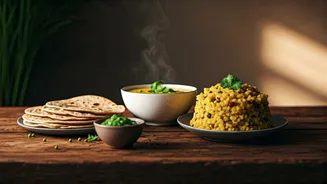
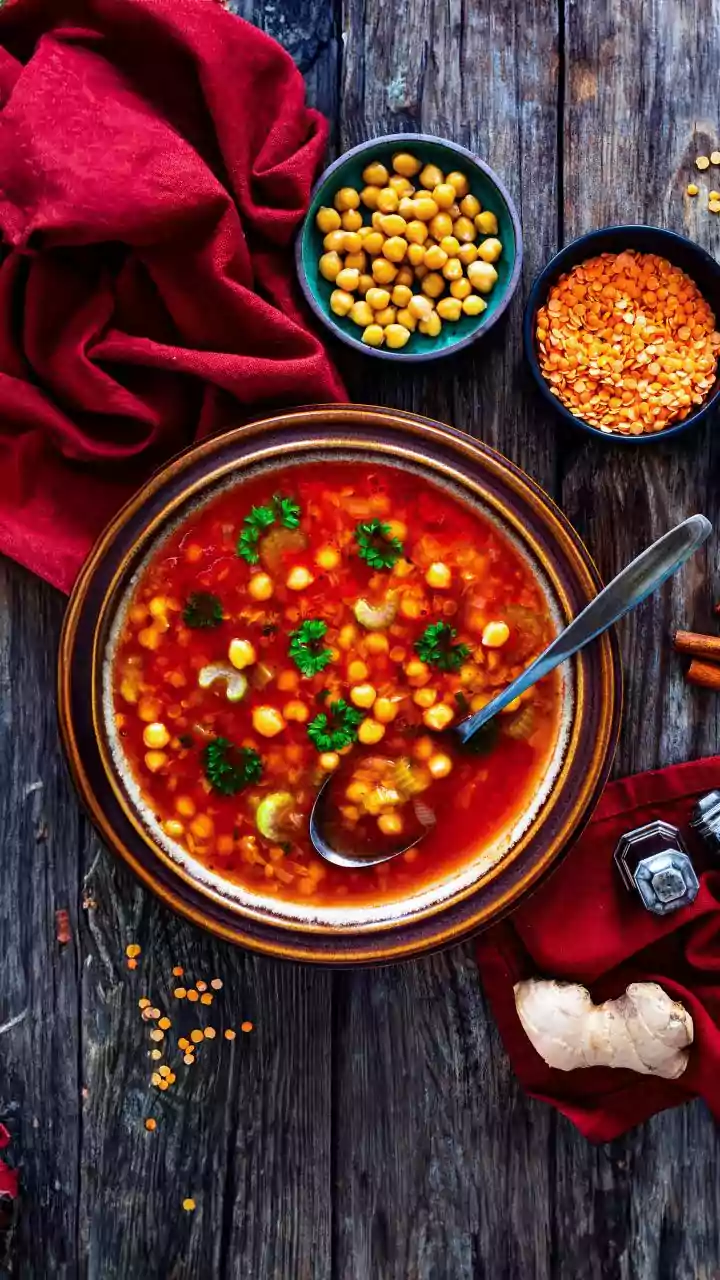
While fried snacks dominate the monsoon conversation, the season also calls for a quieter, more restorative form of comfort. Enter khichdi. At its most basic, khichdi is a humble, one-pot dish of rice and lentils cooked together until soft and porridge-like. Often lightly spiced with turmeric and cumin and finished with a dollop of ghee (clarified butter), it’s the Indian equivalent of chicken noodle soup—the food you eat when you’re sick, sad, or just in need of simple nourishment. On a rainy day, a warm bowl of khichdi feels like a protective embrace. It’s easily digestible and deeply soothing, representing a return to the basics and the ultimate expression of home-cooked, childhood comfort.