
The Flavor That Hits Every Note
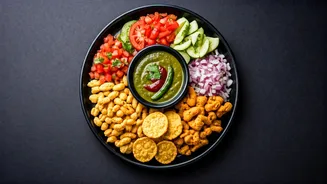
If you’ve ever had chaat, the beloved category of Indian street snacks, you know chatpata. The word itself translates to “piquant” or “lip-smacking,” but that barely scratches the surface. It’s not a single ingredient but a masterful symphony of tastes
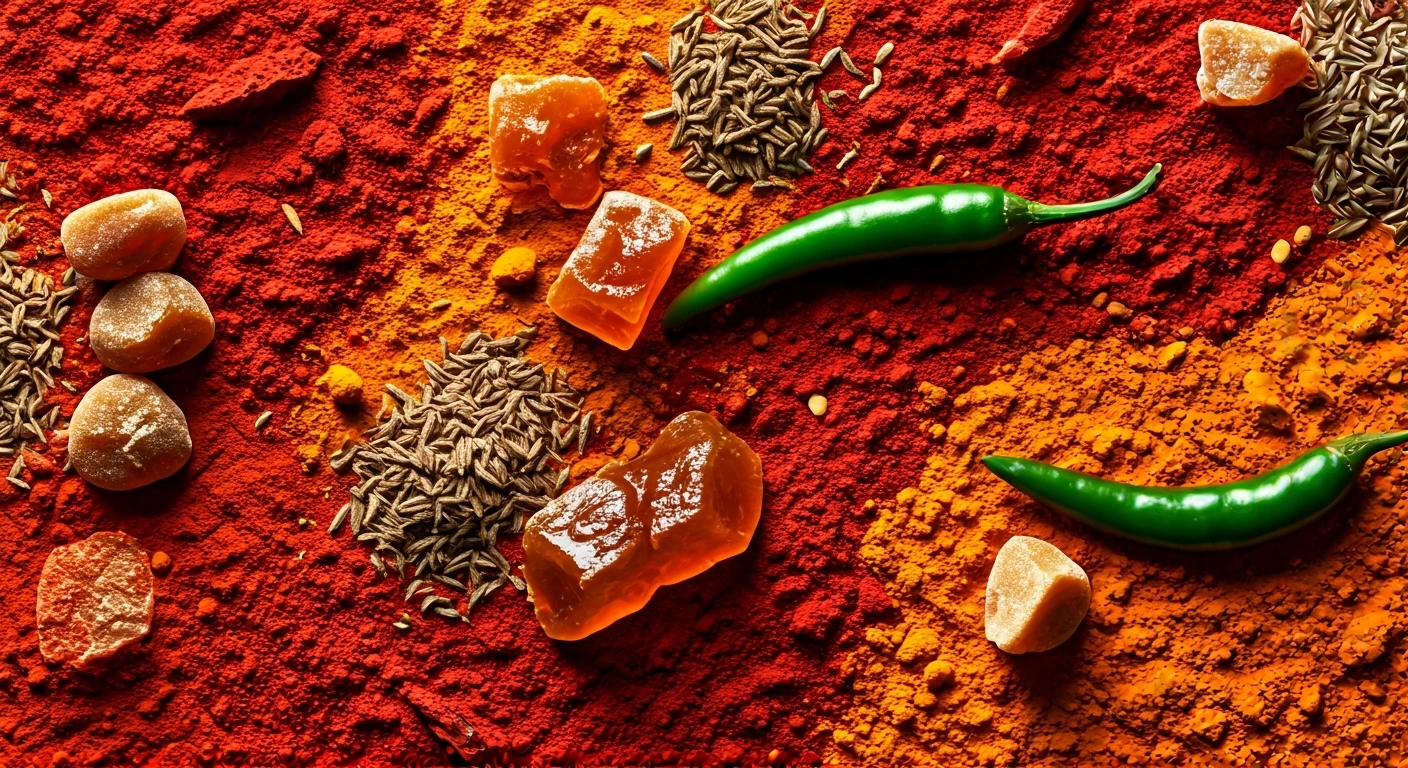
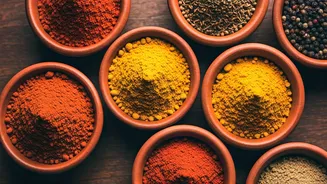
and textures. Think of the zesty tang from amchur (dried mango powder) or tamarind, the sudden kick of chili, the underlying sweetness from jaggery, the funky, savory depth of kala namak (black salt), and the refreshing notes of cilantro and mint. It’s all brought together with a satisfying crunch from components like sev (crispy chickpea noodles) or puffed rice. For decades, this flavor profile was primarily associated with casual, on-the-go eating. It was the taste of bustling markets and family gatherings, a delightful explosion found in dishes like pani puri, bhel puri, and aloo chaat. But to see it as *just* a snack is to miss the point. Chatpata is a complex, carefully balanced culinary concept—one that’s finally getting its due in the world of high-end American dining.
From Street Snack to Center Stage
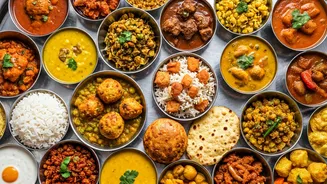
For a long time, the Indian food available in the United States was a fairly narrow representation of a vast and diverse cuisine. Menus were often dominated by creamy, anglicized mainstays like chicken tikka masala and saag paneer—delicious, but hardly representative of India’s incredible regional diversity. These dishes were designed to be safe and approachable for a Western palate that was, at the time, perceived as being averse to bold, funky, or unapologetically spicy flavors. That era is decisively over. A new generation of South Asian chefs in America is leading a culinary revolution. They are cooking with confidence, pride, and a refusal to compromise on the authentic flavors of their heritage. Instead of toning things down, they’re turning them up. This movement is about showcasing the specificity of regional Indian cooking, from the coastal flavors of Kerala to the robust dishes of Punjab. And chatpata, with its in-your-face complexity, is the perfect standard-bearer for this new wave.
The Chefs Leading the Charge
This isn't a quiet trend; it's being driven by some of the most talked-about chefs and restaurants in the country. Look at the work of Chintan Pandya, the chef behind New York’s celebrated and Michelin-starred restaurants Dhamaka and Semma. His philosophy is built around presenting “the other side of India,” focusing on provincial dishes that rarely made it to U.S. menus. His menus feature flavors that are unapologetically bold and complex—the very essence of chatpata. Across the country, other chefs are playing with the same concepts. They’re deconstructing classic chaat, using high-end ingredients and refined techniques to elevate the experience without losing its soul. You might find a chaat-inspired appetizer featuring local, seasonal fruit instead of potatoes, or a crudo that borrows the tangy-spicy-sweet dressing of a bhel puri. It’s not about simple replication; it’s about using the chatpata flavor profile as a launchpad for creativity. This “serious chef energy” treats the complex balance of chaat with the same respect a French chef would afford a mother sauce.
A Shift in the American Palate
So, why now? The rise of chatpata is a perfect storm of cultural shifts. First, American diners are more adventurous than ever before. Thanks to travel, food television, and the internet, palates have become more global and sophisticated. There’s a genuine hunger for authenticity and new experiences. Second, social media has transformed how we discover food. The vibrant, multi-textured, and colorful nature of chatpata-laced dishes makes them incredibly photogenic and shareable, creating viral interest on platforms like Instagram and TikTok. Most importantly, this is a story about diaspora chefs claiming their narrative. They are no longer cooking for an imagined audience but for themselves and their communities, confident that everyone else will come along for the ride. By putting these powerful, distinctive flavors front and center, they are challenging outdated perceptions and educating diners on the true depth and breadth of Indian cuisine. They are proving that the food of the streets can also be the food of celebration, innovation, and critical acclaim.