

What is a 'Veg Plate'?
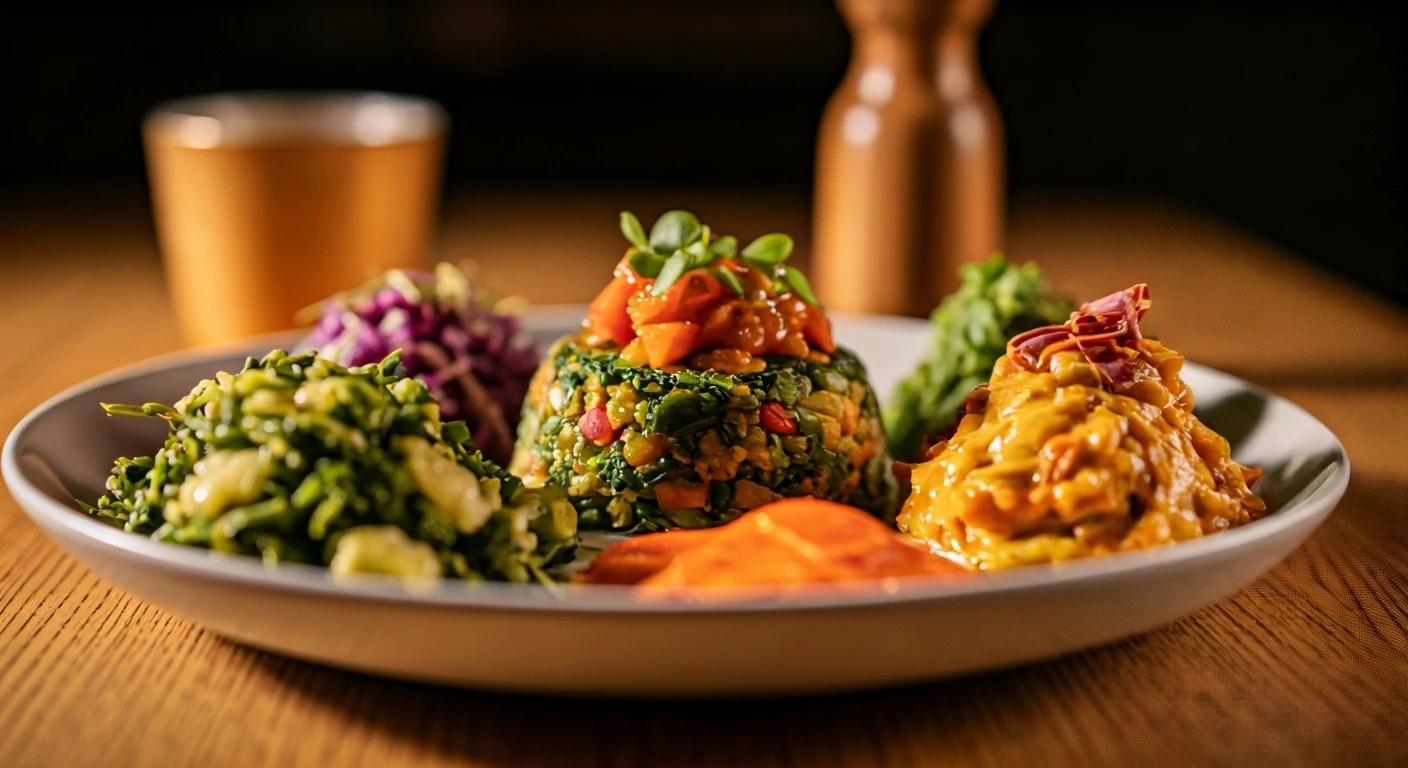
First, let’s get one thing straight. A Caribbean veg plate, or veggie platter, is not a sad, uninspired garden salad. It’s the absolute antithesis. Think of it as a vibrant, composed tasting menu on a single plate, a mosaic of colors, textures, and deeply
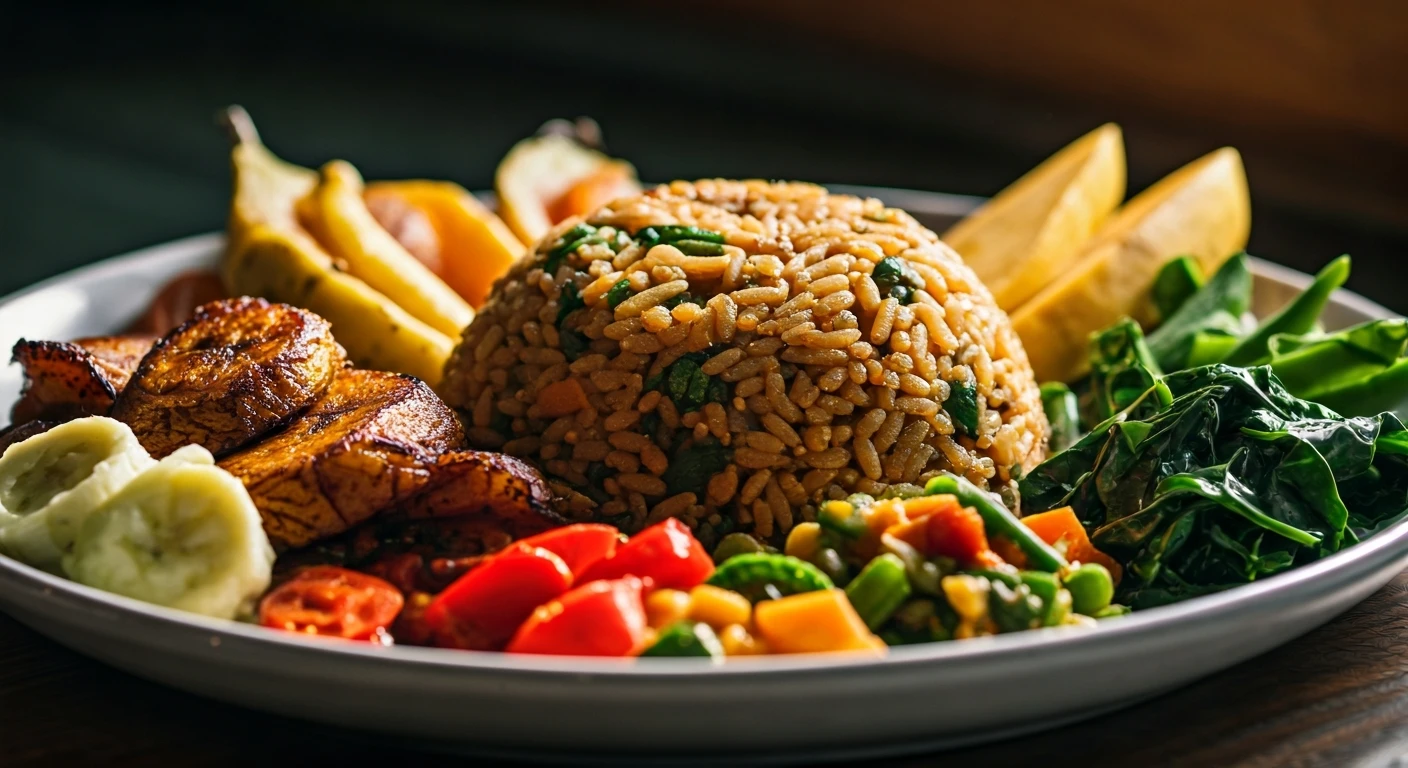
satisfying flavors. Typically served at Jamaican, Trinidadian, and other Caribbean eateries, this isn't a mere side dish; it's a main event. The plate is a collection of several different plant-based preparations, each one a star in its own right. You’ll often find a foundation of rice and peas—rice cooked with kidney beans and coconut milk—alongside a rich stew, sautéed greens, starchy provisions, and a sweet counterpoint. It's a testament to the ingenuity of a cuisine that has long celebrated vegetables not as an afterthought, but as the heart of a meal.
Decoding the 'Dare'
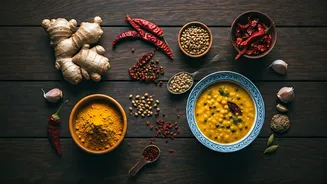
So, where does the “dare” come in? It’s not about scorching your taste buds into submission, though you can certainly find heat if you want it. The true dare is one of complexity. For a palate accustomed to more muted American or European fare, a Caribbean veg plate is an explosion. The challenge is to embrace the unfamiliar and surrender to a new flavor logic. You'll encounter the warm, clove-like notes of allspice (known as pimento in Jamaica), the earthy fragrance of thyme, the sharp bite of scallions, and the subtle, lingering fire of a Scotch bonnet pepper, which provides as much fruity flavor as it does heat. The dare is to let go of expectations and allow the sweet plantain to mingle with the savory black-eyed pea stew, or the creamy richness of callaloo to complement the starchy yam. It's a dare to expand your definition of a satisfying meal.
A Quick Tour of the Plate
While every restaurant and home cook has their own unique combination, you're likely to find a few staples on your plate. 'Ital stew' is a common centerpiece, a hearty, slow-cooked medley of vegetables and legumes like carrots, potatoes, and broad beans in a coconut-based gravy, seasoned with thyme and pimento. You might also find 'callaloo,' a delicious dish of simmered greens—often amaranth or dasheen leaves—sautéed with onion, garlic, and spices. Steamed cabbage, lightly cooked until tender-crisp with slivers of carrot, provides a refreshing crunch. And no plate is complete without fried plantain. The sweet, caramelized edges of the plantain offer a perfect counterpoint to the savory and spicy elements, acting as a delicious reset button between bites. Each component is distinct, yet they all work in beautiful harmony.
More Than a Trend, It's a Tradition
While the veg plate might feel like a new discovery for many stateside foodies, its roots are deep and culturally significant. The emphasis on plant-based eating is central to the Ital food philosophy of the Rastafari movement. 'Ital' is derived from the word 'vital,' and the diet focuses on natural, unprocessed, earth-grown foods to promote livity, or life force. This tradition has championed plant-based cooking for decades, long before it became a global trend. So, when you order a veg plate, you're not just trying a new dish; you're participating in a rich culinary heritage. You're tasting a philosophy of wellness, resourcefulness, and respect for the earth that has been passed down through generations. It's food with a story, which always tastes better.