



The Spring 'It' Legume
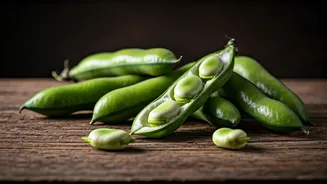
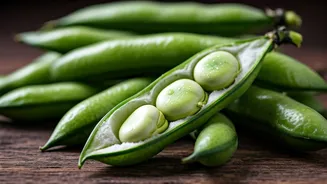
If you’ve noticed a bright, almost electric green popping up on your social media feeds and favorite menus, you’re not imagining things. Fava beans, also known as broad beans, have officially shed their old-fashioned reputation to become the darling of modern
American cuisine. For years they were a quiet staple of Mediterranean and Middle Eastern diets, but now, top chefs from Los Angeles to New York are championing their unique flavor and texture. Their arrival is a celebrated sign of spring, a fleeting seasonal treat that signals an end to the long, root-vegetable-filled winter. This scarcity and seasonality are a huge part of their appeal. Unlike canned chickpeas or frozen peas, fresh fava beans are a limited-time offer, making them feel like an event—a culinary experience you have to seize while you can.
So, What's the Big Deal?
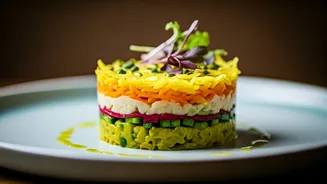
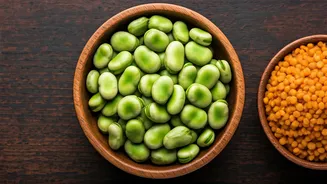
What makes food lovers wax poetic about a bean? In a word: texture. After being freed from their pods and individual skins, fava beans have a creamy, buttery consistency that’s firm enough to hold its shape but yields to a satisfyingly tender bite. Their flavor is complex—nutty, slightly sweet, and subtly grassy with a hint of pleasant bitterness. They don't have the starchy density of a lima bean or the mushiness of an overcooked navy bean. Instead, they offer a sophisticated pop of flavor and color that can elevate a simple salad, be blitzed into a luxurious dip, or tossed with pasta, mint, and pecorino for a dish that tastes like pure springtime. They are the versatile, interesting friend that makes every dish they’re in a little more exciting.
A Labor of Love (That’s Worth It)
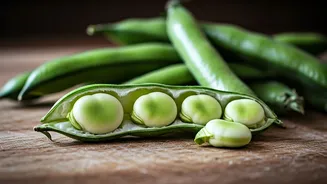
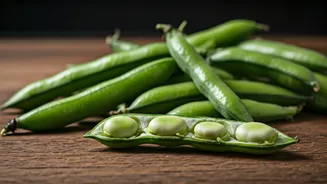
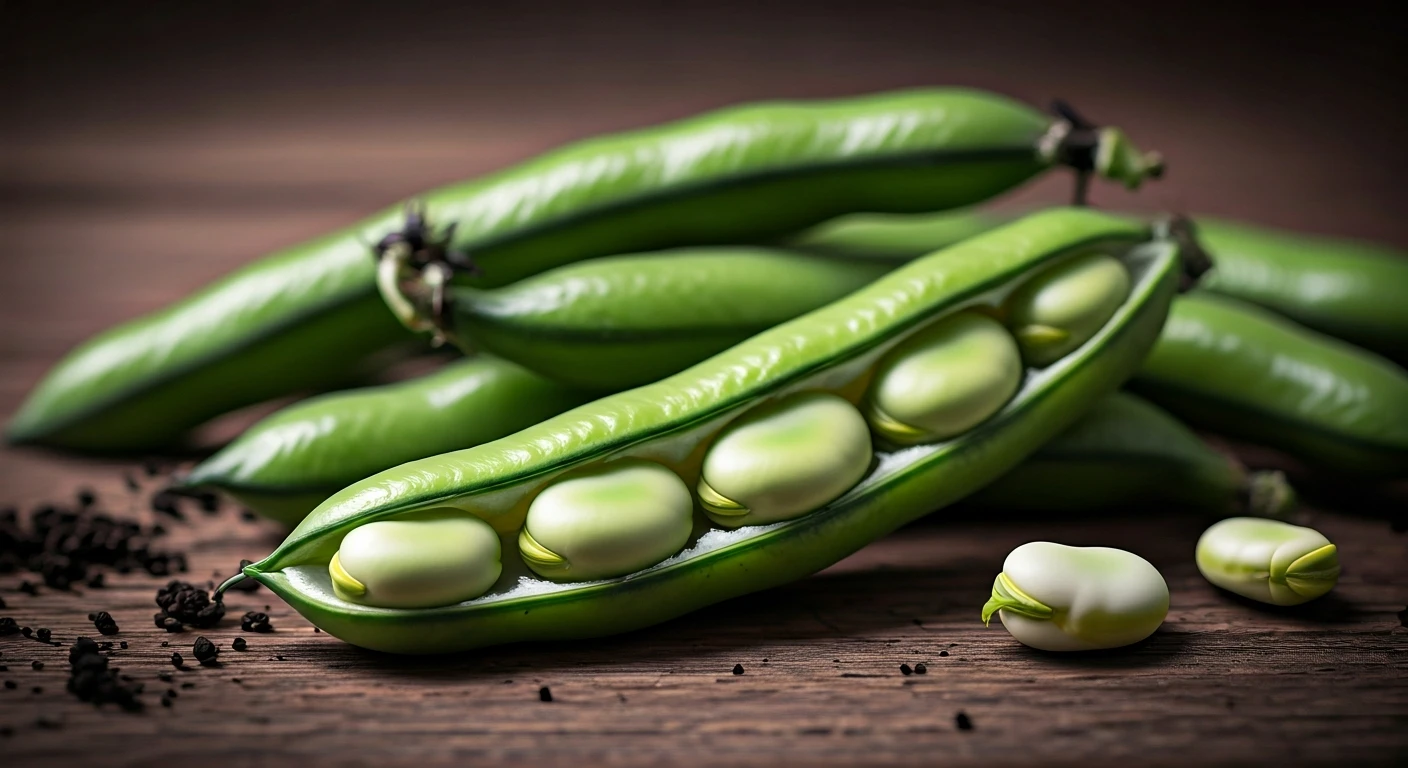
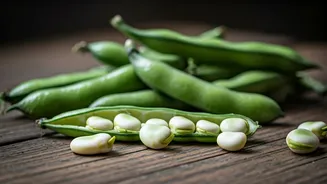
Let’s be honest: fava beans demand a bit of work. This isn't a rip-and-pour situation. Preparing fresh favas is a two-step process. First, you have to shuck them from their large, puffy pods. This reveals the individual beans, each nestled in its own little cottony bed. But you’re not done yet. Each of those beans is encased in a pale, waxy skin that needs to be removed. The easiest way to do this is to blanch the shelled beans in boiling water for about 30 seconds, then plunge them into an ice bath. The skin will then slip right off with a gentle pinch. While it sounds like a chore, many cooks find it to be a meditative, rewarding ritual. It’s a moment to slow down and connect with your food—a stark contrast to our usual convenience-driven cooking. And the payoff is a bowl of emerald-green jewels that taste infinitely better than anything you can buy frozen.
An Ancient Food's Modern Moment
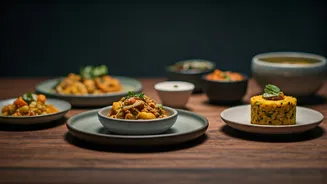
While they may feel new and trendy to many Americans, fava beans are one of the oldest cultivated plants in human history. With origins tracing back thousands of years to the Fertile Crescent, they have been a dietary cornerstone across North Africa, the Middle East, and Europe for millennia. From Egypt’s national dish, *ful medames*, to Italy’s simple springtime snack of raw favas and pecorino cheese, these beans carry a rich cultural heritage. Their current celebrity status in the U.S. isn’t an invention of a new food, but the rediscovery of an ancient one. This trend taps into a broader movement in American food culture: an appreciation for heirloom ingredients, seasonal eating, and the stories behind what we put on our plates. By embracing the fava bean, we’re participating in a tradition that’s thousands of years old, which feels pretty special.
A Quick Word of Caution
For all their wonderful qualities, fava beans come with one important caveat. A small percentage of the population, primarily those of Mediterranean or African descent, has a genetic condition called Glucose-6-Phosphate Dehydrogenase (G6PD) deficiency. For these individuals, consuming fava beans can trigger a severe and dangerous reaction known as favism, which leads to the rapid destruction of red blood cells. While it doesn't affect the vast majority of people, it’s a serious condition for those who have the deficiency. It’s always a good idea to be aware, especially if you have a family history of this genetic trait or are serving the beans to a large group.