






An Annual Tradition of Caution
Every year, as dark clouds gather over South Asia, a familiar wave of public service announcements begins. In countries like India, the monsoon season (roughly June to September) is a celebrated period of relief from scorching heat. It replenishes rivers,
nourishes crops, and transforms the landscape into a lush green paradise. But alongside the romance of the rains comes a parallel tradition: a specific set of dietary guidelines, often amplified by doctors and wellness experts, designed to navigate the health challenges of the season. This isn't a trendy new fad diet; it's a centuries-old practice rooted in Ayurvedic principles and reinforced by modern medical science. The core idea is that the dramatic shift in humidity, temperature, and environment requires an equally deliberate shift in what and how we eat.
The Science Behind the Warnings
So, why all the fuss? The primary driver is water. The monsoon season is defined by heavy rainfall, which can lead to waterlogging and contamination of the water supply. This creates a perfect breeding ground for bacteria, viruses, and parasites. Pathogens responsible for illnesses like cholera, typhoid, and gastroenteritis thrive in these conditions. This increased risk is why street food, especially items using unverified water sources (like the spicy water in pani puri or ice in drinks), is the first thing to get a red flag from doctors. Furthermore, the high humidity can impact our bodies directly. According to both traditional medicine and contemporary observations, the digestive system can become more sluggish during this period. The body's 'digestive fire,' or metabolic rate, is thought to weaken, making it harder to break down heavy, oily, or raw foods. This can lead to bloating, indigestion, and general discomfort.
The 'Do Not Eat' List
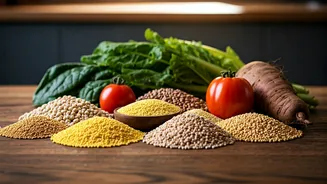
The list of foods to avoid during monsoon season might seem counterintuitive to a Western palate accustomed to year-round salads. Topping the list are raw leafy greens. While spinach and lettuce are healthy, their crinkly surfaces can trap dirt and microbes that are difficult to wash away, especially if the water itself is suspect. They are also prone to wilting and spoiling faster in the damp air. Seafood, particularly certain types of fish and prawns, is also often discouraged. The monsoon season is the breeding period for many fish, which can affect their quality and increase the risk of stomach infections. Deep-fried, oily snacks are another no-go. Already taxing on the digestive system, they feel even heavier when the body's metabolism is naturally slower. Finally, dairy products like yogurt or cheese are sometimes consumed with caution, as they can be harder to digest and may exacerbate mucus production if you catch a cold.
So, What’s on the Menu?
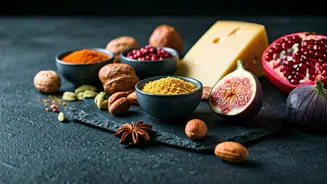
A monsoon diet isn't about deprivation; it's about smart swaps. The emphasis shifts to light, warm, and freshly cooked meals. Instead of raw salads, well-cooked vegetables take center stage. Seasonal gourds like bottle gourd and bitter gourd are particularly popular as they are light and easy on the stomach. Lentil soups (dal), brothy stews, and khichdi (a simple rice and lentil porridge) become staples. Fermented foods like idli and dosa are considered good choices because the fermentation process makes them easier to digest. Spices aren't just for flavor; they play a medicinal role. Turmeric is prized for its anti-inflammatory and immunity-boosting properties, while ginger and black pepper are used to aid digestion and provide warmth. Warm beverages, especially herbal teas made with ginger, mint, or holy basil (tulsi), replace cold drinks to help maintain digestive strength and soothe the throat.
The Takeaway for a U.S. Kitchen
For those of us in the U.S., there’s no need to ditch our summer Caprese salad. We benefit from robust water treatment facilities and food supply chains that mitigate many of the risks faced in monsoon-affected regions. However, the principles behind monsoon eating offer a valuable, universal lesson in mindful eating. It’s a powerful reminder that our bodies don't exist in a vacuum; they are deeply connected to our environment. The wisdom of the monsoon diet encourages us to eat seasonally, prioritize food safety (like thoroughly washing produce, no matter where you live), and listen to our bodies. On a hot, humid day in Houston, a heavy, greasy meal might feel just as unpleasant as it would in Mumbai. The core message is one of adaptation—tuning into what your body needs based on the conditions around you, a practice that's beneficial no matter the climate.