

What is ‘Newstalgia’?
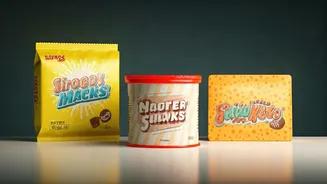
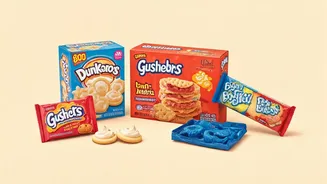
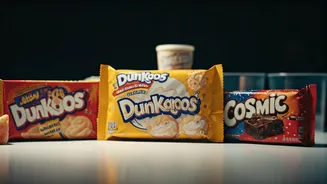
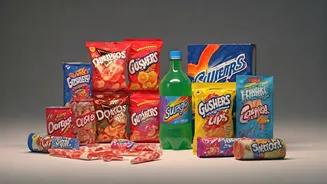
Think of it as nostalgia with a modern filter. This isn’t just about re-releasing a dusty, forgotten product. ‘Newstalgia’ is the strategic revival of beloved brands, flavors, and packaging from the past, but updated for the present. It’s the return of General
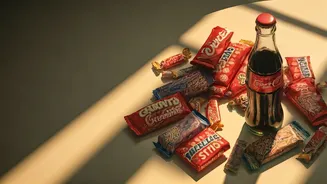
Mills’ Dunkaroos, but announced on TikTok. It’s Crystal Pepsi coming back not as a permanent fixture, but as a limited-edition social media event. Simple nostalgia is wanting what you used to have; newstalgia is about re-experiencing that memory in a new, often shareable, way. It takes the emotional comfort of the familiar and repackages it with the novelty and exclusivity that today’s consumers crave. The goal isn't just to sell a cookie or a soda; it's to sell a feeling, a moment of connection to a simpler time, perfectly framed for an Instagram feed.
The Comfort Food Comeback
So, why is this happening now? The primary driver is the generation that grew up with these products: Millennials. Now in their 30s and early 40s, they are the key consumer demographic, often with kids of their own. Facing economic uncertainty, political division, and the general stress of adult life, they are seeking psychological comfort wherever they can find it. A taste of a childhood favorite offers a low-stakes, reliable dose of happiness. For a few dollars, you can buy a small piece of a time when your biggest worry was finishing your homework before your favorite cartoon came on. Food brands understand this powerful emotional pull. They know that a Millennial parent buying Dunkaroos for their child isn't just buying a snack; they're sharing a piece of their own history and creating a new memory around an old one.
Not Just for Millennials
What makes this trend so potent is that it’s not just a nostalgia play for one generation. For Gen Z, who may have never heard of some of these products, the appeal is entirely different. For them, a revived '90s snack isn’t a memory; it’s a discovery. It’s vintage, it’s retro-cool, it’s an artifact from a pop culture era they only know through TV shows and social media trends. When a brand brings back a product like Surge soda, it becomes a new experience for younger consumers. The limited-edition ‘drop’ model, borrowed from streetwear and sneaker culture, turns a product release into a must-have event. This dual appeal is the magic of newstalgia: it hits the emotional bullseye for those who remember it and the novelty bullseye for those who don’t.
More Than a Sugar Rush
The success of these revivals proves that the product itself is only part of the equation. The rest is storytelling. When Mondelez brought back Oreo Cakesters after a 10-year hiatus, the launch was pure newstalgia. The company playfully acknowledged the decade of fan requests on social media, essentially making consumers part of the comeback story. Similarly, the return of McDonald’s spicy chicken nuggets or limited-run menu items like the McRib are treated less like product launches and more like cultural holidays, driven by online buzz and a fear of missing out (FOMO). In a crowded marketplace where launching a completely new product is incredibly risky and expensive, reviving a classic with a built-in fan base and emotional resonance is a much safer bet. It’s a shortcut to cultural relevance, tapping into a pre-existing conversation rather than having to start a new one from scratch.