



From Pet Owner to Pet Parent
The biggest shift isn't in our living rooms—it's in our heads. The cultural transformation from 'pet owner' to 'pet parent' is the engine driving this design revolution. As millennials and Gen Z have become the dominant pet-owning demographics, they've
brought a different mentality. For them, pets aren't accessories; they're family. This 'humanization' of pets means their comfort, enrichment, and happiness are no longer negotiable afterthoughts, but central considerations in creating a home. We don't just want our pets to live with us; we want them to thrive. This emotional investment has a direct impact on our financial one. The pet market has exploded with high-end food, wellness products, and, yes, furniture. When you see your dog or cat as a cherished family member, that lumpy, stained bed from a big-box store just doesn’t cut it anymore.
The Rise of 'Barkitecture'
Enter 'barkitecture,' the design world's clever portmanteau for architecture and interior design that thoughtfully incorporates the needs of pets. This isn't just about buying a nicer dog bowl. It’s a holistic approach that seamlessly integrates pet-friendly features into the very fabric of a house. Think custom-built solutions that blend form and function. This could be a mudroom with a dedicated dog-washing station, complete with a handheld sprayer and integrated storage for towels. It could be a 'catio'—a secure, enclosed patio for cats—built off a living room window. Zillow's 2023 home trends report even highlighted pet-specific features as a rising desire among homebuyers. What was once a niche request for high-end architects is now becoming a mainstream consideration for homeowners and renovators looking to create a space that works for every member of the family.
Integrated, Not Just Included
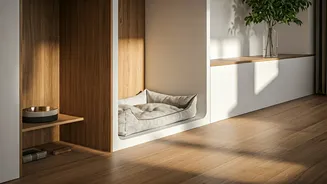
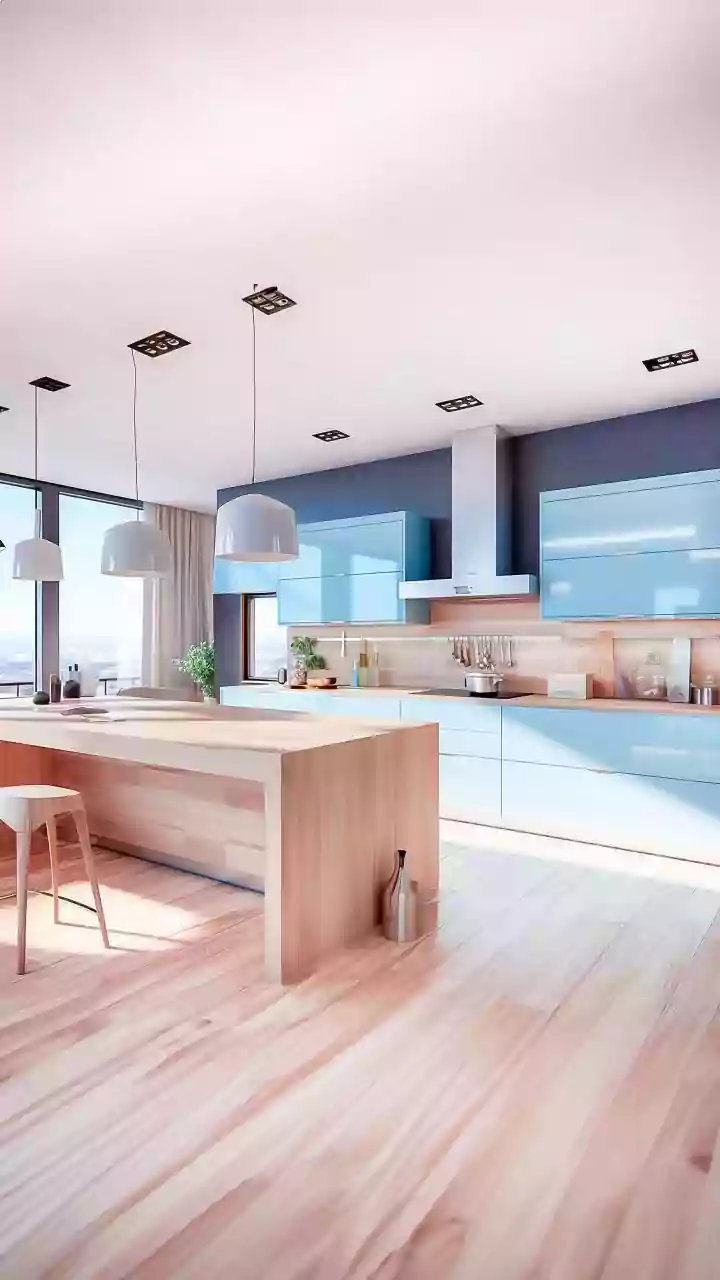
The key to modern pet-friendly design is integration. Instead of a standalone crate taking up floor space, designers are building them into custom cabinetry in the laundry room or under a stairwell, creating a cozy, den-like space. That ugly cat litter box? It’s now hidden inside a stylish side table or a custom bench with a discreet side entrance. Feeding stations are no longer a trip hazard of scattered bowls. Instead, they are recessed into the bottom of a kitchen island or built into a custom pull-out drawer, keeping them neat and out of the way. Cat trees are evolving from carpet-covered eyesores into sculptural, wall-mounted climbing shelves that double as modern art. These solutions prove that you don’t have to choose between a beautiful home and a happy pet—the two goals are now intertwined.
Function Meets Form: Smart Material Choices
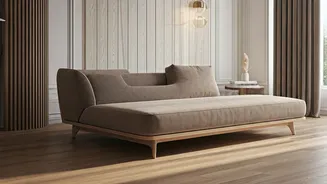
A huge part of this trend is the advancement and accessibility of high-performance materials. In the past, having pets often meant sacrificing light-colored sofas or plush rugs. Today, that compromise is unnecessary. Performance fabrics, like Sunbrella or Crypton, which were once relegated to outdoor furniture, are now available in a stunning array of velvets, linens, and weaves for indoor use. These fabrics are engineered to be liquid-repellent, stain-resistant, and durable enough to withstand claws and frequent cleaning. Similarly, flooring choices have expanded beyond cold, sterile tile. Luxury vinyl plank offers the warm look of hardwood but is waterproof and scratch-resistant, making it ideal for homes with pets. Even rugs are getting smarter, with washable options from brands like Ruggable allowing you to maintain a stylish look without the fear of a permanent stain from a muddy paw or an accident.