







The End of Predictable Seasons
For generations, travel planning followed a simple script. You booked a ski trip to Colorado for January, a beach getaway to Florida for April, or a European tour for July, all with a reasonable assurance of what the weather gods would deliver. Seasonal
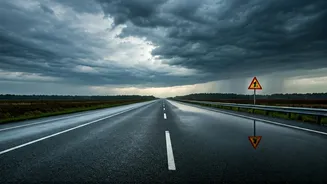
patterns were a reliable guide. That reliability, however, has been eroded by an increasingly volatile climate. Today, planning a vacation feels less like scheduling and more like gambling. Atmospheric rivers are causing record flooding in California during what used to be the dry season. Wildfire smoke from Canada is choking East Coast cities in early summer, turning skies an apocalyptic orange. Heat domes are making parts of the Southwest and Europe dangerously hot, even for locals. These aren't just isolated news events; they are the new, unpredictable variables that can derail a meticulously planned and expensive trip. This uncertainty has fundamentally changed our relationship with travel, forcing us to become amateur meteorologists just to protect our investment in time and money.
Your Phone Is the New Travel Agent
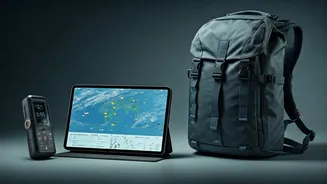
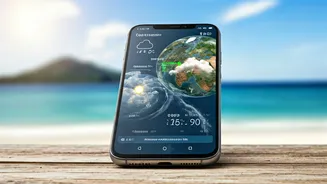
In this new landscape, the humble weather app has become the most powerful tool in a traveler's arsenal. It's no longer just about checking if you need to pack a light jacket. Sophisticated apps now provide a granular level of detail that directly informs travel decisions. We’ve moved beyond a simple 10-day forecast to hourly precipitation charts, air quality index (AQI) readings, UV index warnings, wind speed predictions, and even hyperlocal 'feels like' temperatures. Are you planning a trip to the Pacific Northwest? The AQI forecast might be more important than the temperature, determining whether you can actually hike or will be stuck indoors. Heading to the coast? Real-time wind and marine forecasts dictate whether your sailing or kayaking excursion is a go. This data-driven approach means we’re not just planning *where* to go, but *if* we can go, and what we can realistically do once we get there, often up to the last minute.
How to Build a Weather-Resilient Trip
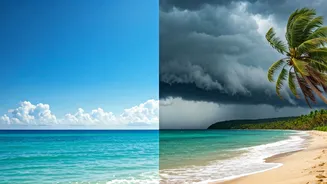
Giving up on vacations isn't the answer. Adapting is. Instead of fighting the uncertainty, savvy travelers are learning to build weather-resilient itineraries. This starts with a mental shift: accept that 'Plan A' might not happen. Always have a 'Plan B' you're genuinely excited about. If your beach vacation gets rained out, is there a great museum, a renowned cooking class, or a cozy local cinema nearby? This resilience extends to your bookings. The pandemic normalized flexible cancellation policies, and it’s a habit worth keeping. Opt for refundable flights and accommodations whenever possible, even if it costs a little extra. That surcharge is essentially insurance against a week of wildfire smoke or a tropical storm. Packing has also changed. The old advice to 'pack layers' has never been more relevant. A trip to a single destination might require clothes for a 30-degree temperature swing, from heatwave to unseasonable chill.
Choose Your Destination (and Your App) Wisely
The final piece of the puzzle is being strategic about where you go and what tools you use. Some travelers are now 'weather-hedging' by picking destinations with built-in variety. Instead of an isolated beach resort, they might choose a city near the coast that offers both sand and robust indoor culture. Think San Diego over a remote Caribbean island, or Lisbon over a tiny Greek isle. Equally important is choosing the right app. Not all are created equal. Look for apps that provide more than just temperature. Carrot Weather is beloved for its detailed data and snarky personality. The Weather Channel app offers excellent radar and alert functions. AirNow is a government-run, non-negotiable tool for checking air quality in the U.S. Learning to read these tools—understanding what an AQI of 150 means for your health, or how a 20 mph wind will affect your beach day—is the new travel literacy.