
First, What Is a Tiffin?
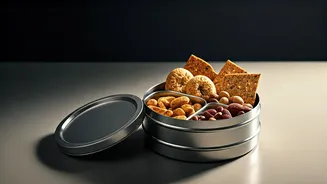
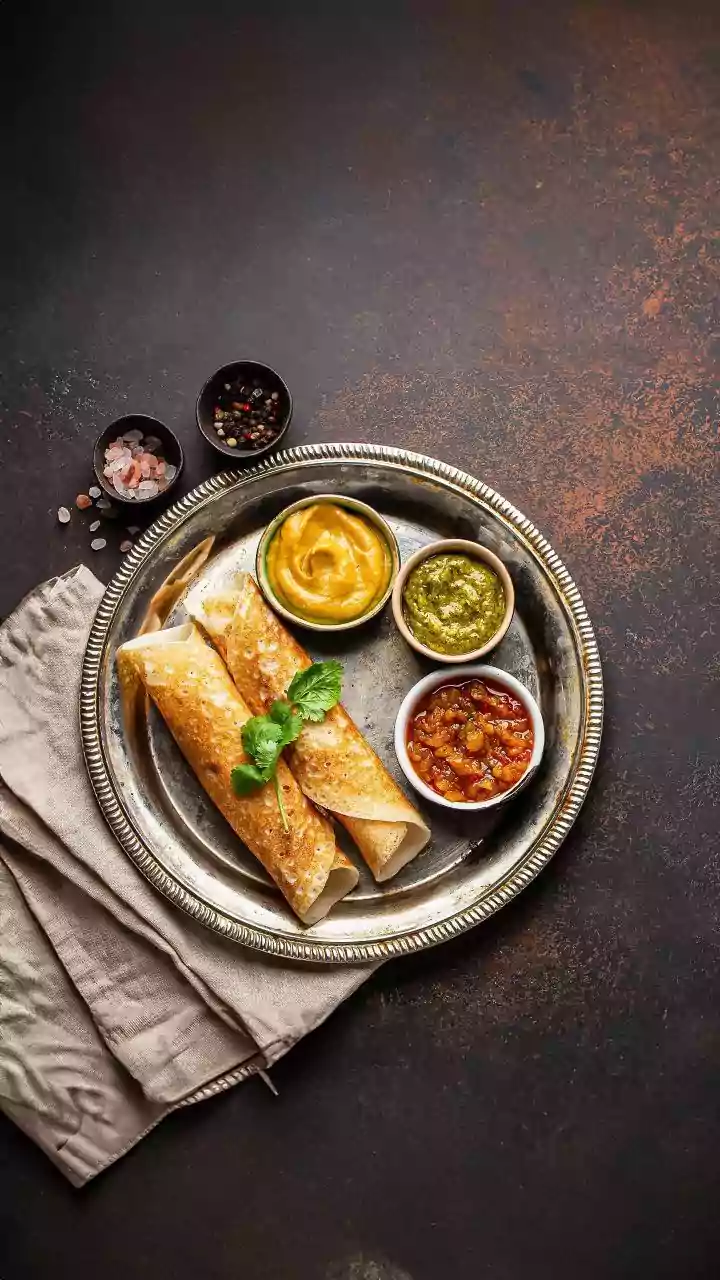
Before we get to the snacks, let’s talk about the tiffin. In India, the word refers to a light midday meal, but it’s most famously associated with the dabbawala system of Mumbai, where a vast network of couriers delivers hot, homemade lunches packed in stacked,
stainless steel containers—also called tiffins—to office workers across the city. The tiffin isn’t just a lunchbox; it’s a cultural icon, a symbol of a fresh, lovingly prepared meal that connects people to home, even in the middle of a hectic workday. The flavors found inside are the heart of this story: layered, aromatic, and deeply satisfying dishes that represent the diversity of Indian regional cooking.
The Tiffin Flavor Profile
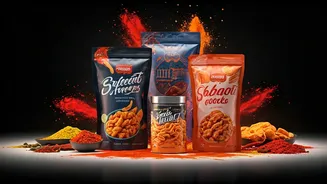
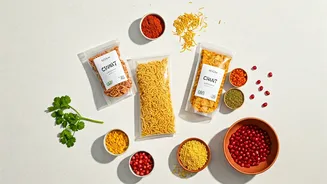
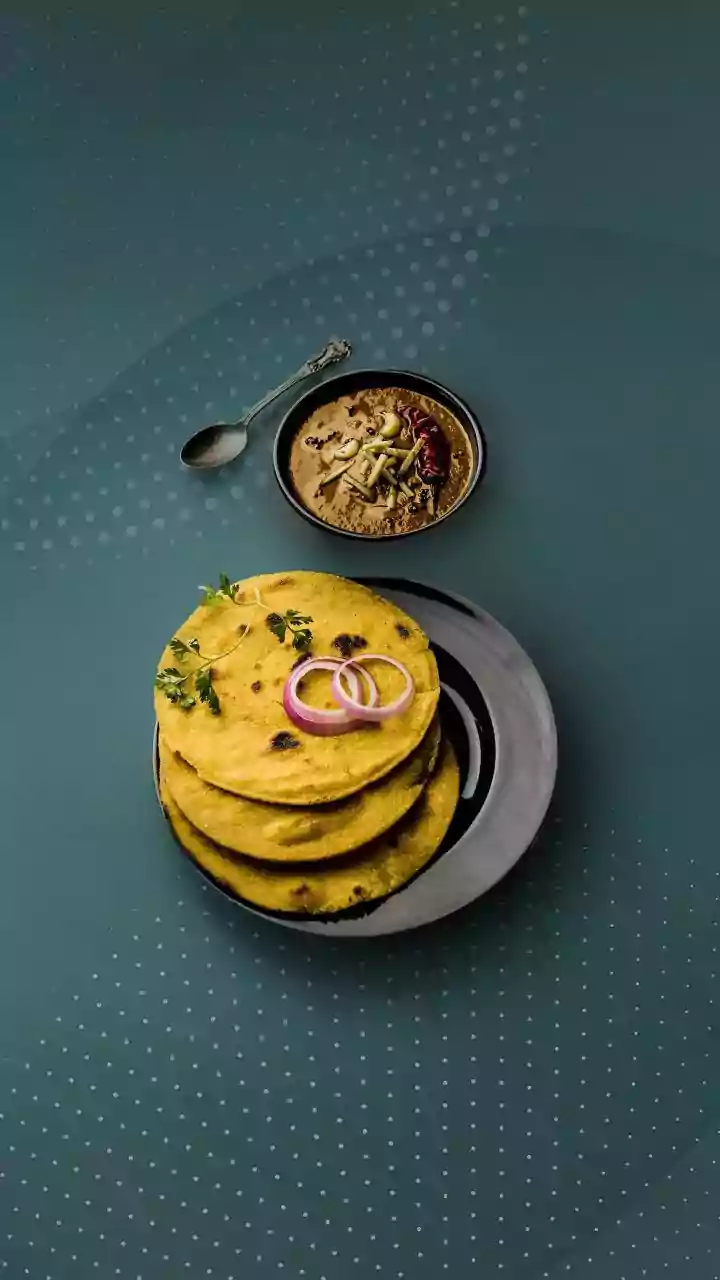
So, what does a tiffin taste like? It’s not one single flavor, but a vibrant palette. Forget the monolithic idea of “curry powder.” We’re talking about the tangy, funky, and savory punch of chaat masala, a spice blend that’s the secret weapon of Indian street food. Think about the earthy, golden warmth of turmeric, the citrusy notes of coriander, the smoky depth of cumin, and the sweet-and-sour complexity of tamarind. You might find lentils seasoned with ginger and garlic, potatoes spiced with mustard seeds, or vegetables cooked in a creamy, cardamom-infused sauce. These are not shy, retiring flavors; they are assertive, multi-dimensional, and designed to be exciting with every bite.
From Lunchbox to Chip Bag
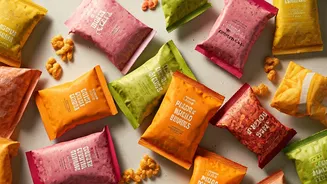
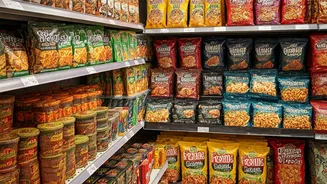
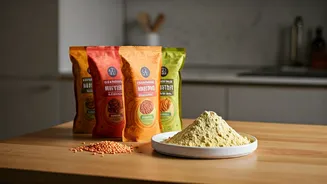
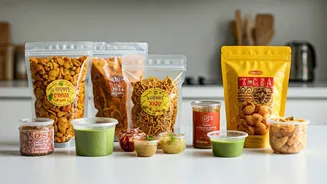
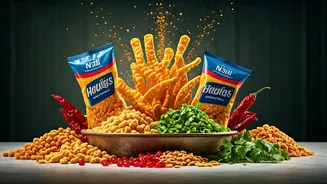
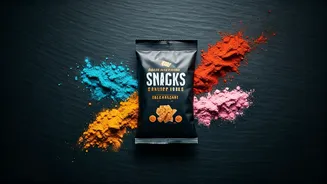
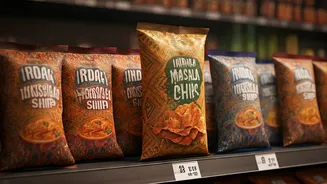
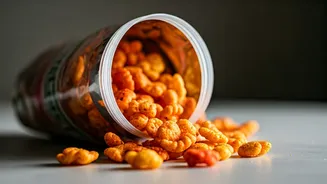
Now, food entrepreneurs are brilliantly translating that palette for the American snack aisle. This isn't just about sprinkling some spice on a potato chip; it’s about capturing the essence of a dish in a crunchy, convenient form. Brands are launching products that directly echo tiffin staples. You can now find lentil-based puffs dusted with tangy mango amchur powder, cassava chips flavored with turmeric and chili, and popcorn seasoned with the sweet-savory notes of jaggery (an unrefined cane sugar) and Himalayan pink salt. Companies like AshaPops, with their water lily seed snacks, or The Desi Strong, with its protein puffs, are leading the charge, making these once-niche flavors accessible to anyone with a craving for something new and exciting. It’s a move that honors the source while creating something entirely modern.
Why Is This Happening Now?
This snack-aisle evolution is no accident. Several cultural and demographic shifts are driving it. First, the growing and increasingly influential South Asian diaspora in the U.S. has created a built-in market for authentic flavors. Second- and third-generation immigrant entrepreneurs are now in a position to create the products they wished they had growing up. But the appeal is much broader. American palates, especially among younger Millennials and Gen Z, have become far more adventurous. After decades of exposure to global cuisines through restaurants, travel, and food media, consumers are actively seeking out bold, authentic, and interesting flavor profiles. The bland snacks of yesterday just don't cut it for a generation raised on sriracha, gochujang, and, now, chaat masala. These tiffin-inspired snacks hit the sweet spot: they’re new, they’re exciting, and they tell a story.