


Embrace Light and Brightness
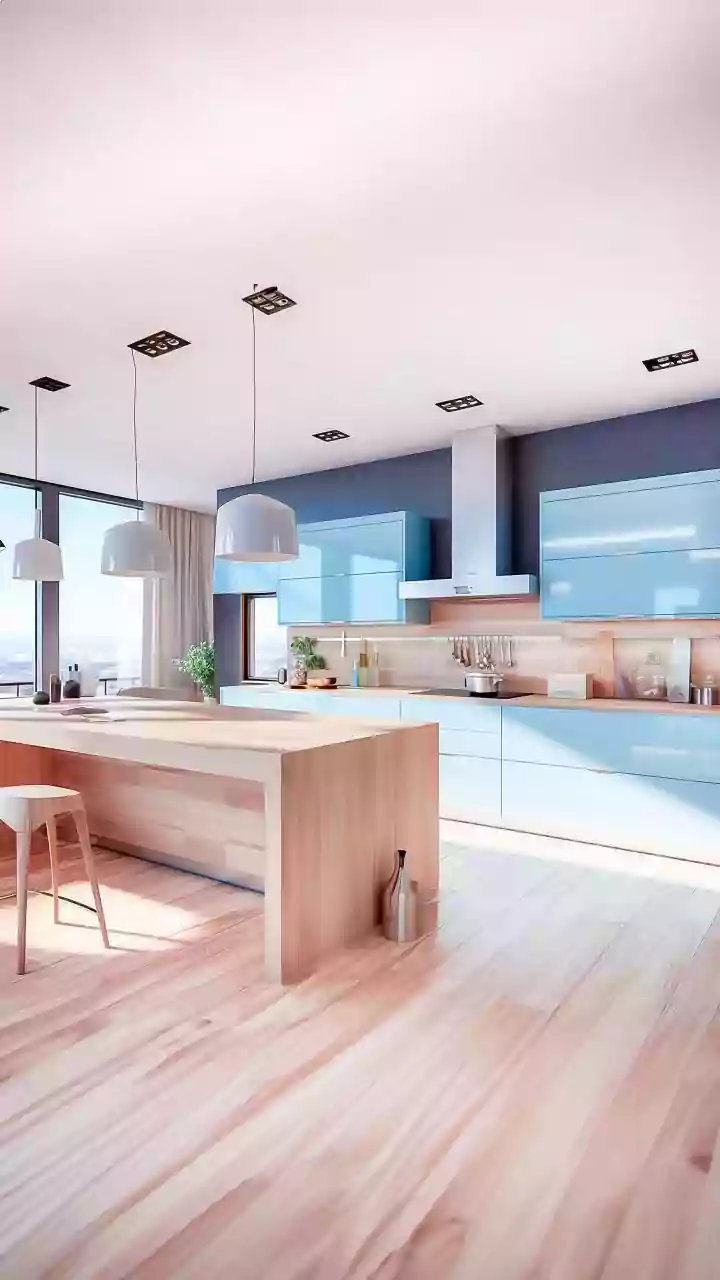
The single most effective way to open up a room is with light. Start by maximizing natural light: use sheer, light-colored curtains instead of heavy drapes, and keep windowsills clear. When the sun goes down, strategic artificial lighting takes over.
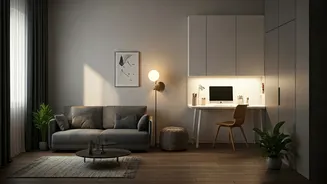
Instead of a single, harsh overhead fixture, layer your lighting. Use a combination of ambient light (like a ceiling fixture), task light (reading lamps), and accent light (to highlight art or a corner). This creates pockets of light that add depth and prevent the room from feeling like a box.
Use Mirrors Strategically
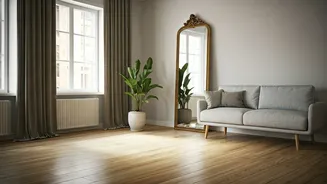
It’s a classic trick for a reason: mirrors create the illusion of depth. But placement is key. A large mirror placed opposite a window is a powerful move, as it reflects both light and the view, effectively creating a “second window.” You can also use a group of smaller mirrors to create a gallery wall effect or place a long, horizontal mirror behind a sofa or console table to make a narrow room feel wider. The goal is to reflect something you want to see more of, whether it's daylight, a beautiful light fixture, or the open space of an adjoining room.
Think Vertically
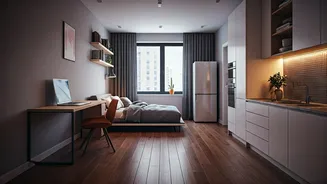
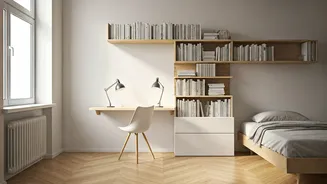
When you can't build out, build up. Drawing the eye upward creates a sense of height and volume. Use tall, narrow bookcases that go up to the ceiling rather than wide, short ones. Hang curtains higher and wider than the actual window frame; mounting the rod just a few inches below the ceiling and extending it past the window's edge makes the window seem much larger. Similarly, a single, large piece of vertical art can have more impact and create more of a sense of space than several small, scattered pieces.
Choose Furniture with Care
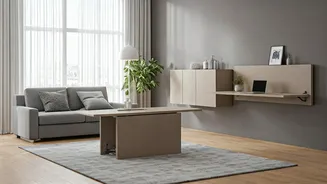
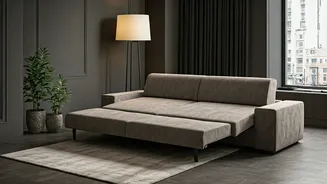
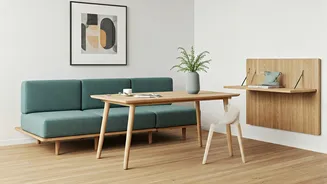
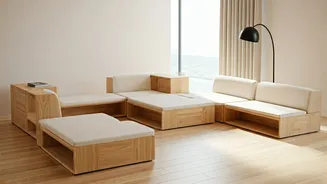
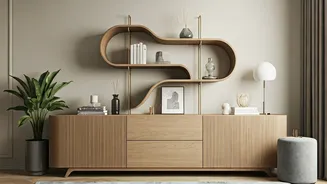
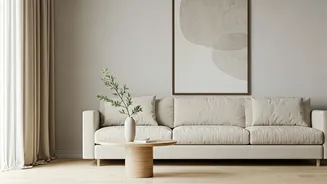
In a small space, every piece of furniture counts. Opt for pieces that are appropriately scaled for the room—a massive, overstuffed sectional can devour a small living room. Look for furniture with exposed legs, like a mid-century modern sofa or console table. When you can see the floor underneath, the room feels more open and airy. Multi-functional furniture is your best friend: an ottoman with hidden storage, a coffee table that lifts to become a dining surface, or a daybed that serves as both sofa and guest bed. These pieces work harder without adding clutter.
Unify with a Cohesive Color Palette
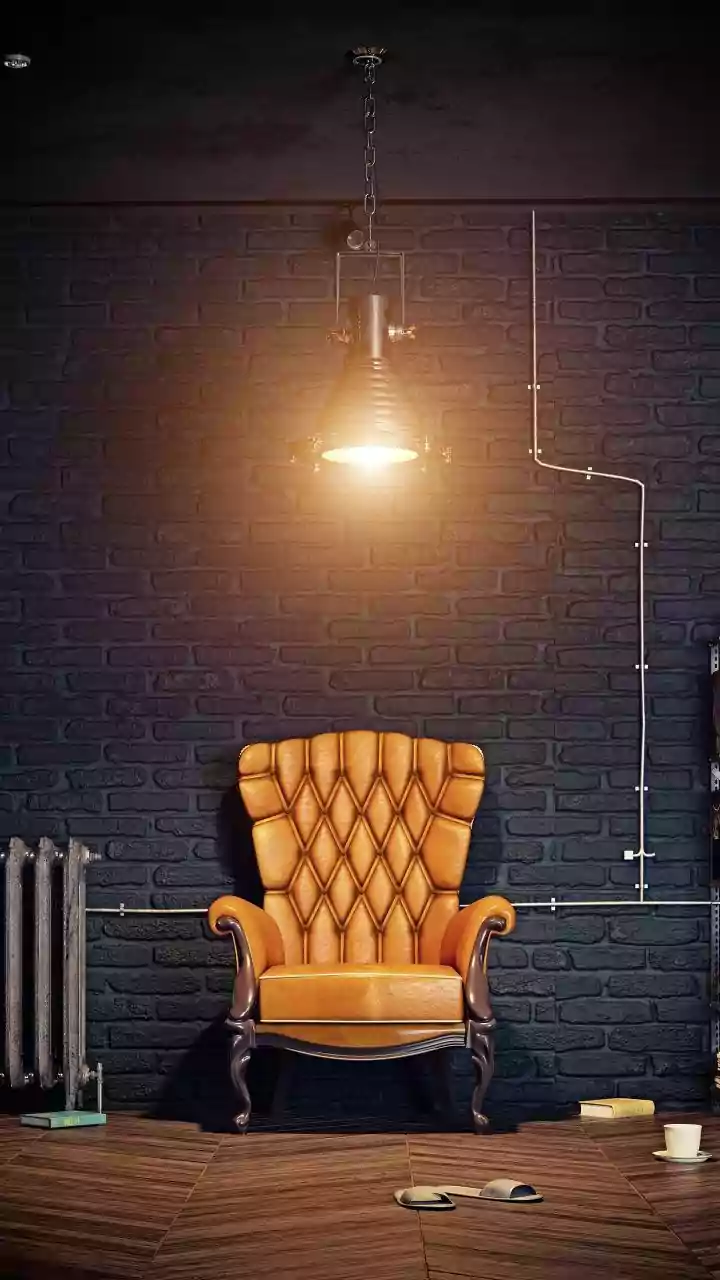
A chaotic color scheme can make a space feel cluttered and small. Instead, stick to a limited, cohesive palette. Lighter colors like white, cream, and soft grays are famously effective because they reflect light and make walls recede. But this doesn't mean you have to live in a white box. You can use darker colors, but do so thoughtfully. A dark accent wall can create a sense of depth, and using the same color on the walls, trim, and even the ceiling can blur the boundaries of the room, making it feel larger. The key is continuity, which allows the eye to travel smoothly without jarring stops.
Master the Art of Decluttering
No design trick can overcome the space-shrinking effect of clutter. A small home demands thoughtful organization. The first step is to edit your belongings—keep only what you truly need, use, and love. For everything else, find a home. Use attractive baskets and bins to conceal everyday items. Employ drawer dividers to keep things tidy. A clear floor and clear surfaces are the foundation of a spacious-feeling home. Adopt a “one in, one out” policy to prevent accumulation and remember that empty space—or “negative space”—is a crucial design element in its own right.