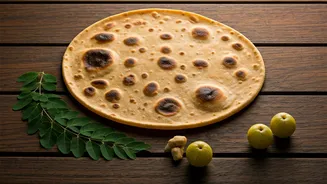






Meet Your New Pantry Staples: Moringa and Amla
Before we get to the dough, let’s get acquainted with these two ingredients. You’ve likely seen them trending in the wellness world, but both moringa and amla have deep roots in traditional medicine, particularly Ayurveda. Moringa, often called the “drumstick
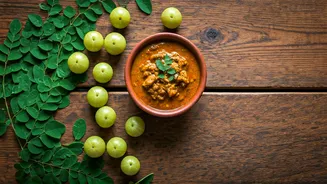
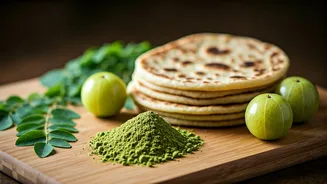
tree,” is celebrated for its nutrient-dense leaves. Packed with vitamins A and C, calcium, potassium, and protein, its powder has a mild, earthy, spinach-like flavor. It’s a nutritional multi-tool, known for its antioxidant and anti-inflammatory properties. Amla, or Indian gooseberry, is a small, tart fruit that is one of the richest known natural sources of vitamin C—far surpassing oranges. In its powdered form, it has a tangy, slightly sour taste. Amla is revered for its immune-boosting capabilities and its role in promoting healthy skin and hair.
Why Add Them to Your Roti Dough?
The genius of this method lies in its simplicity. You’re not adding another dish to your meal prep or trying to remember to take a supplement. Instead, you’re weaving powerful nutrients directly into a food you already eat regularly. For busy families or picky eaters, this is a game-changer. A child who might push away a side of greens won't even notice the subtle addition of moringa powder in their favorite flatbread. Adding amla provides a significant, food-based vitamin C boost to support your immune system, especially during cold and flu season. Moringa adds a broad spectrum of vitamins and minerals that can help fill nutritional gaps in your diet. It's a seamless upgrade that works behind the scenes to make your meals healthier without any extra fuss.
The Foolproof Method for Superfood Rotis
Ready to get started? The key is moderation and proper mixing. You want to enhance, not overpower. For this guide, we’ll assume you’re starting with about 2 cups of whole wheat flour (atta), which typically makes 8-10 rotis. 1. **Start with Dry Ingredients:** In your mixing bowl, combine your 2 cups of flour with the superfood powders *before* adding any water. This is the most important step for ensuring an even distribution and avoiding green or brown clumps in your final dough. 2. **Get the Ratios Right:** For a gentle introduction, start with **1 tablespoon of moringa powder** and **1 teaspoon of amla powder** per 2 cups of flour. Moringa has a more prominent flavor and color, while amla’s tartness can be strong if overused. Once you’re used to the taste, you can slowly increase to your preference. 3. **Knead as Usual:** After whisking the powders and flour together, add water gradually and knead the dough just as you normally would. You may notice the dough has a slight green tint from the moringa. Knead until it’s smooth and pliable, then let it rest for 15-20 minutes. 4. **Cook and Enjoy:** Roll out and cook your rotis on a tawa (griddle) as you always do. The powders don’t significantly change the cooking process, though you might find the rotis are slightly less puffy initially. Serve hot with a dab of ghee, which complements the earthy flavors perfectly.
Tips for Taste, Texture, and Sourcing
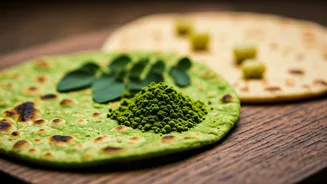
Worried about the taste? Don’t be. When used in the right proportions, the flavors are quite subtle. Moringa gives the roti a faint, pleasant earthiness that pairs well with savory dals and vegetable curries. Amla adds a barely-there tang that brightens the overall flavor, much like a squeeze of lemon. The biggest change you’ll notice is the color—moringa will give your rotis a lovely, pale green hue. To ensure the best results, use high-quality organic powders. You can find both moringa and amla powder online, at most health food stores, or in any well-stocked Indian grocery store. Look for products that are finely ground to ensure they mix seamlessly into the flour. And remember, you can apply this same principle to other breads, like parathas (stuffed flatbreads) or even pizza dough, for a hidden health boost.