





Meet the New Indian Traveler
For decades, the stereotype of the Indian traveler was often a large family on a pilgrimage or a budget-conscious group on a whirlwind bus tour. That picture is rapidly becoming outdated. The new force in Indian tourism is young, urban, digitally savvy,
and increasingly wealthy. We're talking about a combined Millennial and Gen Z population of over 600 million people—a demographic force unlike any other on the planet. This isn't just a numbers game; it's a mindset shift. Raised on Instagram, global streaming services, and a constant feed of world news, this generation is more globally connected and environmentally aware than any before it. As their disposable incomes rise, travel has become a key marker of identity and aspiration. But unlike the generations before them, their travel goals aren't just about ticking off landmarks. They're seeking authentic experiences, and for a growing number, authenticity is inseparable from sustainability.
From Crowded Peaks to Conscious Choices
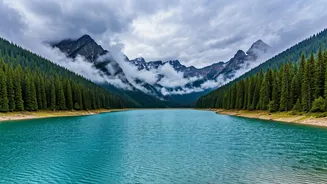
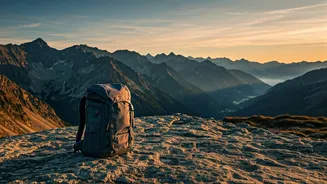
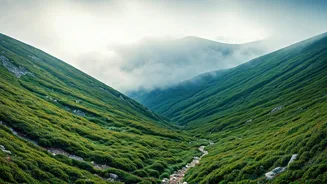
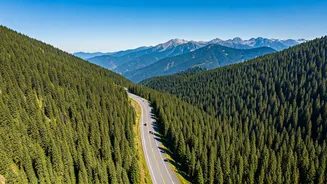
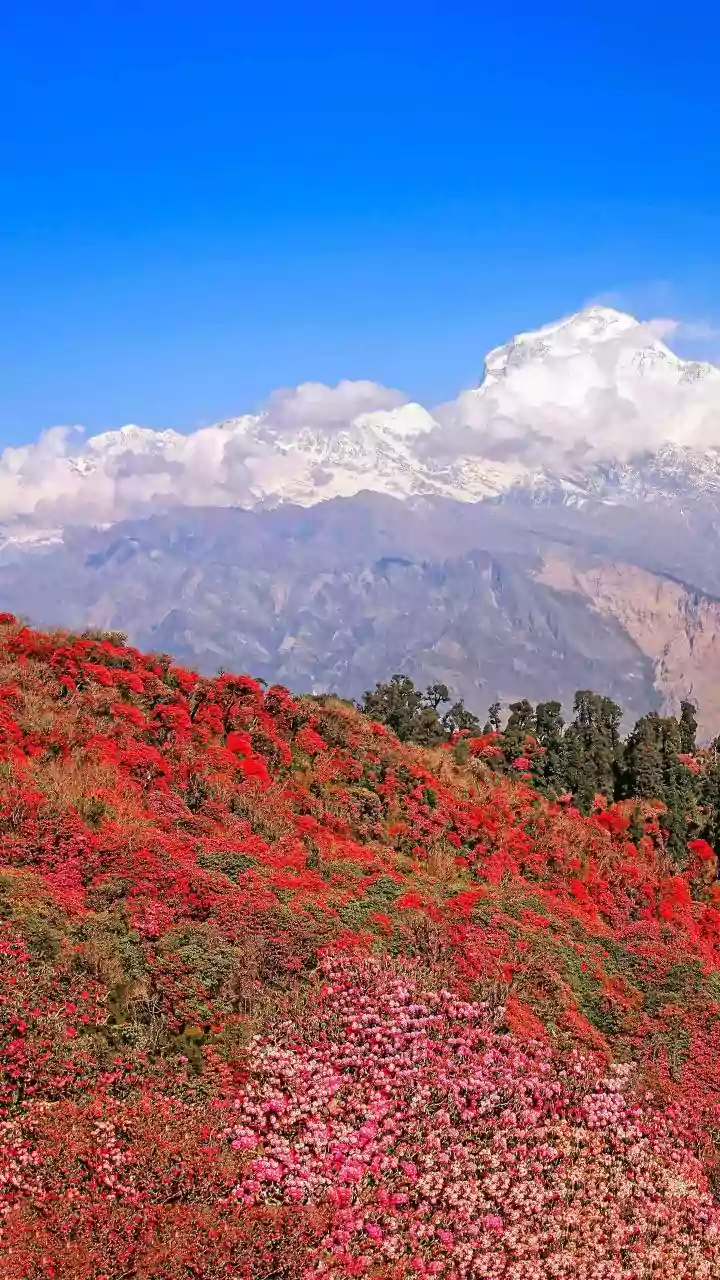
So what does “cleaner tourism” actually mean in the Indian context? It’s more than just carbon offsets and reusable water bottles. It’s a direct response to the visible strains of over-tourism in their own backyard. Young Indians have seen the viral photos of traffic jams on the way to Himalayan hill stations like Manali and the mountains of plastic waste left on trekking routes. They’ve scrolled past stories of Goa’s beaches choked with garbage after a long weekend. In response, they are redefining the ideal vacation. Instead of flocking to the same five overcrowded destinations, they are actively seeking out lesser-known locales, or “hidden gems.” They are choosing homestays and eco-lodges over large, impersonal resorts, prioritizing businesses that support local communities and economies. This shift is fueling a boom in agritourism, community-based tourism, and wellness retreats in serene, natural settings. The goal is no longer just to 'see' a place, but to experience it without degrading it, a sentiment that recent travel industry surveys have confirmed, with an overwhelming majority of young Indian travelers stating a desire to travel more sustainably.
A Mix of Conscience and Crisis
This isn't just about altruism; it's a pragmatic reaction to a lived reality. For many young people in India’s bustling megacities, grappling with some of the world's worst air pollution is a daily struggle. The desire to escape to pristine, unpolluted nature is a powerful motivator. This personal connection to environmental degradation makes the concept of “clean travel” less of an abstract ideal and more of an urgent necessity. Social media also plays a dual role. While it can popularize and inadvertently ruin pristine spots, it's also a powerful tool for education and accountability. A hotel with poor waste management or a tour operator that disregards local ecology can be called out instantly to an audience of millions. Influencers who once showcased luxury consumption are now pivoting to highlight responsible travel, promoting everything from wildlife conservation projects to zero-waste trekking. This digital peer pressure creates a powerful incentive for both travelers and businesses to adopt better practices.
The Ripple Effect on a Giant Industry
When a demographic this large changes its spending habits, industries don't just listen—they transform. The Indian travel and hospitality sector is scrambling to adapt. Major online travel agencies like MakeMyTrip are beginning to highlight sustainable properties. New startups are emerging, focused entirely on curating eco-conscious trips. Luxury hotel chains are loudly broadcasting their green credentials, from water recycling programs to locally sourced restaurant menus. This consumer-led pressure is creating a virtuous cycle. As more travelers demand sustainable options, more businesses are forced to provide them. This, in turn, makes it easier for the next wave of travelers to make responsible choices. For a country with some of the world's most breathtaking and fragile ecosystems—from the Himalayas to the Western Ghats and the Andaman Islands—this youth-led movement is not just a trend. It could be the very thing that saves its greatest natural treasures for generations to come.